The integration of agroforestry systems into modern farming practices offers a pathway toward more resilient, sustainable, and productive landscapes. By combining trees with crops and/or livestock in diversified arrangements, agroforestry supports enhanced biodiversity, improved soil fertility, and increased carbon sequestration. Drawing from global examples and on-the-ground research, this article explores the role of agroforestry in climate-smart agriculture, outlines practical tips for adoption, and highlights strategies for long-term success.
Importance of Agroforestry in Climate-Smart Agriculture
Agroforestry systems have emerged as a cornerstone of sustainability and resilience in agricultural landscapes. By integrating trees and shrubs with crops and/or livestock, producers can harness multiple ecosystem services, including microclimate regulation, nutrient cycling, and pest suppression. The synergy between woody perennials and annual species boosts overall system productivity while mitigating the impacts of extreme weather events.
Enhancing Soil Fertility and Structure
Roots of trees and shrubs penetrate deep soil layers, mobilizing nutrients and improving water management. Leaf litter and prunings contribute organic matter, building soil structure and increasing water-holding capacity. Over time, these improvements lead to greater crop yields and reduced need for external inputs, such as synthetic fertilizers.
Carbon Sequestration and Climate Mitigation
Trees in agroforestry systems capture and store significant amounts of carbon, both above and below ground. These living carbon sinks help offset greenhouse gas emissions from agriculture and represent a nature-based solution to the global climate crisis. Long-lived species can sequester carbon for decades, contributing to national and regional climate resilience targets.
Promoting Biodiversity and Ecosystem Services
Interwoven canopies and understory layers create habitats for pollinators, natural enemies of pests, and other wildlife. Increased biological diversity enhances pollination services and natural pest control, reducing the reliance on chemical pesticides. Furthermore, diverse systems are more stable and adaptable to environmental stresses, including drought and floods.
Agroforestry Techniques and Practical Tips
Adopting agroforestry involves selecting the right tree-crop-livestock combinations, spacing patterns, and management routines. The following techniques have been tested by farmers worldwide:
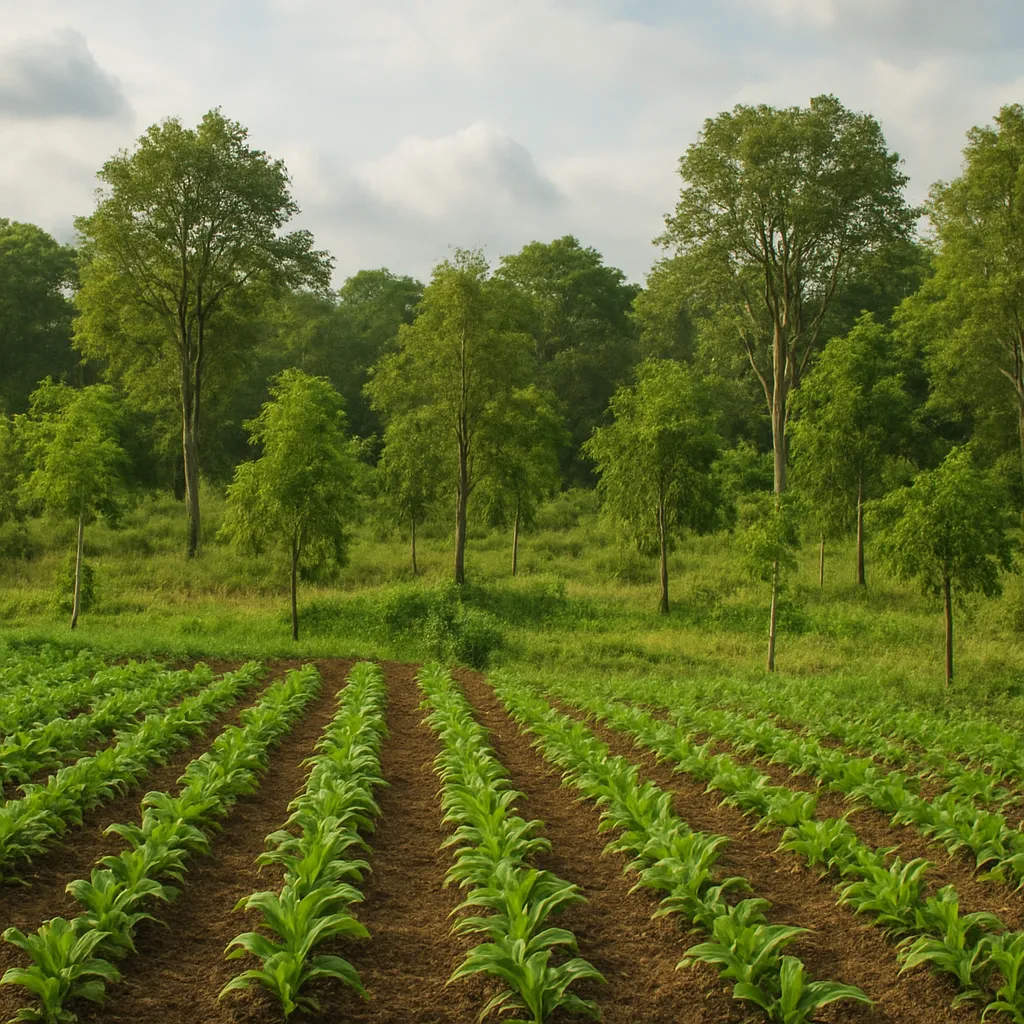
- Alley Cropping: Planting rows of trees with alleys of crops in between. Use fast-growing, nitrogen-fixing trees to supply nutrients.
- Silvopasture: Integrating trees with pasture for livestock grazing. Provide shade, forage, and improved animal welfare.
- Windbreaks and Shelterbelts: Strategically placed tree lines to reduce wind speed, limit erosion, and protect crops.
- Forest Farming: Cultivating shade-tolerant crops (e.g., mushrooms, coffee) under a managed tree canopy.
- Multistrata Systems: Layering trees of different heights to mimic natural forest structure and maximize light use.
Site Assessment and Species Selection
Successful implementation starts with a thorough assessment of soil type, rainfall patterns, and topography. Choose tree and shrub species adapted to local conditions, with complementary root depths and growth rates. Prioritize native species where possible to support local wildlife and reduce maintenance demands.
Spacing and Pruning Guidelines
Proper spacing ensures that crops receive adequate sunlight and are not outcompeted by trees. Typical alley widths range from 6 to 12 meters, depending on machinery access and crop height. Regular pruning of trees maintains light penetration, fosters biomass production for mulch or fodder, and reduces competition for water during dry spells.
Soil and Nutrient Management
Implement organic mulch and compost applications around tree bases to conserve moisture and build soil organic matter. Use nitrogen-fixing species, like Leucaena or Gliricidia, to supply additional nutrients. Periodic soil testing allows for targeted nutrient interventions, ensuring balanced fertility and healthy root development.
Implementing Climate-Smart Practices in Agroforestry
Climate-smart agriculture aims to sustainably increase productivity, enhance resilience, and reduce greenhouse gas emissions. Agroforestry aligns with these goals by integrating ecosystem-based approaches into farm design and management:
Water Management and Conservation
Agroforestry systems improve infiltration and reduce runoff through layered vegetation cover. Incorporate contour planting and swales to capture rainfall, recharge groundwater, and prevent erosion. Mulches and living groundcovers help maintain soil moisture during dry seasons.
Risk Management and Diversification
By growing multiple species, farmers spread risk—poor performance of one crop may be offset by success in another. Trees provide continuous benefits, even when annual crops fail due to drought or pest outbreaks. Financial resilience is strengthened through diversified income streams, such as fruit, timber, fodder, and non-timber forest products.
Community Engagement and Knowledge Exchange
Successful adoption often depends on farmer-to-farmer learning and local extension services. Establish demonstration plots, field days, and participatory research trials to showcase best practices. Engage local cooperatives and NGOs to facilitate training on tree nursery management, grafting techniques, and value chain development for agroforestry products.
Monitoring and Evaluation
Track key indicators, such as soil organic carbon, water usage, crop yields, and tree growth. Citizen science platforms and mobile applications can simplify data collection. Periodic evaluations help refine management practices and demonstrate impacts to funders and policymakers.
Challenges and Future Perspectives
While agroforestry presents clear benefits, widespread adoption faces hurdles, including land tenure insecurity, limited access to seedlings, and short-term profit pressures. Policy frameworks must encourage long-term investments in trees and multispecies systems, offering incentives such as payments for ecosystem services or carbon credits.
Research into high-performing tree-crop combinations, mechanization adapted to complex systems, and market development for agroforestry products will accelerate uptake. Collaborative partnerships among governments, research institutions, and farmers can drive innovation, ensuring that agroforestry remains a vital pillar of climate-smart agriculture for generations to come.