Ensuring the well-being of farm animals hinges significantly on the quality of their living spaces. Proper livestock housing not only enhances productivity but also safeguards animal welfare and protects the surrounding environment. In this article, we explore practical strategies and expert tips designed to optimize agricultural operations, focusing on key aspects such as design, ventilation, nutrition, biosecurity, and sustainable practices.
Housing Design and Infrastructure
Effective housing begins with a robust foundation and thoughtful layout. From site preparation to final assembly, each step contributes to a safer, more efficient farm.
Site Selection and Orientation
- Choose elevated terrain to avoid waterlogging and reduce biosecurity risks associated with pooled water.
- Orient buildings to capitalize on natural light while minimizing direct sun exposure during summer months, thus enhancing welfare and reducing heat stress.
- Maintain appropriate distance between different livestock units to prevent disease transmission and ensure easy access for machinery and staff.
Structural Materials and Layout
Durable materials and efficient layouts form the backbone of any livestock building:
- Infrastructure should feature corrosion-resistant metals and pressure-treated wood to withstand harsh farm environments.
- Concrete floors with non-slip finishes improve hoof health and simplify cleaning routines.
- Modular pen designs allow for flexible grouping, facilitating rotational grazing and easier herd management.
Space Allowance and Flooring
Proper spacing reduces competition, aggression, and injury among animals:
- Cattle typically require around 1.5 square meters per head in resting areas; pigs thrive in groups of 6–10 with at least 0.65 square meters each.
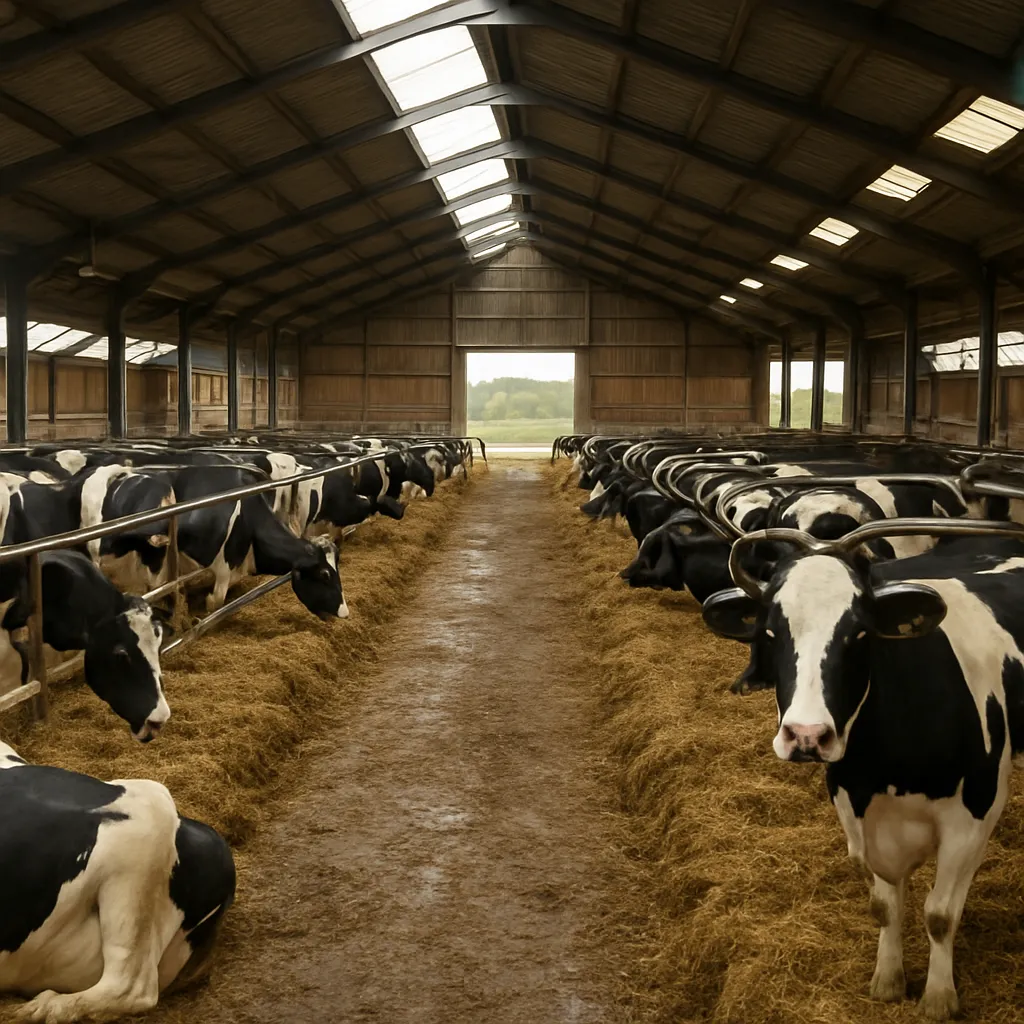
- Use slatted or deep-litter flooring according to species needs—slatted floors ease manure removal, while deep-bedded systems offer enhanced comfort for ruminants.
- Regular maintenance of flooring surfaces prevents accumulation of waste, curbing pathogen growth and odor issues.
Climate Control and Ventilation
Maintaining optimal air quality and temperature is crucial for health, feed conversion rates, and productivity. Poor ventilation can lead to respiratory diseases and heat stress, undermining entire herds.
Natural vs. Mechanical Ventilation
- Natural ventilation employs ridge vents, sidewall openings, and adjustable louvers—cost-effective for moderate climates.
- Mechanical systems use fans, baffles, and inlets to ensure consistent airflow, essential in high-density or extreme-environment operations.
- Implement sensors to monitor temperature, humidity, and gas levels (e.g., ammonia), triggering automatic adjustments.
Insulation and Temperature Regulation
Proper insulation stabilizes indoor temperatures, reducing heating and cooling costs:
- Insulate roofs and walls with materials that resist moisture and mold, such as closed-cell spray foam or insulated panels.
- In hot climates, reflective roof coatings and evaporative cooling pads help maintain safe conditions for heat-sensitive species.
- For cold regions, underfloor heating systems and heat exchangers can prevent livestock from experiencing chilling stress.
Managing Humidity and Air Quality
High humidity fosters bacteria and virus proliferation, while dust and gas buildup harm respiratory tracts:
- Maintain relative humidity between 50–60% for most livestock, using misting systems or dehumidifiers as needed.
- Install air washers or scrubbers in intensive pig and poultry houses to remove dust and ammonia.
- Routine inspections of ventilation equipment and filters ensure peak performance and animal comfort.
Feed and Nutrition Management
Optimal nutrition underpins growth, reproduction, and immunity. A tailored feeding program reduces waste, lowers costs, and improves overall productivity.
Balanced Rations and Feed Formulation
- Work with a certified nutritionist to formulate rations based on sex, age, weight, and physiological stage.
- Include high-quality proteins, essential nutrients, and mineral supplements to meet daily requirements.
- Regularly test feed ingredients for nutrient content and contaminant levels (e.g., mycotoxins).
Feed Delivery Systems
Efficient distribution methods minimize labor and prevent feed spoilage:
- Automatic feeders and silos can dispense precise quantities at set intervals, reducing competition among animals.
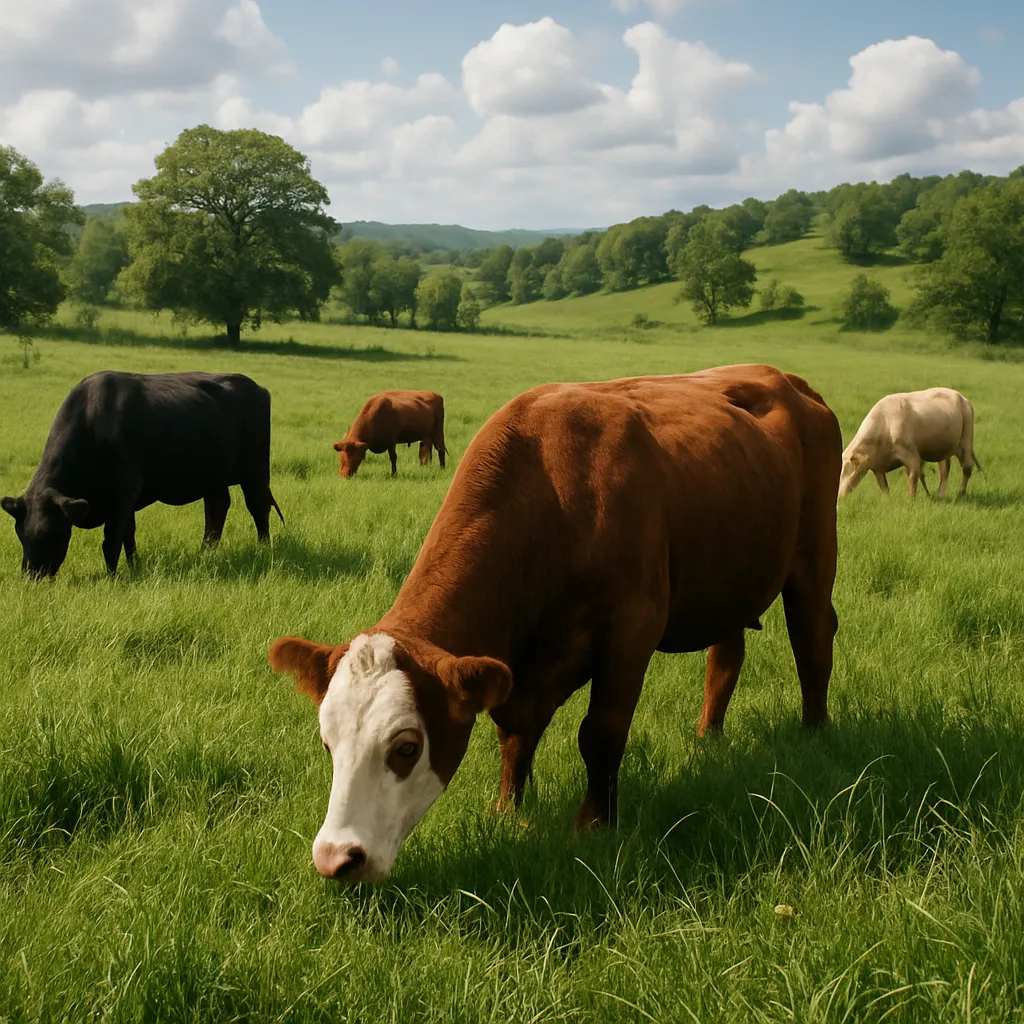
- For pasture-based systems, rotate grazing areas to maintain forage quality and control parasitic loads.
- Clean water supply—accessible at all times—supports digestion and nutrient absorption.
Monitoring and Record-Keeping
Data-driven decisions enhance profitability and herd health:
- Track feed intake, weight gain, and feed conversion ratios to identify inefficiencies.
- Use digital scales and RFID tags to monitor individual animal performance.
- Document feed costs, supplier changes, and health incidents to refine future strategies.
Biosecurity and Health Practices
Preventing disease outbreaks is a cornerstone of responsible livestock management. Strong biosecurity protocols protect both animal and human health.
Quarantine and Isolation Protocols
- Designate separate quarantine facilities for new or returning animals, lasting at least 21 days.
- Establish clear traffic flows with sanitization stations for staff and equipment.
- Apply color-coded clothing or footwear to prevent cross-contamination between units.
Vaccination and Veterinary Care
Proactive health measures reduce mortality and treatment costs:
- Develop a vaccination schedule in consultation with a veterinarian, tailored to regional disease threats.
- Perform regular health checks and maintain detailed medical records.
- Implement parasite control programs, including rotational deworming and pasture management.
Manure Management and Waste Disposal
Efficient waste handling mitigates pollution and supports sustainability goals:
- Store manure in covered, impermeable pits to prevent nutrient runoff into waterways.
- Compost bedding and manure to produce pathogen-free fertilizer for crop production.
- Integrate anaerobic digesters to capture biogas, supplying renewable energy back to the farm.
Sustainable Practices and Environmental Impact
Modern agriculture must balance production goals with environmental stewardship. Integrating sustainable methods boosts long-term resilience.
Renewable Energy Integration
- Solar panels on barn roofs generate electricity for lighting, heating, and ventilation systems.
- Wind turbines sited on open farmland can supplement energy needs during peak seasons.
- Biogas plants convert manure into methane, reducing greenhouse gas emissions and waste.
Water Conservation Techniques
Efficient water use safeguards resources in drought-prone areas:
- Install rainwater harvesting roofs and storage tanks for livestock watering and cleaning.
- Use low-flow drinking nipples and automatic waterers to curtail wastage.
- Recycle wash-down water through sedimentation and filtration systems for reuse.
Agroecological Approaches
Enhancing biodiversity and ecosystem services fortifies agricultural systems:
- Implement agroforestry and silvopasture to provide shade, forage diversity, and habitat for wildlife.
- Practice cover cropping and rotational grazing to improve soil structure and nutrient cycling.
- Encourage beneficial insects through hedgerows and buffer strips, supporting natural pest control.