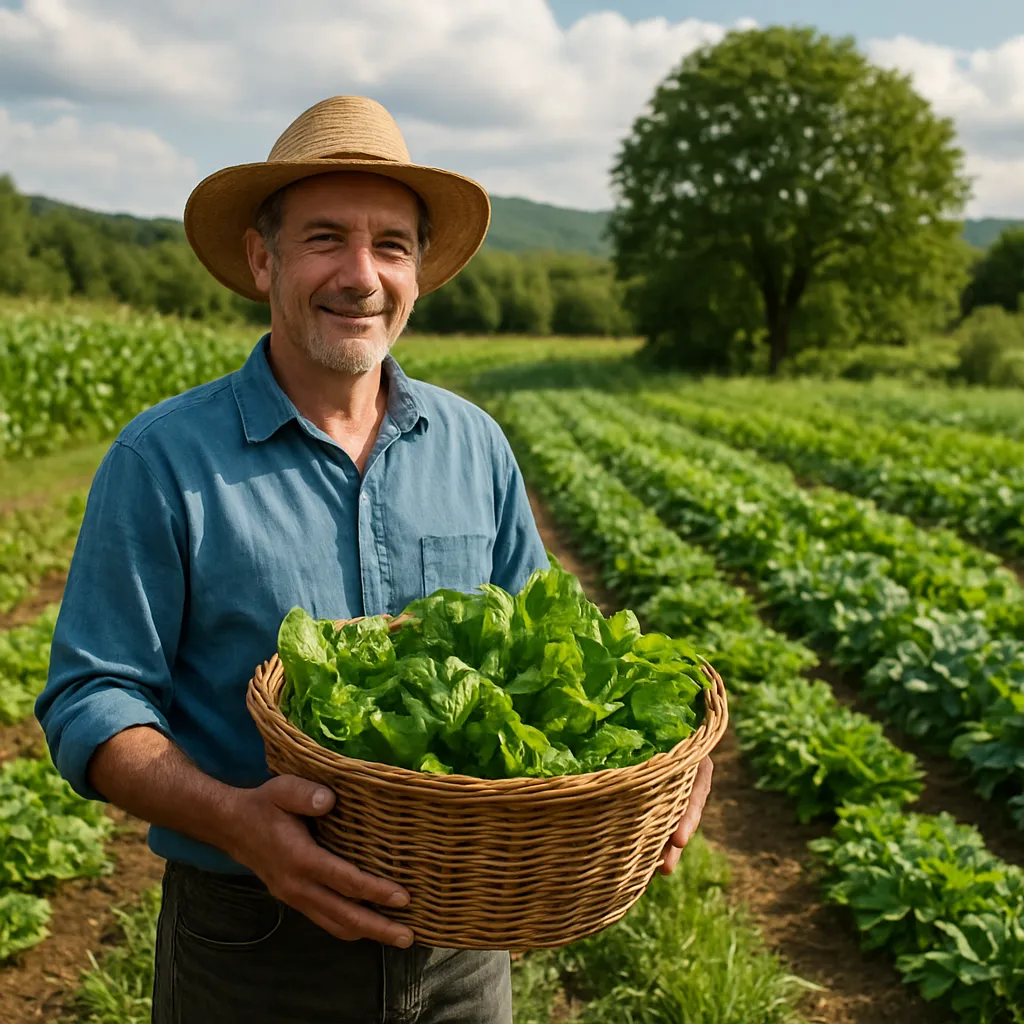
Agroecology is reshaping modern agriculture by blending age-old wisdom with cutting-edge approaches. By viewing farms as dynamic living systems, farmers can enhance productivity while safeguarding natural resources. The following sections explore the foundational principles, practical recommendations, and tangible advantages of agroecology for those who work the land and the planet they cherish.
Principles of Agroecology
At its core, agroecology draws on an ecosystem perspective, recognizing that every element—from microbes in the soil to pollinators in the air—plays a role. Farmers adopt a holistic approach, weaving together ecological, social, and economic dimensions to build sustainable food systems.
1. Diversification
Crop diversity reduces the risk of pest outbreaks and strengthens resilience. Intercropping, agroforestry, and rotating cereals with legumes maintain soil structure and unlock natural nutrient cycles.
2. Synergies
By combining animals, plants, and beneficial insects, producers foster positive interactions. For example, integrating poultry into orchards can limit weeds while supplying manure that enhances fertility.
3. Resource Recycling
Agroecological systems prioritize on-farm inputs. Composting crop residues, reusing greywater, and capturing rainwater reduce dependency on external fertilizers and irrigation, improving soil health and lowering production costs.
4. Enhanced Biodiversity
Field margins planted with native flowers or hedgerows support pollinators, birds, and predatory insects. This practice boosts biodiversity and reinforces natural pest suppression, ultimately improving yields.
Practical Tips for Farmers
- Conduct regular soil tests to monitor pH, organic matter, and nutrient levels. Adjust amendments based on test results to optimize plant growth.
- Implement cover crops such as clover, vetch, or rye to protect bare soils, suppress weeds, and add green manure when tilled.
- Practice minimal tillage or no-till methods to maintain soil structure, preserve microbial communities, and reduce erosion.
- Introduce beneficial insects by planting companion species like marigolds and basil. These act as trap crops or attract predatory ladybugs and lacewings.
- Set up simple rainwater harvesting systems—barrels or tanks—to capture runoff and irrigate during dry spells.
- Diversify planting dates and varieties to spread harvests over time, manage labor demands, and reduce market risk.
- Use on-farm compost piles: mix crop residues, manure, and kitchen scraps in layers, turning weekly to accelerate decomposition.
- Rotate livestock through different paddocks, allowing pastures to recover and preventing overgrazing.
- Install windbreaks or shelterbelts of shrubs and trees to moderate microclimates, conserve moisture, and shield against excessive wind.
- Collaborate with local researchers and extension agents to trial innovative seeds, biofertilizers, or pest management strategies.
Environmental and Economic Benefits
Embracing agroecology yields dividends that extend beyond the farm gate. By harmonizing cultivation with natural processes, producers deliver healthier food, improve their bottom line, and advocate for global well-being.
Climate Mitigation and Adaptation
Healthy soils sequester carbon, mitigating greenhouse gases. Agroecological practices also build resilience to extreme weather events, buffering crops against droughts and floods.
Enhanced Ecosystem Services
Beyond pollination and pest control, ecosystem functions include water purification, nutrient cycling, and erosion prevention. Strong partnerships between soil organisms and plant roots contribute to a balanced ecosystem.
Improved Soil Health
Regular organic amendments and cover cropping increase organic carbon content. Such soils retain moisture, reduce runoff, and support beneficial microbial communities.
Economic Viability
Reduced reliance on synthetic inputs lowers costs. At the same time, diversified production and value-added products—like artisan cheeses or organic vegetables—can command premium prices. Local markets and direct-to-consumer sales further strengthen farm productivity and incomes.
Challenges and Future Outlook
Despite its promise, agroecology faces hurdles in scaling up and gaining broader acceptance. Policymakers, researchers, and communities must collaborate to unlock its full potential.
Policy and Institutional Support
Current subsidy structures often favor monocultures and heavy input use. Reforming agricultural policies to reward ecosystem stewardship and sustainable management will accelerate agroecological adoption.
Knowledge Sharing and Capacity Building
Effective training programs, farmer field schools, and peer-to-peer networks are crucial. Local adaptation of best practices ensures relevance across diverse climatic and cultural contexts.
Market Development
Certified labels, such as organic or fair trade, add value but require robust supply chains. Strengthening rural cooperatives and farm associations can improve market access for smallholders and build community resilience.
Research and Innovation
Ongoing research into novel biofertilizers, pest management approaches, and precision agriculture tools can refine agroecological methods. Integrating traditional knowledge with modern science fosters continuous improvement.
As the global population rises and environmental pressures mount, agroecology offers a pathway toward a more equitable, productive, and sustainable agricultural future. By championing ecological integrity and social welfare, farmers become stewards of the land, safeguarding resources for generations to come.