Integrating trees into farming systems offers a holistic approach to agriculture, bridging the gap between crop production and **ecosystem** health. By weaving woody perennials into fields, farmers can unlock a range of agronomic, environmental, and economic benefits. This article explores the multifaceted advantages of agroforestry, delves into its ecological impacts, and provides practical **tips** for successful implementation.
Enhancing Crop Productivity Through Agroforestry
Soil Health and Fertility
One of the most immediate benefits of incorporating trees is improved soil structure. Tree roots penetrate deep layers, breaking up compacted subsoil and promoting better water infiltration. As leaves and fine roots decompose, they contribute to organic matter, bolstering soil aggregation and nutrient retention. Nutrient-cycling species, such as legumes, fix atmospheric nitrogen, reducing the need for synthetic fertilizers. Over time, this enhanced fertility can lead to more robust crop yields and reduced input costs.
Pest and Disease Management
Monocultures are often vulnerable to outbreaks of pests and diseases. Diversifying with trees interrupts pest life cycles and offers natural pest-control services. Certain tree species attract predatory insects and birds that feed on crop pests, establishing a self-regulating biological control network. Additionally, shaded microclimates under trees can limit disease spread by reducing humidity peaks that favor fungal pathogens.
Ecological Advantages and Biodiversity Conservation
Habitat Creation and Wildlife Support
Trees provide vital habitat for a wide array of organisms. By offering nesting sites and food sources, agroforestry systems can support pollinators such as bees and butterflies, as well as insectivorous birds and small mammals. Increased **biodiversity** strengthens ecosystem **resilience**, ensuring that farms remain productive even when faced with environmental pressures. A diversified landscape also harbors beneficial microbes that further enhance soil and plant health.
Climate Resilience and Carbon Sequestration
Integrating trees contributes significantly to climate-mitigation efforts. Through photosynthesis, woody perennials sequester carbon in both above-ground biomass and below-ground root networks. This process reduces atmospheric CO₂ concentrations and helps farmers adapt to erratic weather patterns by moderating microclimates. Shaded areas under tree canopies experience lower temperature extremes, while windbreaks protect crops from damaging gusts and reduce evaporation, conserving soil moisture during droughts.
Practical Tips for Integrating Trees into Farms
Selecting Suitable Tree Species
- Assess local climate and soil conditions to identify species that thrive in your region.
- Choose multipurpose trees that offer products such as fruit, fodder, timber, or fuelwood.
- Prioritize native species to support local wildlife and minimize invasive risks.
Planting Layout and Management
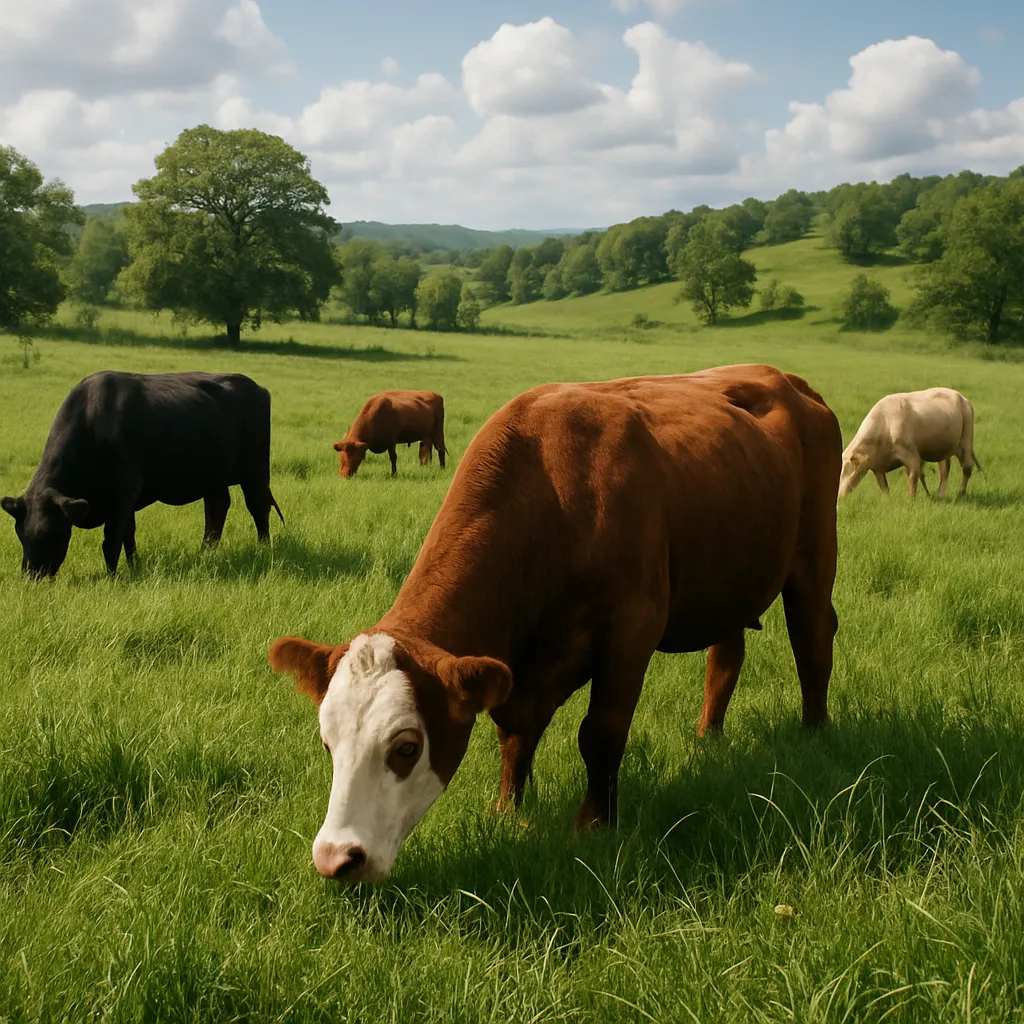
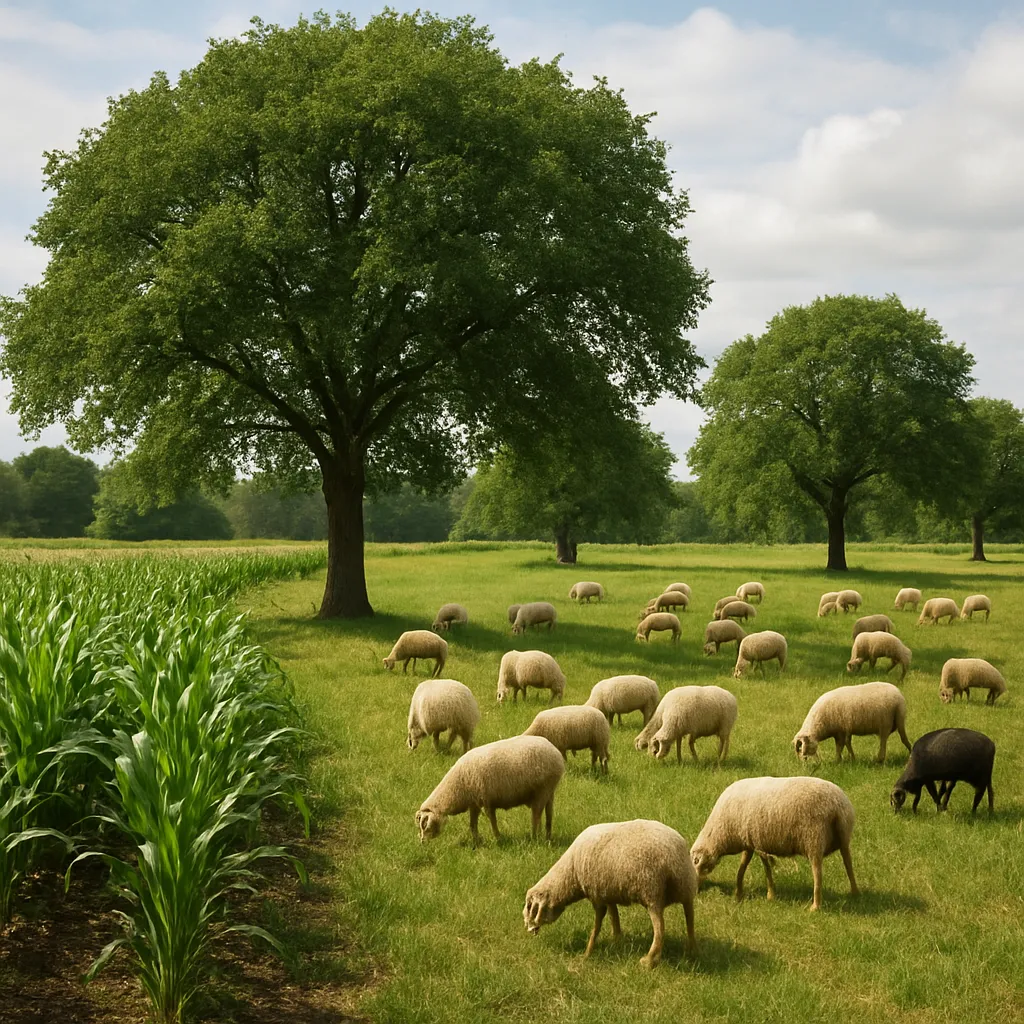
Effective design balances crop rows with tree alleys. Common arrangements include alley cropping—where trees are planted in parallel rows—and silvopasture, which integrates livestock grazing beneath tree canopies. Maintain optimal spacing to prevent excessive shading of understory crops. Regularly prune lower branches to encourage airflow and sunlight penetration, enhancing both **productivity** and farm accessibility.
Maintenance Strategies
- Implement a pruning schedule to manage canopy shape and encourage fruit or timber production.
- Mulch around tree bases with crop residues or compost to suppress weeds and retain moisture.
- Monitor nutrient levels through periodic soil testing and apply organic amendments as needed.
- Rotate companion crops in alleys to interrupt pest cycles and replenish soil nutrients.
Maximizing Economic and Social Outcomes
Diversified Income Streams
Beyond conventional field crops, trees open avenues for additional **revenue** through products like nuts, fruits, timber, and medicinal extracts. Agroforestry can buffer farmers against market fluctuations: if one commodity’s price drops, income from tree-derived goods can offset losses. Furthermore, value-added processing of tree products—such as producing essential oils or packaged nuts—can increase profitability.
Community Engagement and Knowledge Sharing
Adopting agroforestry often involves collaboration with extension services, researchers, and fellow farmers. Establishing demonstration plots helps disseminate **innovative** practices, while farmer-to-farmer exchanges accelerate learning and adaptation. Community-based nurseries can supply high-quality seedlings, ensuring access to disease-free planting material and fostering collective stewardship of local resources.
Key Takeaways:
- Agroforestry enhances soil structure and fertility through organic matter inputs and nitrogen fixation.
- Diverse landscapes support natural pest-control agents, reducing reliance on chemicals.
- Trees sequester carbon and buffer extreme weather, bolstering climate resilience.
- Practical design and maintenance—such as proper spacing and regular pruning—are crucial for success.
- Diversified tree products create new income opportunities and strengthen rural economies.