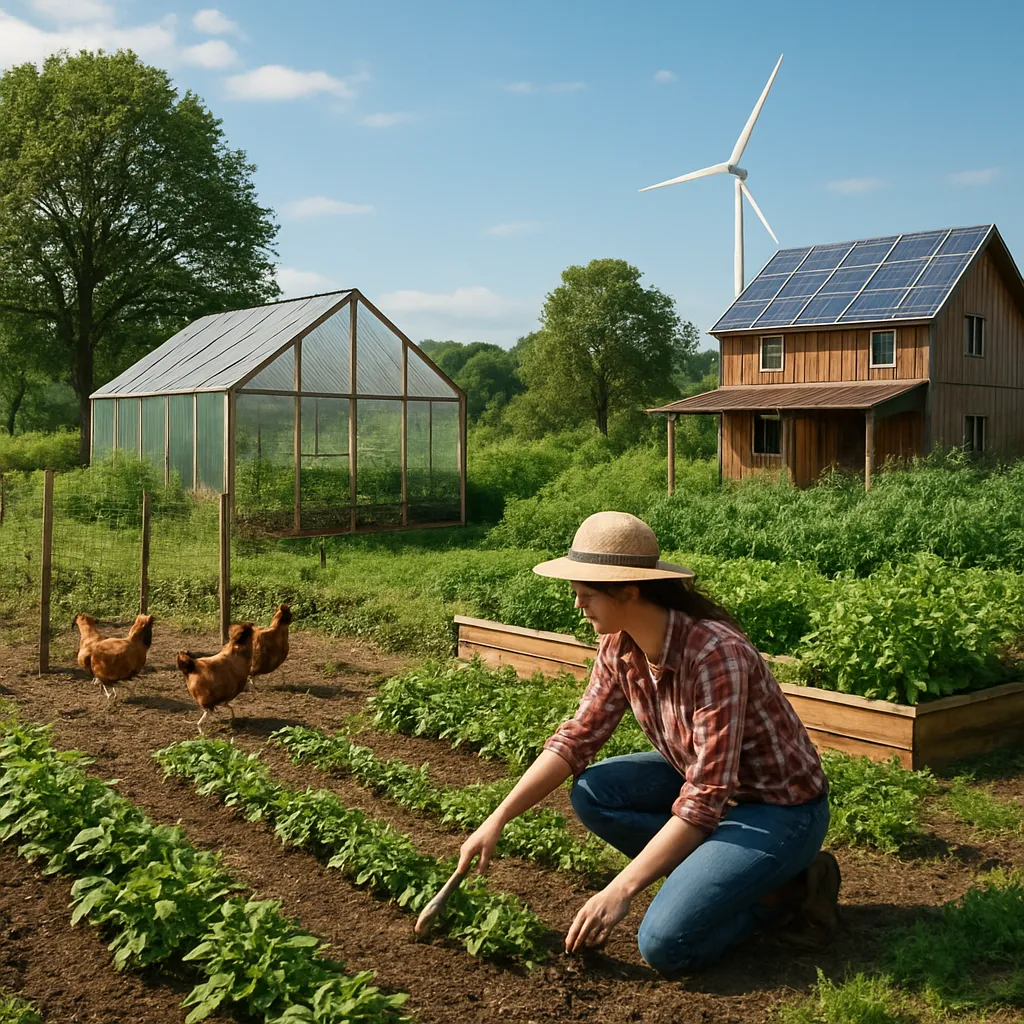
Building a truly self-sufficient eco farm begins with a vision that balances productivity, resilience, and harmony with nature. By integrating thoughtful design, regenerative practices, and innovative technologies, you can create a thriving agricultural system that meets your needs while protecting the environment. This guide explores essential strategies and practical tips to help you establish a farm rooted in sustainability and long-term success.
Site Selection and Planning
Choosing the right location is the foundation for any successful eco farm. Evaluate your land’s natural features, climate patterns, and existing resources before breaking ground. A well-chosen site reduces external inputs and supports healthy growth from day one.
Understanding Soil and Water
- Conduct a comprehensive soil test to assess pH levels, nutrient content, and texture. Healthy soil rich in soil fertility supports robust plant growth and reduces reliance on chemical fertilizers.
- Map natural water sources such as streams, springs, and rainfall patterns. Effective water management strategies—including contour swales, ponds, and rainwater harvesting systems—ensure crops receive reliable moisture.
Designing for Permaculture and Efficiency
Apply permaculture principles to minimize waste, optimize energy flow, and foster a resilient farm ecosystem:
- Zone your property based on frequency of use: Place intensive gardens close to the house (Zone 1) and larger orchards or grazing areas further away (Zone 4 or 5).
- Leverage natural windbreaks and sun exposure to protect delicate crops and reduce heating/cooling costs.
- Incorporate multifunctional elements—like fruit trees that provide shade, wind protection, and edible yields.
Implementing Biodiversity and Polyculture
Monocultures deplete soil nutrients and invite pests. Embracing biodiversity and polyculture planting creates a resilient, self-regulating environment where beneficial insects, microbes, and plants work in concert.
Companion Planting and Guilds
- Design plant guilds—groups of mutually supportive species. For example, a fruit tree guild might include nitrogen-fixing shrubs, pollinator-attracting flowers, and groundcovers that suppress weeds.
- Use crop rotation to disrupt pest cycles and maintain balanced soil nutrients. Rotate families of vegetables (e.g., nightshades, legumes, brassicas) in successive beds.
Wildlife Corridors and Habitat Creation
Encourage natural predators by establishing hedgerows, ponds, and nesting boxes. These features boost ecosystem health and reduce the need for synthetic pesticides.
Renewable Energy and Resource Management
Reducing dependence on fossil fuels is critical for an eco farm’s resilience. Invest in renewable energy systems and efficient resource use to lower operational costs and carbon footprint.
Solar, Wind, and Micro-Hydro Power
- Install photovoltaic panels on equipment sheds or greenhouses to power irrigation pumps and lighting.
- Evaluate small-scale wind turbines if your area offers consistent breezes. Pairing turbines with solar can provide around-the-clock energy.
- Where topography allows, micro-hydro generators on streams deliver steady electricity and mechanical power.
Water Harvesting and Recycling
Implement rainwater catchment systems on all large roofs. Store collected water in lined ponds or tanks for irrigation during dry spells. Employ greywater recycling from domestic sinks to irrigate ornamental or non–food-producing landscapes.
Building Soil Health Through Composting
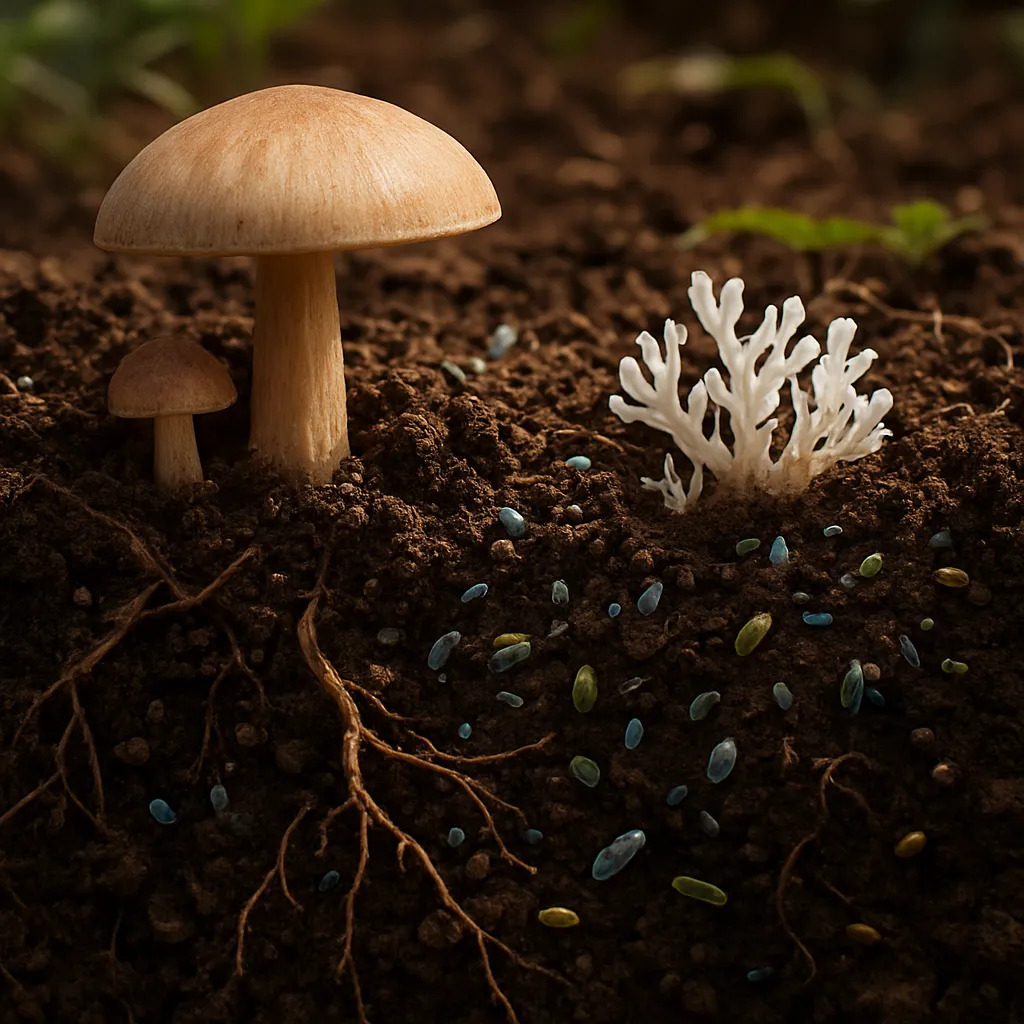
Healthy soil is the backbone of a productive farm. Incorporate composting and organic amendments to foster a living soil teeming with beneficial microorganisms.
Compost Pile Construction
- Layer carbon-rich materials (straw, wood chips) with nitrogen-rich inputs (manure, food scraps). Maintain a carbon-to-nitrogen ratio around 30:1.
- Turn the pile every 1–2 weeks to aerate and accelerate decomposition. Finished compost provides a stable, nutrient-dense amendment.
Cover Crops and Green Manure
Between main crops, sow cover crops such as clover, vetch, or rye. When tilled in, these plants add organic matter, suppress weeds, and fix atmospheric nitrogen, dramatically improving soil fertility.
Animal Integration and Polyculture Systems
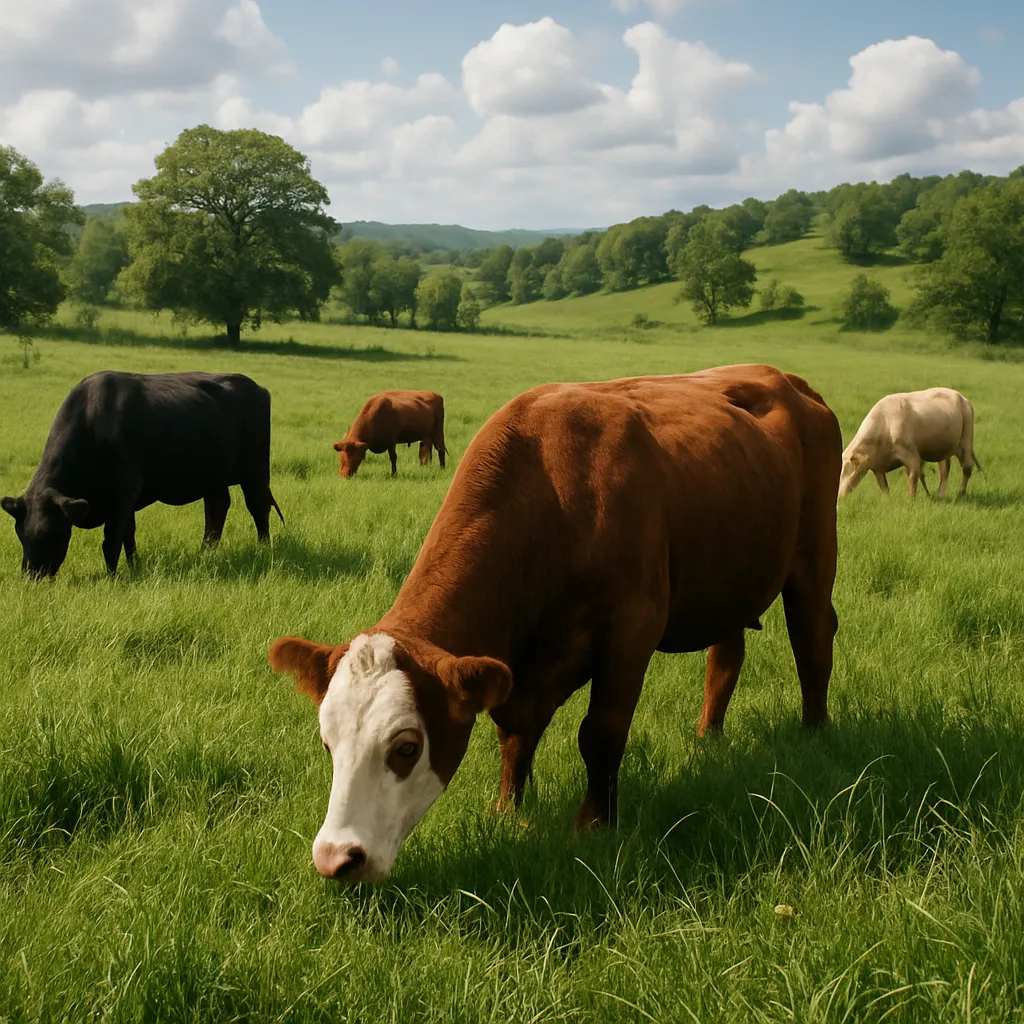
Integrating livestock can enhance nutrient cycling and weed control when managed holistically. Animals convert crop residues into valuable manure and help prepare the soil for planting.
Rotational Grazing
- Implement portable fencing to rotate livestock through paddocks. This prevents overgrazing and encourages even manure distribution.
- Mix grazing species (e.g., chickens, sheep, goats) that target different weeds and plant materials, maximizing land use efficiency.
Backyard Poultry and Insectaries
Chickens and ducks forage pests and weeds, while leaving behind biodiversity-boosting manure. Designing a small insectary—plots dedicated to beneficial insect–attracting plants—further reduces pest pressure.
Harvest, Storage, and Community Engagement
A truly self-sufficient farm considers peak yields, preservation methods, and social networks. Maximizing the lifespan of your harvest and sharing resources fosters a resilient local food system.
Preservation Techniques
- Canning, drying, fermenting, and cold storage extend the shelf life of fruits and vegetables. Bulk preserving in season ensures diversity on the table year-round.
- Root cellars maintain cool, humid conditions ideal for storing root crops, brassicas, and apples.
Farm Shares and Cooperative Models
Establish a Community Supported Agriculture (CSA) program to distribute weekly shares to members. Collaborate with neighboring farms to share equipment, seeds, and best practices—strengthening the regional ecosystem of growers.