The intersection of science and farming has led to transformative advances in food production. By harnessing cutting-edge tools and deepening our understanding of plant biology, researchers and farmers can optimize crop performance, ensure food security, and promote environmental stewardship. This exploration highlights key aspects of how biotechnology reshapes modern agriculture and offers practical insights for growers aiming to enhance productivity while preserving natural resources.
Importance of Biotechnology in Modern Agriculture
Biotechnology has revolutionized crop development by introducing traits that were once impossible to achieve through traditional breeding. Traits such as drought tolerance, enhanced nutrient uptake, and built-in pest resistance help plants endure challenging conditions. Genetic engineering allows scientists to pinpoint specific genes responsible for vital functions and transfer them between species, resulting in crops with greatly improved performance metrics.
One prime example is the creation of crops with enhanced yield potential. By modifying genes that regulate growth hormones, developers can increase biomass accumulation and grain production. This approach lessens farmland pressure by enabling higher outputs per acre. Moreover, biotechnology empowers breeders to stack multiple beneficial genes in a single variety, offering broad-spectrum protection against a range of threats.
Another critical contribution lies in the development of biofortified varieties that address global malnutrition. Golden rice, enriched with vitamin A precursors, exemplifies how genetic design can fill dietary gaps in populations that rely heavily on staple grains. Through targeted metabolic engineering, crops can be fortified with essential micronutrients, combating hidden hunger and improving overall public health.
Biotechnological advances also accelerate the breeding cycle via molecular markers and genome editing. Marker-assisted selection uses DNA signatures to identify desirable traits in seedlings long before field trials. This streamlines the breeding process, reducing costs and time to market. Technologies like CRISPR/Cas9 further expedite trait insertion or removal with unprecedented precision, eliminating undesirable genes while preserving the plant’s genetic integrity.
Integrating biotechnology with agroecological principles enhances ecosystem health. By reducing reliance on chemical inputs, such as synthetic pesticides and fertilizers, biotech crops can foster biodiversity and minimize environmental contamination. For instance, insect-resistant varieties decrease the number of pesticide applications required, protecting beneficial organisms like pollinators and soil microorganisms.
Nevertheless, successful adoption hinges on robust regulatory frameworks and transparent public communication. Stakeholders must evaluate ecological risks, monitor unintended gene flow, and ensure equitable access for smallholder farmers. By coupling innovation with thorough risk assessments, societies can unlock the full potential of biotechnology while safeguarding ecosystems and human well-being.
Cutting-edge Biotechnological Tools and Techniques
Emerging technologies continually redefine the boundaries of what is possible in crop improvement. Innovative platforms such as genome sequencing, RNA interference, and high-throughput phenotyping facilitate deeper insights into plant physiology. These tools enable researchers to decode complex traits and identify key regulators of stress responses, nutrient use efficiency, and developmental timing.
Genome Editing with CRISPR
- Targeted modification of specific genes responsible for stress tolerance and disease resistance
- Rapid development of new cultivars with minimal off-target effects
- Potential to eliminate undesirable traits, such as allergenicity, without introducing foreign DNA
RNA Interference (RNAi)
- Gene silencing strategies to combat viral pathogens and insect pests
- Reduction of harmful mycotoxin production by downregulating fungal virulence factors
- Enhanced capacity to modulate metabolic pathways for higher efficiency and quality
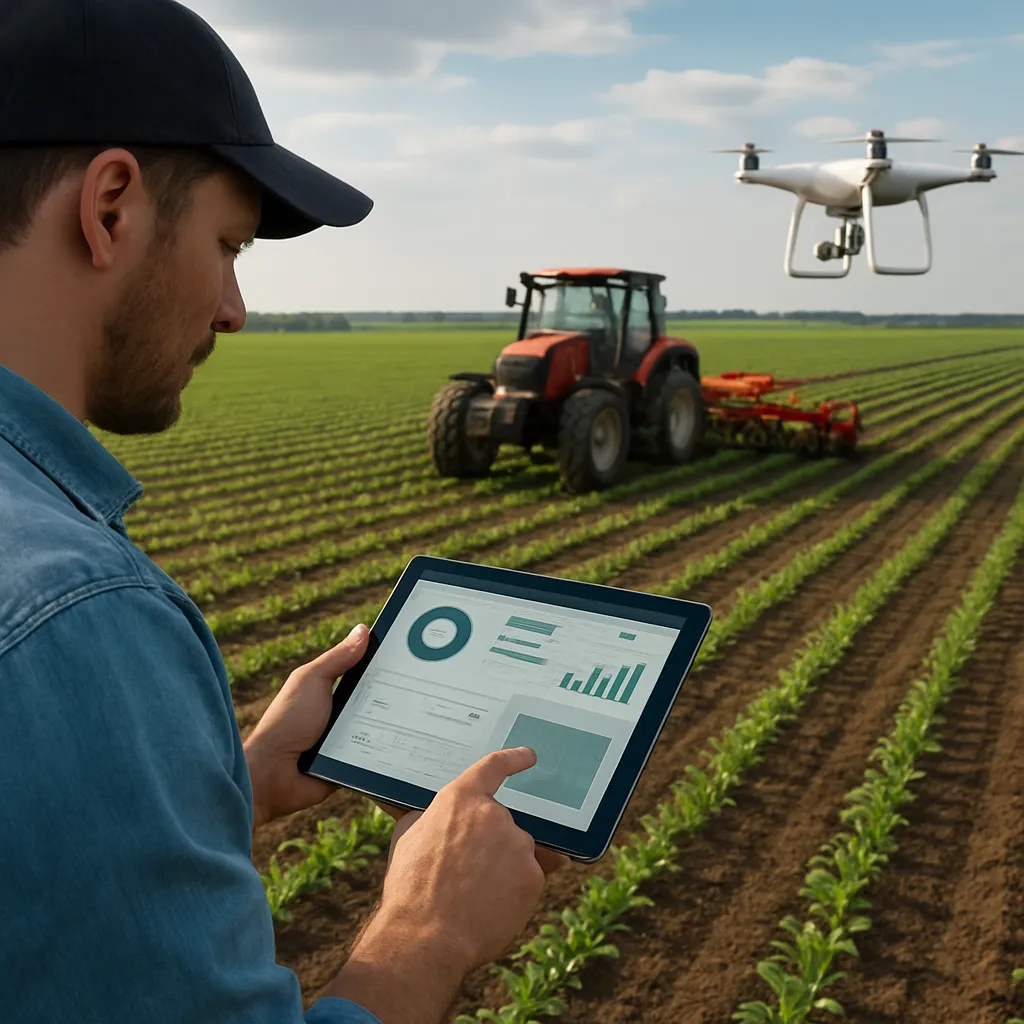
Advanced phenotyping methods, including drone-mounted sensors and automated imaging platforms, allow large-scale assessment of plant traits under field conditions. These systems capture data on canopy temperature, chlorophyll content, and biomass accumulation, offering real-time feedback that informs breeding decisions and management practices. By combining genotypic and phenotypic data through machine learning models, breeders can predict performance under diverse environments with unmatched accuracy.
Bioreactors and tissue culture techniques also play a pivotal role in mass propagation of elite lines. Micropropagation via somatic embryogenesis permits the rapid multiplication of genetically uniform plantlets, ensuring trait consistency. This approach is invaluable for clonally propagated crops such as bananas and potatoes, where traditional seed-based breeding is less effective.
Furthermore, synthetic biology opens new avenues for constructing entirely novel pathways within plants. Researchers can design and insert gene circuits that respond to specific environmental cues, triggering the production of protective compounds only when needed. This precision minimizes metabolic burden on the plant and reduces unnecessary resource allocation, improving overall adaptability.
Sustainable Practices and Future Prospects
To achieve long-term agricultural resilience, biotechnology must be integrated with sustainable management strategies. Precision farming techniques, informed by geo-referenced data and predictive analytics, optimize input use—applying water, fertilizers, and biocontrol agents exactly where and when needed. This enhances resource conservation while maintaining high productivity levels.
Here are practical tips for growers looking to implement biotech-driven solutions:
- Adopt integrated pest management (IPM) plans that combine resistant varieties with biological controls
- Use precision irrigation systems equipped with soil moisture sensors to reduce water waste
- Rotate crops and incorporate cover crops to break pest cycles and improve soil health
- Test soil regularly and apply targeted nutrient amendments based on analysis
- Monitor fields with remote sensing tools to detect early stress signals and apply corrective measures
- Engage in participatory breeding programs to ensure new varieties meet local needs
- Implement conservation practices like no-till to maintain soil structure and carbon sequestration
- Partner with research institutions to trial emerging biotech traits under real farm conditions
Looking forward, next-generation innovations are set to enhance sustainability even further. Researchers are exploring gene drives to control invasive pests, while microbial consortia engineering aims to boost plant-microbe interactions for superior nutrient cycling. Meanwhile, digital platforms will facilitate knowledge exchange, enabling farmers worldwide to share success stories and overcome challenges collaboratively.
Ultimately, the synergy between biotechnological breakthroughs and eco-friendly practices will drive agriculture toward a resilient and productive future. By leveraging these advances, growers can achieve balanced ecosystems, secure livelihoods, and feed a growing population without compromising the health of our planet.