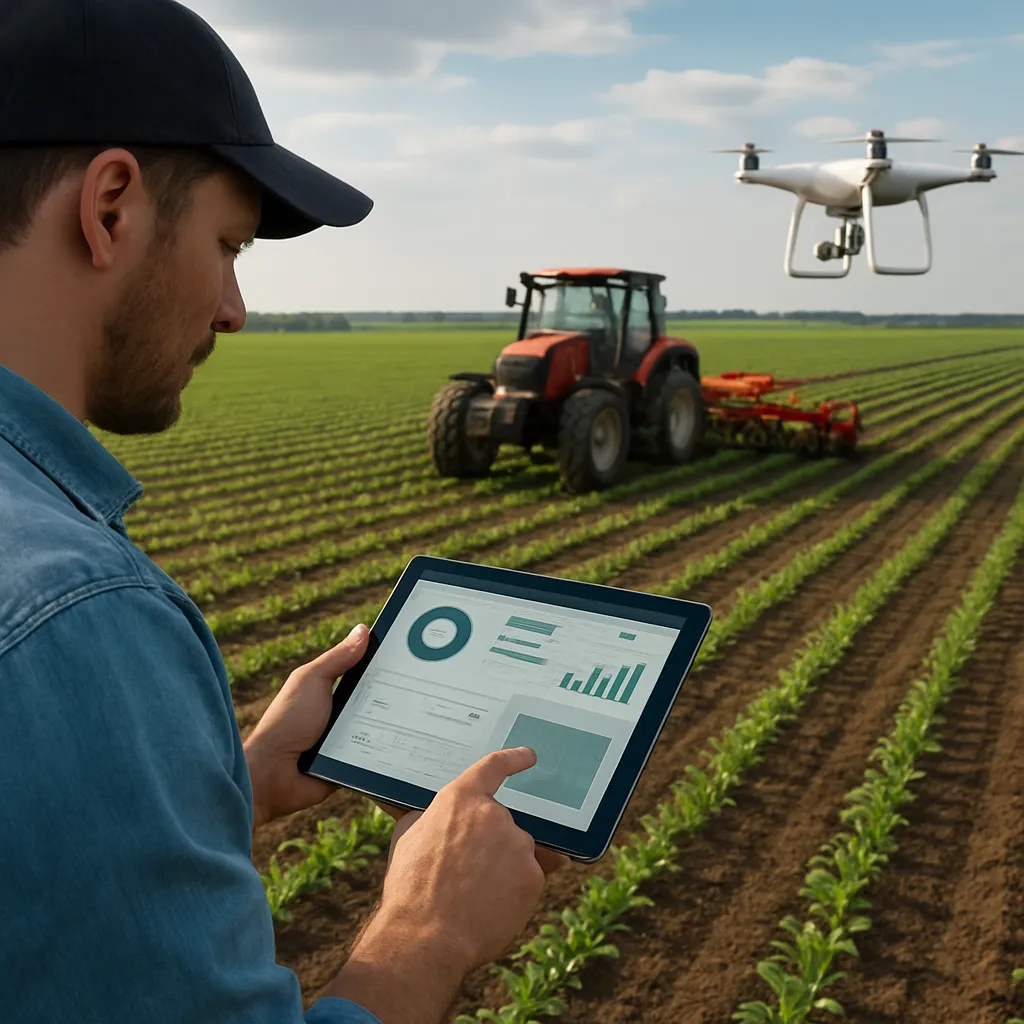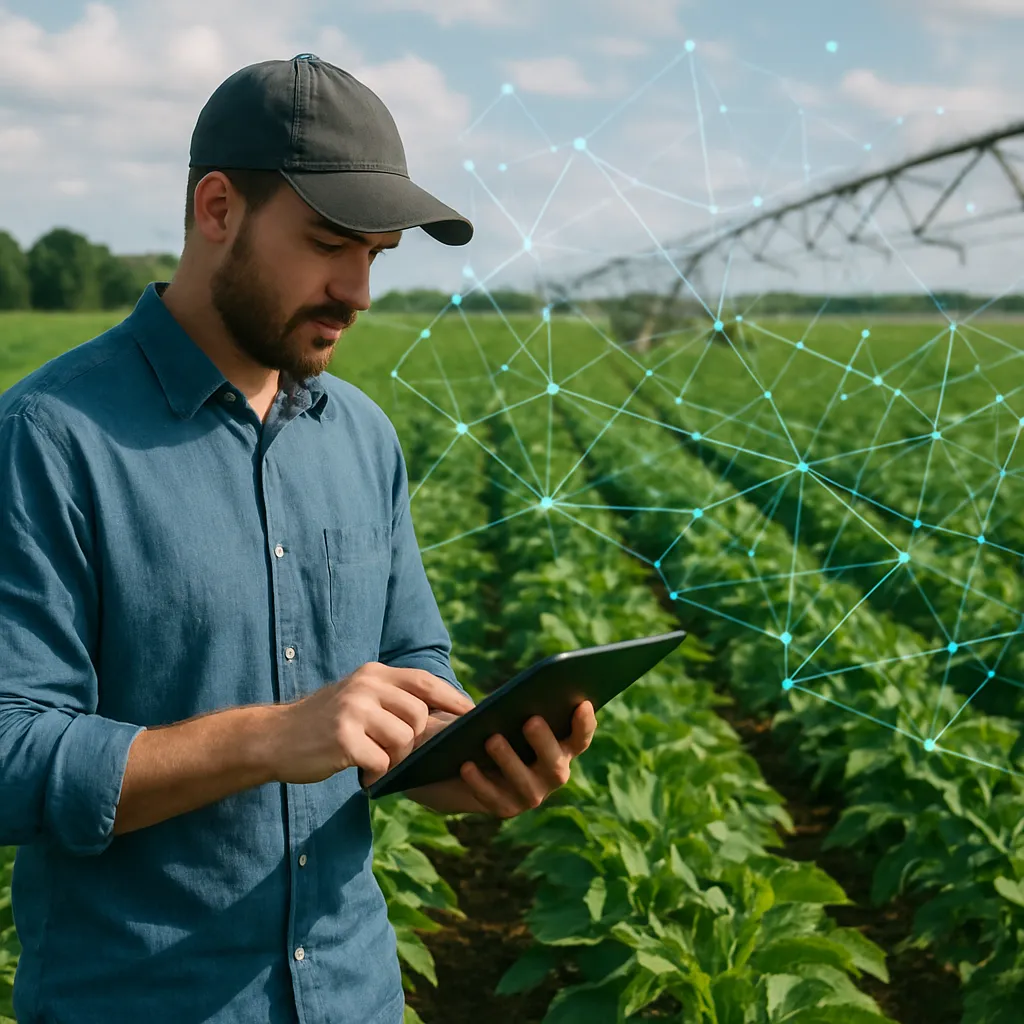
The integration of advanced technologies into agricultural practices has revolutionized the way farmers manage their fields, crops, and resources. Harnessing the power of big data, modern agriculture is moving beyond intuition to leverage precise insights that drive productivity, reduce waste, and promote sustainable growth. This article explores the transformative role of data in three key areas, offering practical tips and highlighting essential innovations that are shaping the future of farming.
Precision Farming and Data Integration
Collecting Diverse Data Streams
Successful precision farming relies on aggregating multiple data sources to create a comprehensive picture of field conditions. From soil moisture readings to weather forecasts, combining these inputs enables farmers to make data-driven decisions that maximize output.
- Tip: Deploy sensors at varying soil depths to capture moisture and nutrient levels across different zones in the field.
- Tip: Integrate satellite imagery and drone-based remote sensing for high-resolution monitoring of crop health and canopy cover.
- Tip: Use GPS-guided machinery to ensure uniform seed placement and fertilizer application, reducing overlaps and gaps.
Leveraging Connectivity and IoT
The connectivity of devices forms the backbone of a modern farm’s digital infrastructure. Internet of Things (IoT) networks connect tractors, irrigation systems, and environmental sensors, feeding real-time metrics into centralized platforms.
- Tip: Set up a reliable mesh network or LoRaWAN system to cover large fields with minimal latency.
- Tip: Schedule routine firmware updates on all field devices to maintain compatibility and security.
- Tip: Use mobile dashboards to monitor key parameters remotely and receive alerts when thresholds are breached.
Data Analytics for Crop Management
Predictive Models and Yield Optimization
By applying predictive algorithms to historical and real-time data, farmers can forecast yield potentials and identify stress factors before they impact production. These models facilitate proactive interventions that enhance overall efficiency.
- Tip: Calibrate models seasonally using the most recent yield data, adjusting for crop rotation and soil amendments.
- Tip: Simulate “what-if” scenarios to evaluate the impact of variable fertilizer rates, planting dates, or irrigation schedules on projected yields.
- Tip: Partner with agronomists to validate model outputs against field observations, refining algorithms with local expertise.
Real-Time Monitoring and Decision Support
Real-time dashboards powered by advanced analytics offer instant visibility into pest outbreaks, nutrient deficiencies, or water stress. This empowers farmers to act swiftly, reducing losses and enhancing crop quality.
- Tip: Institute threshold-based alarms for key indicators such as leaf chlorophyll levels or canopy temperature anomalies.
- Tip: Integrate weather station feeds to anticipate rainfall events and adjust irrigation plans accordingly.
- Tip: Create custom reports that highlight field zones requiring immediate attention, minimizing time spent on manual scouting.
Future Trends and Sustainable Growth
Machine Learning and Automation
Advanced machine learning tools analyze complex patterns across vast datasets, enabling autonomous equipment to perform tasks such as targeted spraying or selective harvesting. This automation reduces labor costs and enhances precision beyond human capability.
- Tip: Invest in prototype trials of robotic harvesters to assess compatibility with specific crop varieties and field topographies.
- Tip: Monitor machine performance metrics closely to identify maintenance needs before breakdowns occur.
- Tip: Incorporate edge computing solutions in machines to process data locally, reducing reliance on constant internet connectivity.
Building Climate Resilience and Sustainability
Adopting sustainable practices backed by big data ensures farms remain productive under changing climate conditions. Data-driven water management, carbon tracking, and biodiversity assessments promote long-term viability and environmental stewardship.
- Tip: Use predictive drought models to optimize water allocation during dry spells, conserving resources while maintaining yields.
- Tip: Track carbon emissions and sequestration rates to participate in emerging carbon-credit markets.
- Tip: Implement cover cropping strategies guided by soil health indices to improve nutrient cycling and erosion control.
Integrating Resource Management and Community Engagement
Financial Planning with Data Insights
Analyzing cost data alongside yield and market price information supports robust financial decision-making. Leveraging optimization tools helps allocate budgets to the most profitable practices and inputs.
- Tip: Maintain detailed expense logs by field block, linking them to corresponding yield results for accurate ROI calculations.
- Tip: Simulate different input scenarios—such as organic versus synthetic fertilizers—to compare long-term economic and environmental outcomes.
- Tip: Use predictive cash flow models to prepare for variable commodity prices and unexpected expenses.
Collaborative Platforms and Knowledge Sharing
Farmers can join digital cooperatives and data-sharing networks to enhance collective resilience. By pooling anonymized data, participants gain deeper insights and contribute to regional pest management or climate adaptation strategies.
- Tip: Participate in open data initiatives that match local field data with regional trends for broader context.
- Tip: Host regular virtual workshops where farmers share lessons learned from precision tools and analytics platforms.
- Tip: Advocate for policies that support data privacy and equitable access to agricultural technology innovations.