Rapid advancements in the agricultural sector have given rise to a new breed of companies dedicated to harnessing technology for crop production, animal husbandry, and supply chain optimization. AgriTech startups are redefining the way farmers, agronomists, and food producers interact with land, water, and markets. By combining data-driven solutions with cutting-edge hardware, these ventures are unlocking unprecedented levels of efficiency and sustainability that could secure global food supplies for decades to come.
Emerging Innovations in AgriTech
From remote sensing to laboratory-grown proteins, AgriTech startups are at the forefront of groundbreaking developments. Key areas of innovation include:
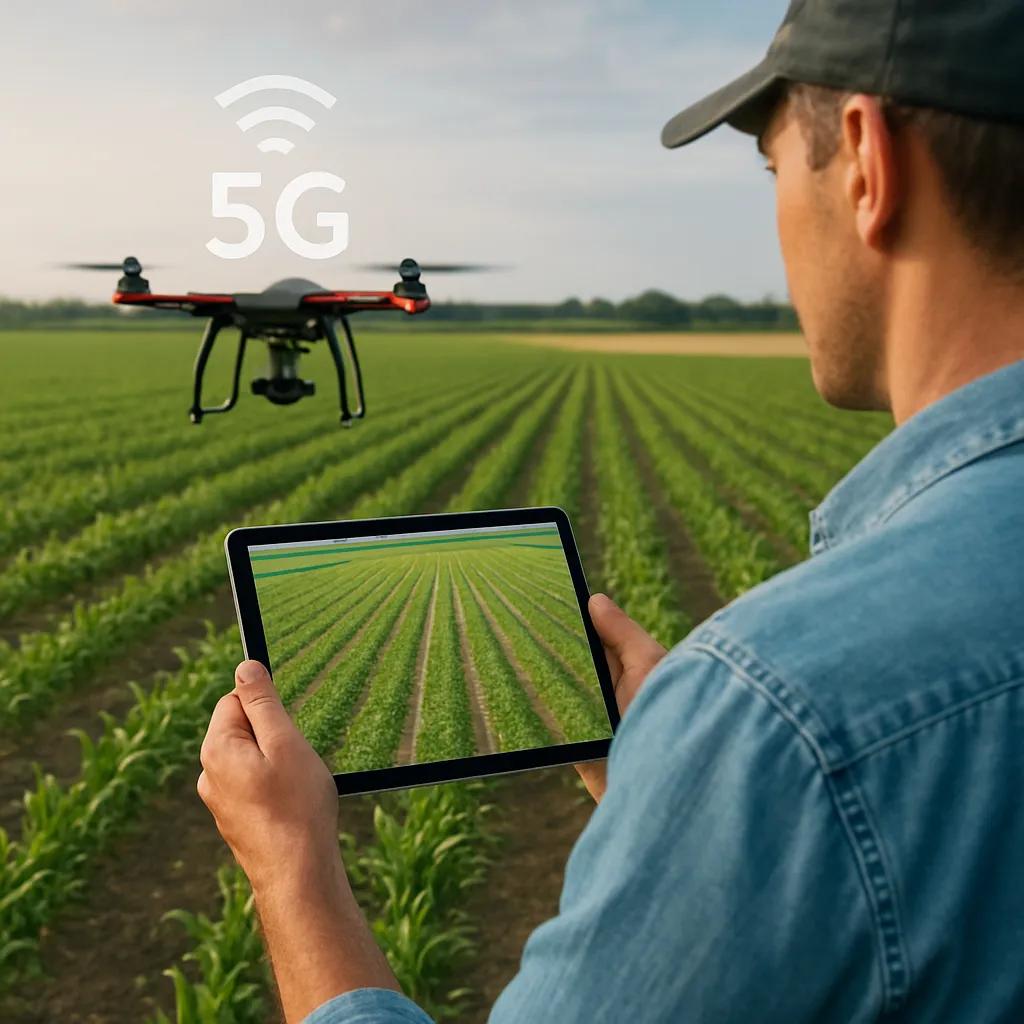
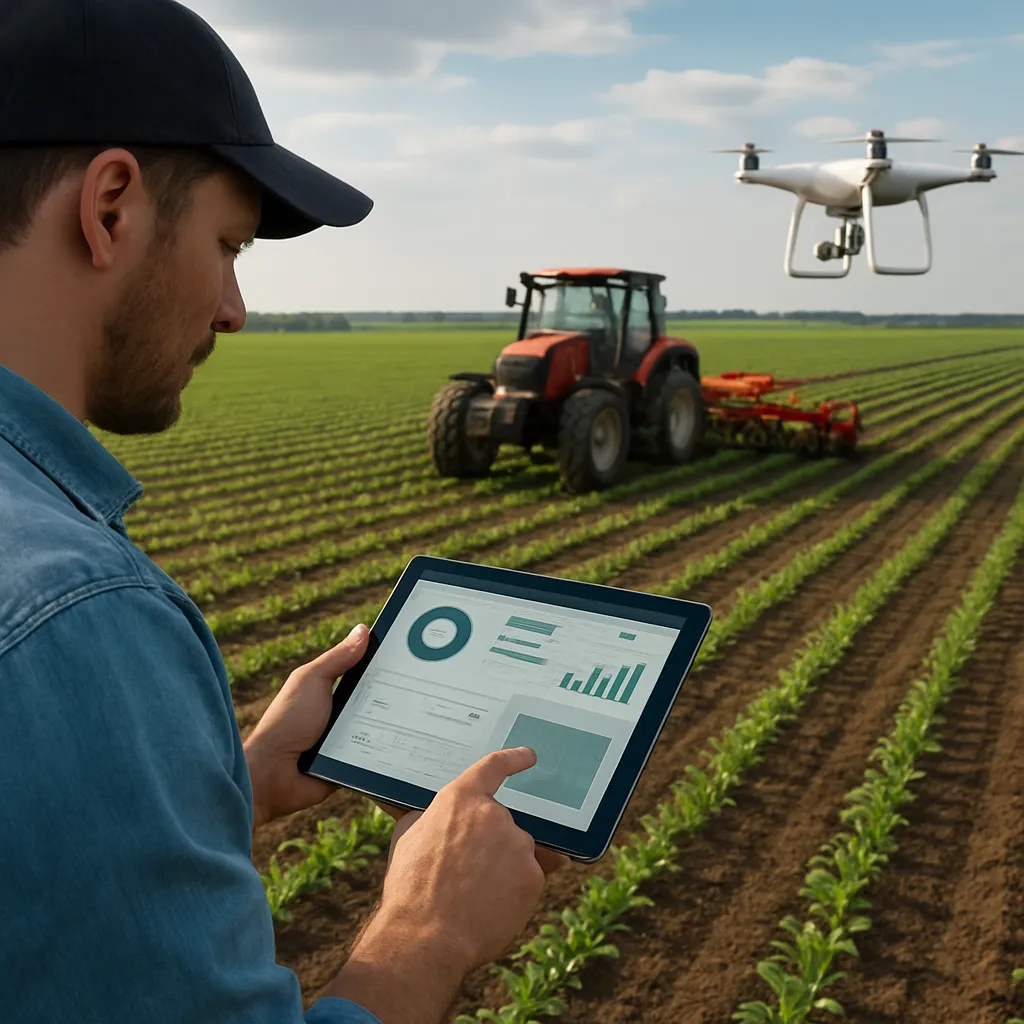
- Precision Agriculture Platforms: Utilizing GPS-guided tractors, sensor-equipped drones, and satellite imagery to manage fields at a micro level. This approach minimizes resource waste and maximizes yield.
- Robotic Harvesters and Autonomous Vehicles: Robots capable of selective harvesting, weeding, and soil preparation reduce labor costs while improving crop quality.
- IoT-Enabled Monitoring Systems: Soil moisture sensors, climate stations, and livestock trackers feed real-time data into cloud-based dashboards, enabling rapid decision-making.
- Advanced Data Analytics and AI: Machine learning algorithms predict disease outbreaks, optimize planting schedules, and recommend tailored fertilization strategies.
- Alternate Protein Technologies: Startups developing cultured meat, insect-based feeds, and plant-protein isolates support environmental goals and respond to rising protein demand.
These innovations converge to create a holistic ecosystem in which growers can anticipate threats, adapt to changing conditions, and maintain optimal productivity with less environmental impact.
Transforming Supply Chains and Market Access
AgriTech startups are reshaping traditional distribution networks by introducing digital marketplaces and blockchain-enabled traceability. Critical transformations include:
- Direct-to-Consumer Platforms: Farmers gain higher margins by selling produce online to urban customers, bypassing middlemen and reducing spoilage.
- Smart Logistics Solutions: Route-optimization software and cold-chain tracking minimize transit delays and maintain product quality from farm to table.
- Blockchain Traceability: Immutable ledgers record each stage of the production process, improving food safety, building trust, and enhancing regulatory compliance.
- Microfinancing and Insurance Products: FinTech integrations offer smallholders affordable credit and weather-indexed insurance, safeguarding operations against climate volatility.
By streamlining these networks, AgriTech startups facilitate more equitable access to domestic and international markets, enabling even small-scale producers to participate in global trade.
Sustainable Farming and Environmental Benefits
As the world confronts climate change, resource depletion, and biodiversity loss, AgriTech companies are pioneering methods to reduce the ecological footprint of agriculture. Notable strategies include:
- Water-Efficient Irrigation: Drip and subsurface irrigation systems guided by moisture-sensing probes achieve significant water savings compared to traditional flood methods.
- Regenerative Practices: AI-driven crop rotation and cover cropping plans improve soil health, sequester carbon, and foster resilient ecosystems.
- Precision Fertilization: Variable-rate nutrient applications, informed by soil maps, prevent overuse of chemicals and reduce runoff pollution.
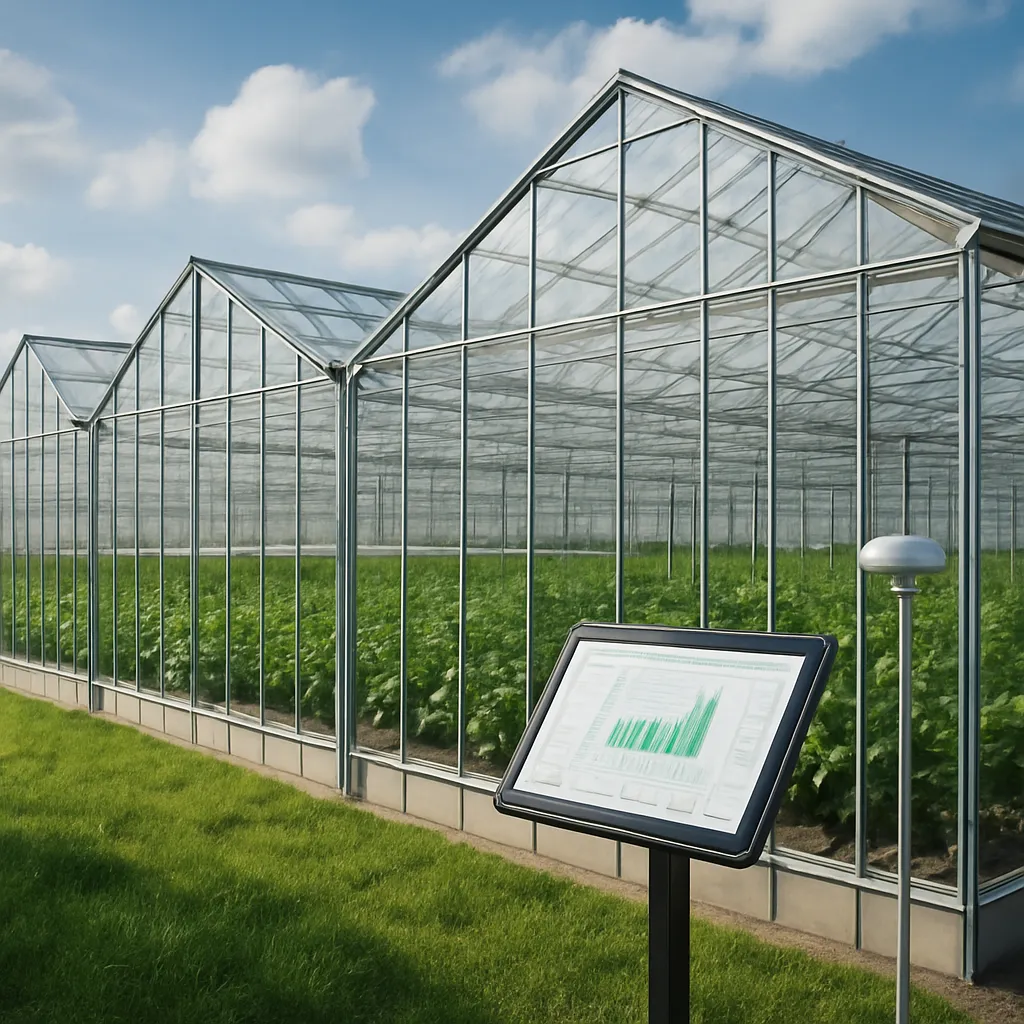
- Vertical Farming and Controlled-Environment Agriculture: Indoor farms utilize LED lighting, hydroponics, and aeroponics to cultivate high-value crops year-round on minimal acreage.
These solutions illustrate how innovation can harmonize productivity with planetary stewardship, addressing the dual challenges of feeding a growing population and preserving natural resources.
Practical Tips for Adopting AgriTech Solutions
Farmers and agribusinesses interested in integrating advanced technologies should consider the following guidelines:
- Conduct a Needs Assessment: Evaluate farm size, crop types, budget constraints, and existing infrastructure to identify priority areas for automation.
- Partner with Local Experts: Collaborate with agronomists, extension agents, or university researchers to tailor solutions to regional conditions.
- Start Small and Scale Gradually: Pilot new tools on a limited plot to fine-tune settings before full-scale implementation.
- Invest in Training and Support: Ensure staff receive hands-on instruction on software platforms, hardware operation, and data interpretation.
- Leverage Government Incentives: Research grants, tax credits, and subsidy programs designed to accelerate technology adoption in agriculture.
- Monitor Key Performance Indicators: Track metrics such as yield per hectare, input costs, water usage, and energy consumption to gauge return on investment.
- Maintain Flexibility: Choose modular systems and subscription-based services that allow upgrades as new innovations emerge.
Challenges and Future Prospects
Despite rapid progress, AgriTech startups face obstacles that could slow their global impact:
- High Initial Investment: Cutting-edge sensors, robotics, and AI platforms often require substantial capital, posing barriers for smallholders.
- Infrastructure Limitations: Reliable internet connectivity and energy supply remain scarce in remote agricultural regions.
- Regulatory Uncertainties: Approval processes for novel inputs—such as gene-edited seeds or cultured meats—vary widely between countries.
- Data Privacy and Ownership: Clear policies are needed to determine who controls farm-generated data and how it may be shared.
- Scalability Challenges: Solutions proven in controlled trials may underperform in diverse real-world settings without careful adaptation.
Looking ahead, the integration of blockchain, edge computing, and next-generation biotechnologies promises to deepen the transformative power of AgriTech. Startups that foster open collaboration with farmers, governments, and research institutions stand to accelerate the journey toward a more resilient and equitable food system. By addressing current limitations and continuing to innovate, these ventures will play a pivotal role in meeting the nutrition needs of a projected nine billion people by 2050.