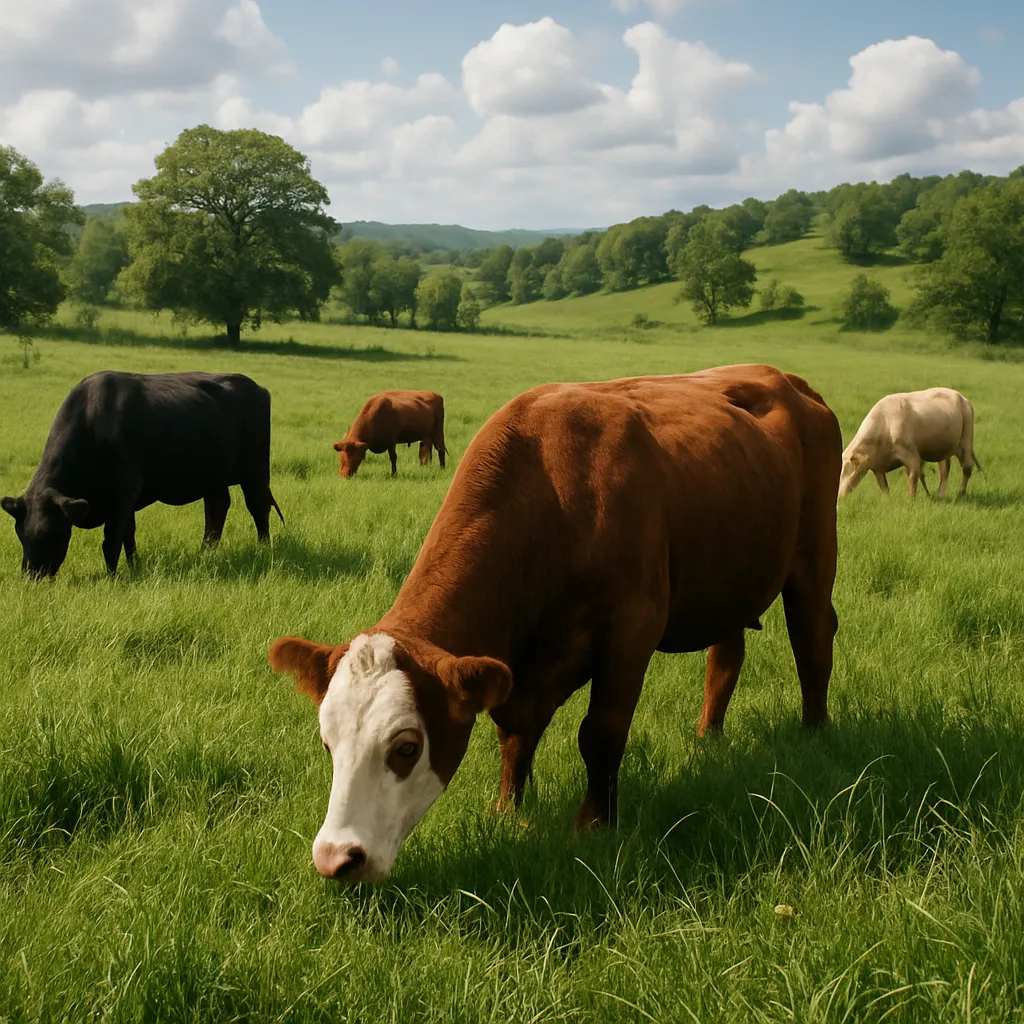
Artificial intelligence is transforming the landscape of modern agriculture by introducing innovative solutions that enhance productivity, minimize waste, and promote sustainability. From advanced data analysis to real-time monitoring, AI-driven tools are empowering farmers to make informed decisions throughout the entire cultivation cycle. By leveraging technologies such as predictive analytics, machine learning, and IoT-enabled sensors, the agricultural sector can optimize resource allocation, improve crop yield, and significantly reduce food loss from farm to table.
AI-Driven Insights for Modern Agriculture
Integrating AI into agriculture begins with collecting vast amounts of data from various sources. Drones equipped with high-resolution cameras, ground-based sensors, and satellite imagery feed information into sophisticated algorithms that analyze soil moisture, nutrient levels, weather patterns, and pest activity. These insights allow farmers to:
- Identify areas of underperforming soil and apply targeted amendments.
- Forecast changes in weather to schedule planting and harvesting with greater accuracy.
- Detect early signs of disease or pest infestations before they spread.
By using AI-powered platforms, producers can move beyond traditional calendar-based management to a dynamic, data-driven approach. This shift not only boosts operational efficiency but also contributes to resource management goals by applying water and fertilizers precisely where and when needed. As a result, farms can lower input costs, reduce environmental impact, and improve overall productivity.
Precision Farming Techniques Enhanced by AI
Precision farming leverages technology to tailor agricultural practices at a micro level. AI plays a critical role in three main areas of precision agriculture:
1. Variable Rate Application
Through real-time field assessments, AI systems recommend variable rates of seed, fertilizer, and pesticide application. Instead of uniform coverage, inputs are modulated based on localized conditions, ensuring each section receives the correct dosage. This optimization leads to healthier plants, reduced chemical runoff, and lower operational expenses.
2. Automated Irrigation Management
Smart irrigation relies on AI to predict soil moisture needs and adjust watering schedules. Coupled with weather forecasts, these systems prevent overwatering and under-watering by analyzing evapotranspiration rates and soil type data. The result is a sustainable approach to water use that conserves precious resources while maintaining high crop yield.
3. Robotic Field Operations
AI-driven robots can perform tasks like weeding, planting, and harvesting with remarkable precision. Equipped with computer vision and advanced navigation, these machines reduce labor costs and enhance field consistency. They can identify weeds among crops and remove them without damaging desirable plants, further reducing reliance on herbicides.
Supply Chain Optimization and Reducing Waste
Beyond the field, AI contributes to minimizing food loss throughout the supply chain. Key applications include:
- Demand Forecasting: Machine learning models analyze historical sales, seasonal trends, and external factors like holidays or economic shifts to predict market demand. Accurate forecasting helps avoid overproduction and spoilage.
- Inventory Management: Smart inventory platforms use AI to monitor stock in real time and recommend restocking or redistribution. These systems aim to maintain optimal inventory levels, reducing expired or unsold produce.
- Logistics and Route Optimization: AI algorithms plan the most efficient delivery routes, balancing speed, fuel consumption, and perishability. Shorter delivery times translate directly into fresher products and less waste.
By aligning production volumes with consumer needs and optimizing distribution logistics, stakeholders can cut food waste significantly. Retailers, wholesalers, and foodservice providers gain visibility into expiration dates and storage conditions, allowing proactive adjustments and timely transfers of near-expiry products to discount channels or donation networks.
Actionable Tips for Sustainable Farm Management
Farmers looking to adopt AI solutions can start with incremental steps that fit their scale and budget. Consider these practical recommendations:
- Invest in soil and weather sensors to gather baseline data. Even entry-level devices can reveal critical patterns in moisture, temperature, and nutrient status.
- Partner with agtech platforms offering modular AI services. Many providers allow subscription-based access to predictive analytics without heavy upfront costs.
- Implement small-scale pilot projects for precision seeding or variable-rate fertilization. Track performance metrics and ROI before expanding to larger acreages.
- Utilize AI-driven decision support tools on mobile devices. Field agents and farm managers can receive real-time alerts on plant health issues or irrigation needs.
- Engage in collaborative networks with other farmers to share data and best practices. Collective learning accelerates adoption of AI innovations.
- Train farm personnel on data interpretation and system maintenance to ensure long-term operational success.
Embracing these strategies fosters a resilient agricultural ecosystem. By prioritizing efficiency, embracing technology, and continuously refining practices, farms can contribute to global food security while safeguarding environmental health. The integration of AI not only drives economic gains but also advances the shared goal of sustainable, waste-reduced food production.