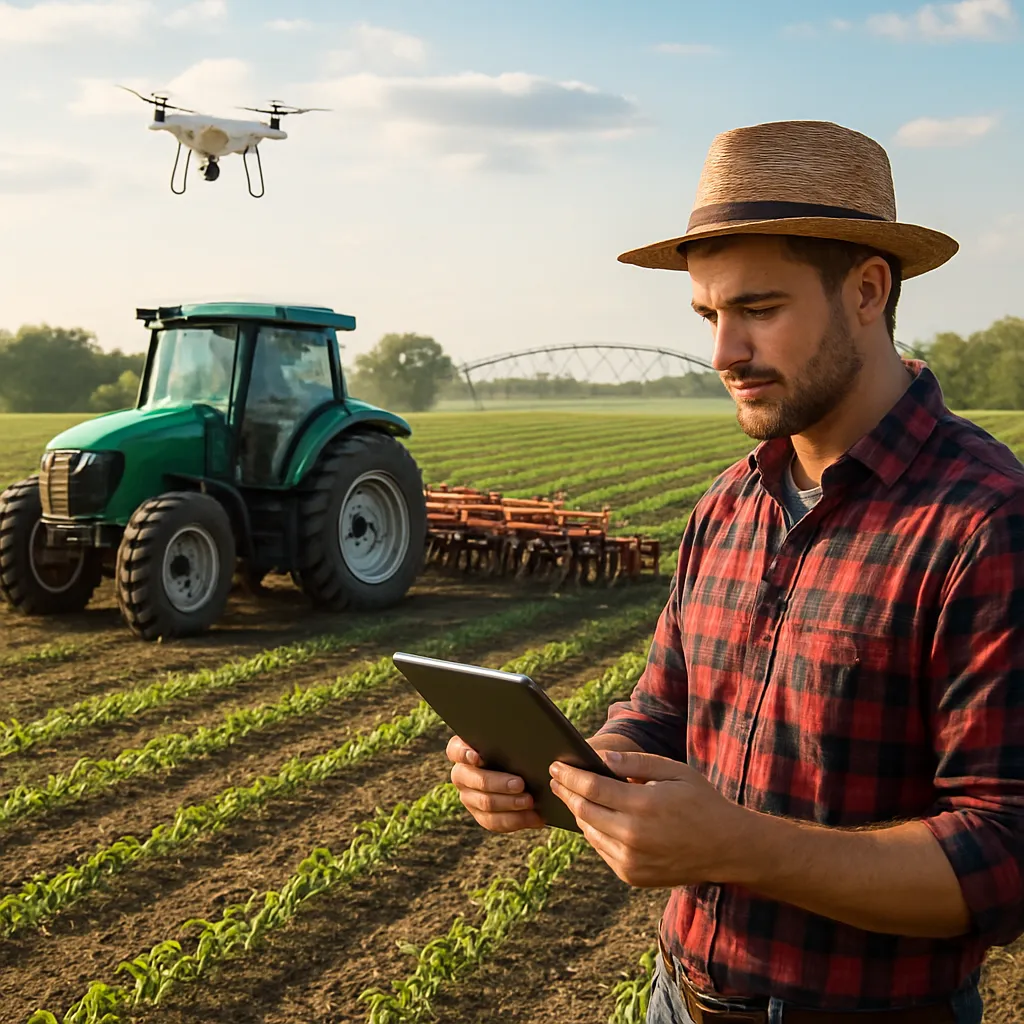
The integration of advanced technologies in modern farming has transformed agricultural landscapes around the world. From small family farms to vast commercial operations, new tools are enhancing productivity, conserving resources, and shaping the future of food production. This article explores the global expansion of robotics in agriculture, practical precision cultivation methods, and sustainable practices bolstered by innovation. Additionally, readers will find hands-on agriculture tips to apply at the field level and insights into forthcoming trends.
The Rise of Agricultural Robotics Across the Globe
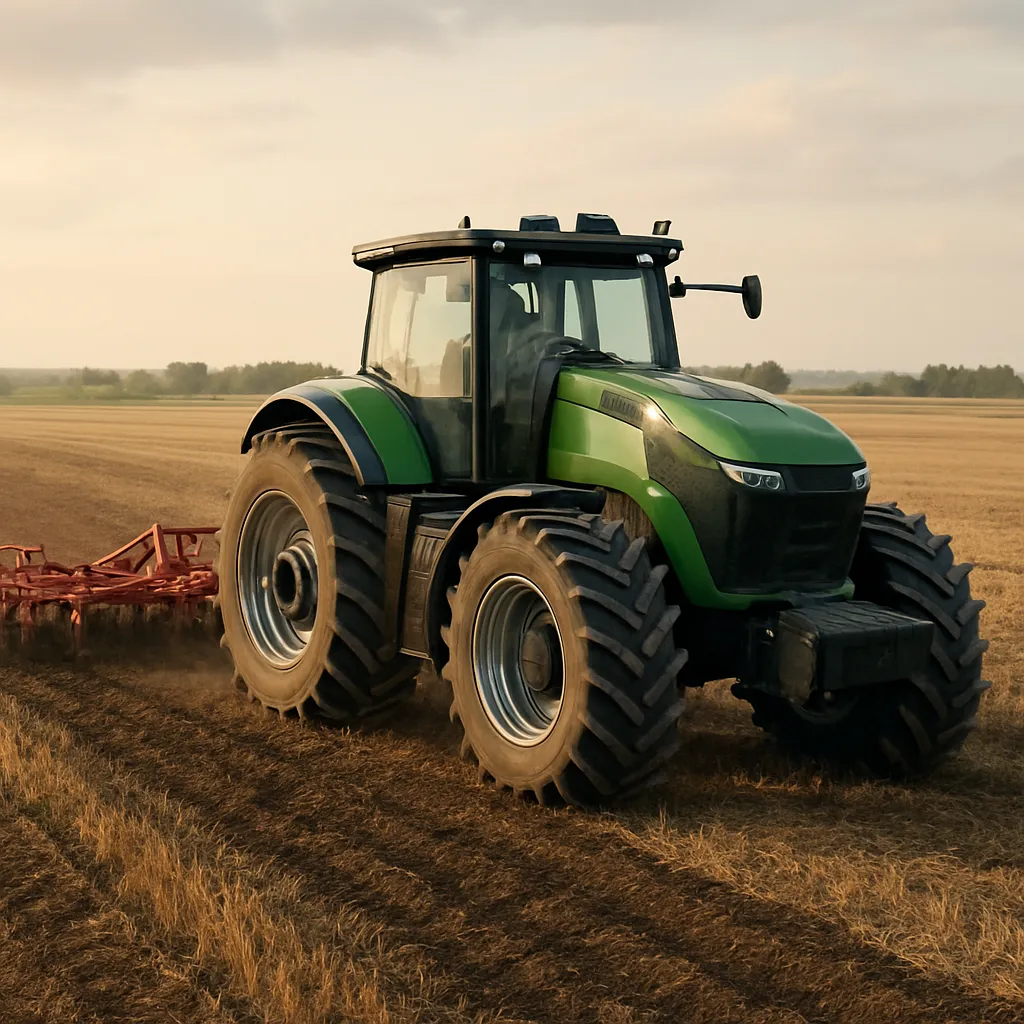
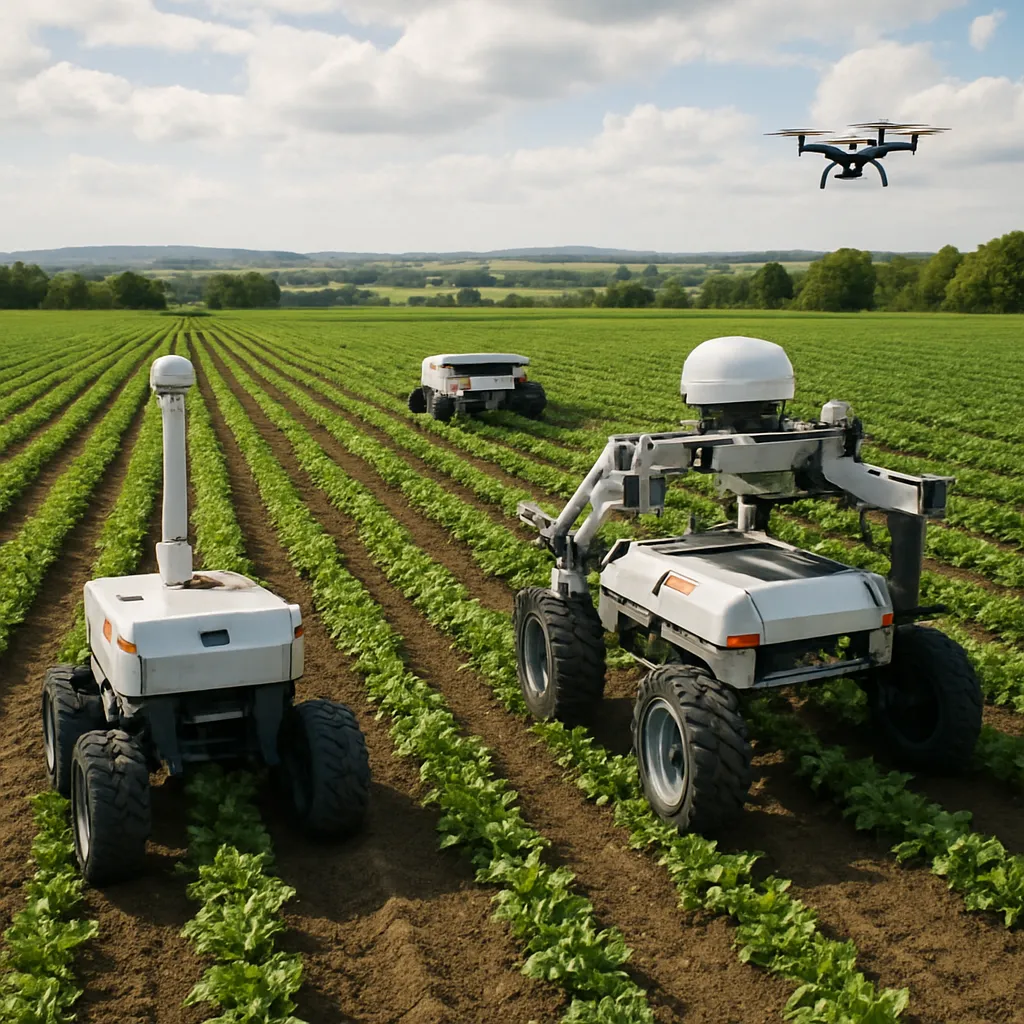
Over the past decade, farm machinery has evolved from rudimentary plows and tractors into highly specialized systems capable of performing complex tasks with minimal human intervention. These advances are driven by breakthroughs in automation and artificial intelligence, enabling machines to handle planting, weeding, and harvesting with unprecedented efficiency. Leading manufacturers now offer autonomous tractors that navigate fields using GPS and real-time environmental data. Meanwhile, smaller robots roam between rows to identify and remove weeds or thin fruit clusters, dramatically reducing labor costs and reliance on chemical herbicides.
Key factors fueling this global shift include:
- Labor shortages and rising wages in rural areas
- Demand for higher crop quality and consistent output
- Availability of affordable sensors and computing power
- Government incentives for technological adoption
Innovative startups and research institutions are collaborating to develop solutions for diverse crops—from rice paddies in Asia to vineyards in Europe. Trials of strawberry-picking robots in the United States and berry-sorting machines in Australia demonstrate how flexible platforms can be tailored to regional conditions. As these prototypes mature, widespread deployment promises to reshape entry-level farm work into higher-skilled roles in maintenance, programming, and data interpretation.
Precision Farming Techniques and Agriculture Tips
Soil Testing and Fertility Management
Effective crop production begins beneath the surface. Regular soil analysis helps farmers understand nutrient profiles, pH levels, and organic matter content. By adopting variable-rate fertilizer applications—driven by data analytics—producers can supply nutrients exactly where needed, minimizing waste and reducing runoff. For smallholders, simple colorimetric soil test kits provide actionable insights, while large operations use portable spectrometers to streamline sampling.
Integrated Pest Management
Controlling pests without over-reliance on chemicals is central to sustainable agriculture. Combining biological controls (such as predatory insects), cultural practices (crop rotation), and targeted sensors for early pest detection reduces environmental impact and preserves beneficial species. Smart traps equipped with motion detectors and image recognition can alert farmers to insect outbreaks, allowing timely, spot-treatment rather than blanket spraying.
Irrigation Strategies
Water scarcity remains a critical issue in many regions. By deploying soil moisture probes and weather stations linked through IoT networks, farmers schedule irrigation events only when necessary. Drip irrigation systems further conserve water by delivering moisture directly to roots. For those with limited capital, even simple rain-water harvesting systems—coupled with mulch layers to slow evaporation—offer substantial gains in water efficiency.
- Rotate plantings to break pest and disease cycles.
- Use cover crops to enhance soil health and prevent erosion.
- Optimize planting dates based on local climate forecasts.
- Scout fields regularly to catch issues early.
- Adopt no-till or reduced-till methods to preserve soil structure.
Sustainable Practices Enhanced by Technology
With growing concerns over climate change, agriculture is under pressure to reduce greenhouse gas emissions and conserve biodiversity. Technological innovations are helping farms become part of the solution:
Renewable Energy Integration
Solar panels and wind turbines are increasingly paired with farm operations to power irrigation pumps, cold storage units, and robotics charging stations. In some regions, biogas digesters transform animal manure into electricity and organic fertilizer, creating closed-loop systems.
Carbon Sequestration and Regenerative Techniques
By adopting no-till methods and planting deep-rooted cover crops, farmers trap carbon in the soil profile. Drones equipped with multispectral cameras monitor biomass accumulation and soil organic matter levels, guiding adjustments to maximize carbon capture while protecting soil structure.
Decision Support Platforms
Cloud-based dashboards aggregate data from field sensors, satellite imagery, and market signals to help farmers make informed choices. Predictive models forecast disease risk, yield potential, and water needs weeks in advance, allowing preemptive actions that save costs and resources.
Future Prospects and Challenges
As robotics become more capable, several trends are emerging:
- Swarm robotics: Small machines working collaboratively to cover vast areas.
- Advanced machine vision: Improved object recognition for delicate tasks like fruit grading.
- AI-driven breeding: Accelerating development of crop varieties adapted to stress conditions.
Despite these opportunities, hurdles remain. High upfront costs can deter smaller farms, while connectivity gaps in rural zones limit real-time data exchange. Additionally, farmers need training to operate complex equipment—something educational institutions and extension services must address. Ensuring equitable access to technology will be crucial for preventing a digital divide in agriculture.
Ultimately, the fusion of drones, autonomous machines, and sophisticated analytics promises to boost global yield, enhance resilience, and support sustainability. By embracing these innovations alongside time-tested agriculture tips, growers can meet the dual challenges of feeding a growing population and preserving the planet’s ecosystems.