Advancements in agricultural machinery are reshaping the way farmers manage their fields, combining cutting-edge technology with time-tested farming techniques. From fully autonomous tractors to smart implements, the future of agriculture aims to enhance efficiency, reduce waste and boost overall yield. This article delves into how these innovations are evolving, highlights key technologies driving change, and offers practical tips for integrating self-driving equipment into modern farms.
Evolution of Autonomous Farm Machinery
Historical Perspective
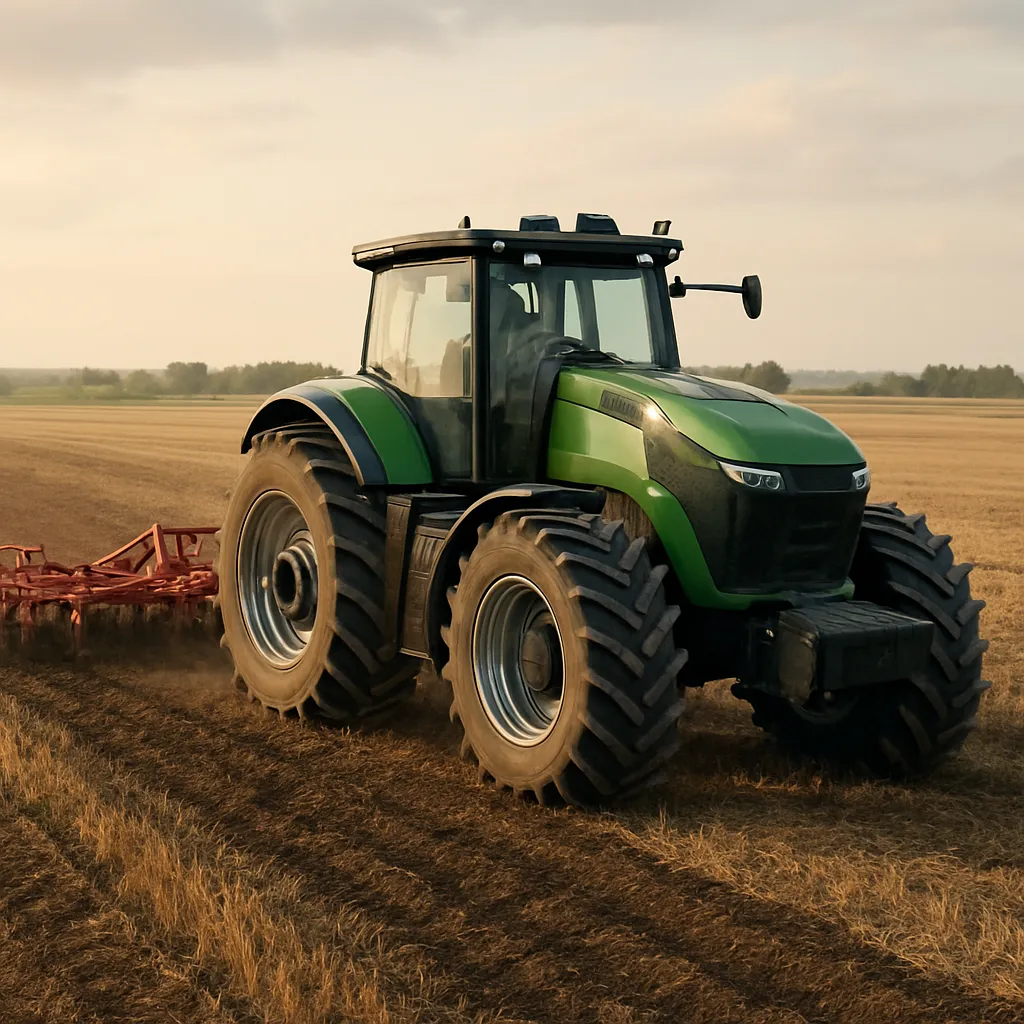
Mechanization in agriculture began with steam and diesel engines powering plows and harvesters. Over decades, tractors became more powerful and implements more specialized. The drive for greater productivity led to the introduction of GPS guidance systems in the 1990s, marking the first step toward semi-automated control. Today, the transition from assisted steering to fully self-driving tractors represents a monumental leap forward.
From Assisted to Fully Driverless
Initial automation efforts utilized basic GPS and auto-steer functions, enabling tractors to follow pre-set paths with minimal human input. Modern prototypes and commercial models now incorporate a complex network of sensors, machine vision cameras, and advanced algorithms. These systems work together to detect obstacles, adjust speed, and make real-time decisions without operator intervention, ushering in a new era of precision agriculture.
Technologies Driving Self-Driving Tractors
Artificial Intelligence and Machine Learning
The integration of AI enables tractors to analyze vast amounts of field data—soil moisture, crop health imagery, weather forecasts—and optimize operations accordingly. Machine learning models continuously improve performance by learning from past tasks, identifying patterns that humans may overlook, and adapting to changing field conditions.
Sensor Fusion and Connectivity
Self-driving tractors rely on a combination of GNSS (Global Navigation Satellite Systems), LiDAR, radar and camera arrays. This robotics-grade sensor fusion provides centimeter-level accuracy in field navigation and obstacle avoidance. Connectivity through 5G and edge computing ensures that real-time data is processed locally, reducing latency and maintaining reliable control, even in remote locations.
Energy Sources and Electrification
Electric and hybrid powertrains are gaining traction to reduce carbon footprints and fuel costs. Advanced battery technology paired with solar-charging systems on implements offers sustainable operation. Electric motors also provide instant torque and finer control, enhancing the tractor’s ability to perform delicate tasks like planting and harvesting without soil compaction.
Best Practices and Agriculture Tips for Tech-Driven Farms
Field Mapping and Data Management
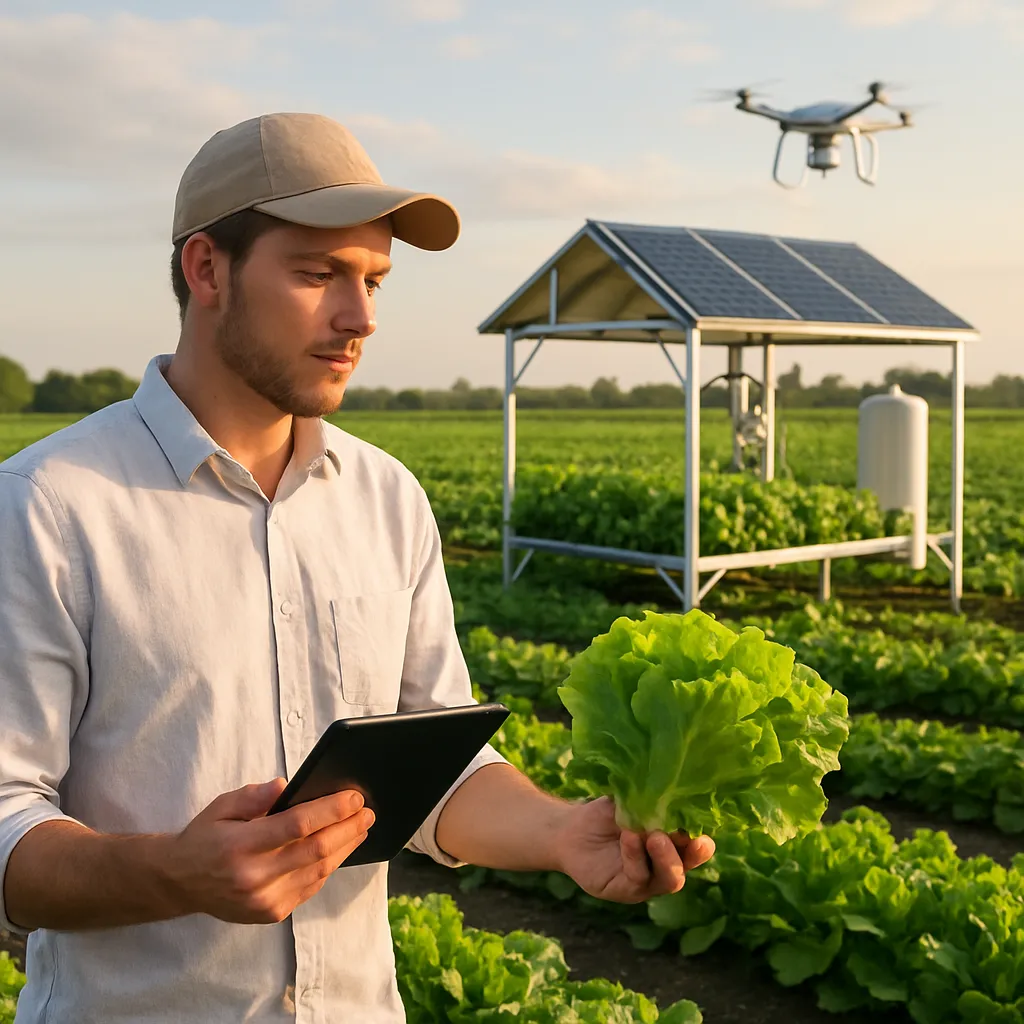
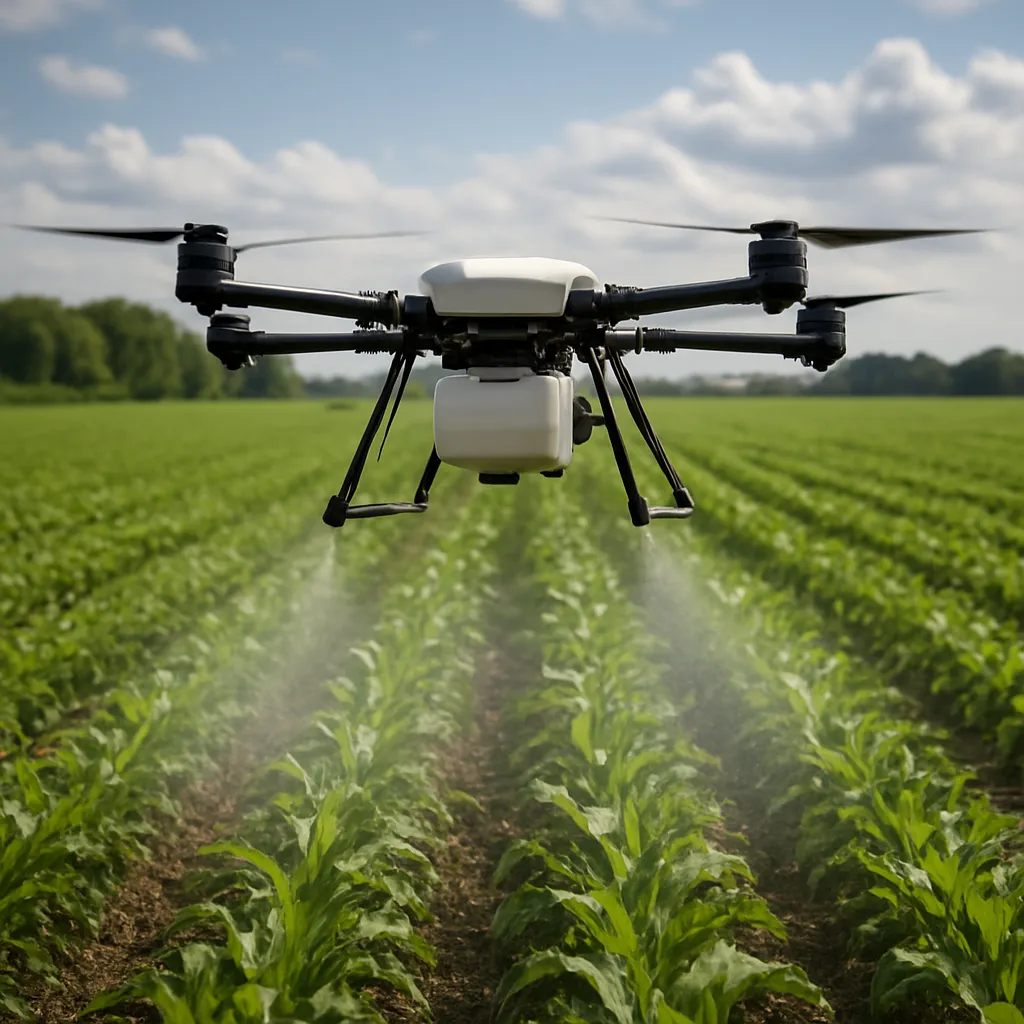
- Conduct thorough soil surveys using drone imagery and on-ground sampling to create detailed nutrient and moisture maps.
- Store and visualize historical performance data in cloud-based platforms for long-term trend analysis.
- Implement geo-fenced zones for targeted fertilization and variable-rate seeding to maximize resource utilization.
Maintenance and Calibration
- Regularly clean and inspect sensors, cameras and LiDAR units to prevent dust and debris accumulation.
- Schedule software updates to ensure the latest AI models and navigation algorithms are in use.
- Calibrate implements before each planting or harvesting season to maintain accurate precision in row spacing and depth control.
Operator Training and Safety Protocols
- Provide hands-on workshops for operators to familiarize themselves with autonomous controls and emergency overrides.
- Maintain a safety perimeter around operating machinery; use geofencing alerts to warn personnel of active zones.
- Establish clear communication channels for remote monitoring and manual intervention if anomalies are detected.
Challenges and Future Prospects
Overcoming Technical Hurdles
Despite rapid progress, challenges remain in extreme weather resilience, GNSS signal loss in dense tree cover, and interoperability between equipment brands. Engineers are working on multi-constellation satellite receivers and redundant communication links to enhance reliability. Integration standards and open APIs will be crucial for seamless coordination among tractors, harvesters and sprayers from different manufacturers.
Economic and Social Impacts
Adopting self-driving tractors requires substantial upfront investment. However, long-term gains include labor cost savings, better yield consistency and reduced input waste. Small and mid-sized farms can explore rental or co-op models to access advanced machinery without full ownership. Socially, as labor demands shift from brute force tasks to technical supervision, rural communities may need new training programs in innovation management and data analytics.
Toward a Sustainable Agricultural Ecosystem
The synergy between autonomous machinery and regenerative farming practices promises a more sustainability-focused future. Automated cover crop rollers, robotic weeders and precision irrigation systems will work in concert, fostering soil health and biodiversity. By harnessing technology to optimize resource use, farmers can achieve higher profitability while minimizing environmental impact.
Looking Ahead
As research continues, the next generation of farm machinery will push boundaries further. We can anticipate driverless combines, robotic fruit pickers and AI-guided aerial drones coordinating complex tasks. The convergence of innovation, data science and traditional agronomy will define the fields of tomorrow, ensuring global food security and farm resilience.