Agriculture is undergoing a dramatic transformation as innovators seek to eliminate chemical pesticides while maintaining high productivity. By leveraging advanced technologies, farmers can protect crops from pests and diseases, improve soil fertility, and ensure long-term viability. This article explores the most promising tech-driven solutions, highlights key agricultural tips, and offers practical guidance for cultivating a more resilient and sustainable food system.
Cutting-Edge Pest Management Technologies
Traditional pesticides have long posed risks to human health, wildlife, and the environment. Today’s breakthroughs are focused on non-chemical alternatives that harness data, automation, and biological agents to keep crops safe.
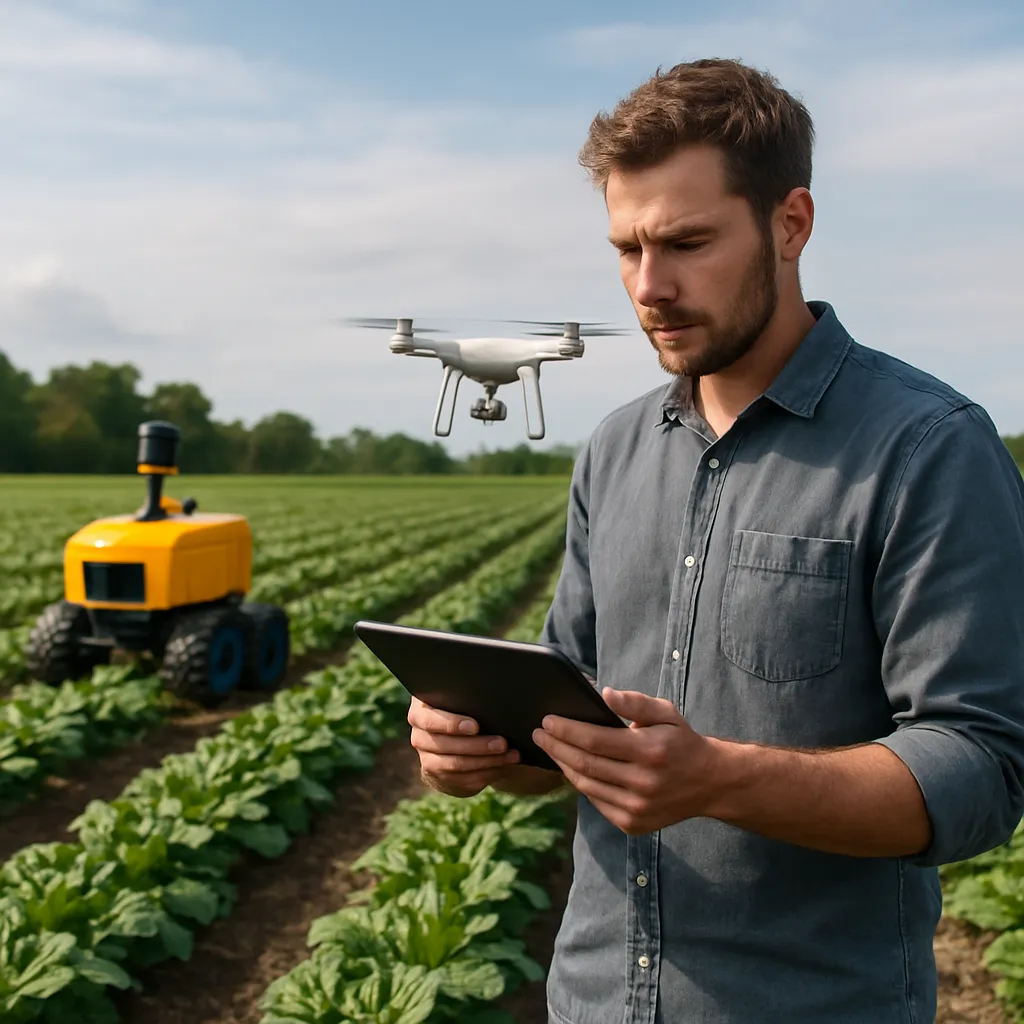
Drone-Based Pest Surveillance and Treatment
- High-resolution cameras mounted on drone platforms can detect early signs of infestation, such as wilting or discoloration, before they spread.
- Equipped with AI algorithms, these drones autonomously scan fields in real time, mapping hotspots and identifying pest patterns.
- Targeted micro-dosing systems allow drones to apply biopesticides or beneficial insects precisely where needed, reducing overall product use and environmental impact.
IoT Sensors and Artificial Intelligence
- Field-deployed sensors monitor microclimatic conditions—temperature, humidity, leaf moisture—creating a detailed health profile for each plot.
- Machine learning models analyze sensor data to predict pest outbreaks up to weeks in advance, enabling proactive measures rather than reactive spraying.
- Cloud-based dashboards provide farmers with actionable alerts, ensuring timely interventions and optimized labor allocation.
Biological Control Agents
- Biopesticides derived from bacteria, fungi, or plant extracts offer an ecological approach to pest suppression without residual toxicity.
- Predatory insects and parasitic wasps are bred and released to target specific pest species, establishing a natural resilience in the ecosystem.
- Innovations in microbial consortia enhance soil-born pest control by promoting beneficial microorganisms that outcompete harmful pathogens.
Soil Health and Precision Monitoring
Maintaining fertile, balanced soil is the foundation of any pesticide-free system. Recent tech advances enable farmers to track and manage soil properties with unprecedented accuracy.
Real-Time Soil Sensing
- Wearable probes measure nutrient levels (NPK), pH, and moisture at varying depths, delivering a subsurface profile for each field zone.
- Data from these probes feed into AI-driven nutrient management plans that recommend variable-rate fertilizer application, minimizing waste and runoff.
- Integration with weather forecasts allows adjustments for impending drought or heavy rain, autonomous systems can even control irrigation valves directly.
Remote Sensing and Satellite Imagery
- Multispectral and hyperspectral imaging from satellites or drones reveal stress signals invisible to the naked eye.
- Normalized Difference Vegetation Index (NDVI) maps correlate plant greenness with health, guiding targeted interventions.
- By linking these images with ground sensor data, farmers can implement precise zone management, boosting overall yield potential.
Cover Cropping and Microbial Enhancements
- Cover crops such as legumes or grasses protect bare soil, reduce erosion, and fix atmospheric nitrogen for subsequent cash crops.
- Advanced microbial inoculants tailored to local soil chemistry promote root growth and nutrient uptake.
- Rotational grazing systems integrate livestock to cycle organic matter back into the ground, enriching biological activity.
Advances in Plant Breeding and Genetic Innovations
Modern breeding techniques accelerate the development of pest-resistant, climate-adapted cultivars while avoiding traditional pesticide dependencies.
CRISPR and Gene Editing
- CRISPR-Cas9 enables precise edits in plant genomes, introducing traits such as drought tolerance, disease resistance, and enhanced nutrient use.
- Unlike transgenic methods, gene editing can produce plants indistinguishable from naturally occurring variants, easing regulatory approval.
- Field trials demonstrate that edited crops maintain high productivity without heavy chemical inputs, a milestone for biotechnology-driven agriculture.
Marker-Assisted Selection
- Genetic markers linked to desirable traits speed up breeding cycles by identifying promising seedlings at the lab stage.
- Breeders can pyramid multiple resistance genes into one variety, establishing multi-layered defense against diverse pest species.
- This method complements traditional crossbreeding, preserving local landrace characteristics while boosting performance.
Polygenic Resistance and Synthetic Biology
- Polygenic traits, controlled by multiple genes, offer durable resistance that pests struggle to overcome.
- Synthetic biology platforms design novel metabolic pathways in plants, enabling them to produce natural repellents or pest-deterring compounds.
- Such engineered plants reduce reliance on external inputs, embodying the vision of fully integrated, self-protected crops.
Sustainable Farm Practices and Actionable Tips
Adopting high-tech solutions goes hand in hand with age-old agronomic principles. Here are practical agriculture tips to maximize productivity and minimize environmental impact.
Diverse Crop Rotations and Intercropping
- Rotate cereals with legumes to break pest cycles, replenish nitrogen, and diversify on-farm revenue streams.
- Intercropping — e.g., corn with beans or sunflowers with oats — increases habitat complexity, naturally discouraging pests.
- Spatial patterns can be informed by yield maps and sensors, creating optimal planting schemes that boost system sustainability.
Automated Irrigation and Water Management
- Deploy soil moisture sensors connected to robotics-controlled valves for drip or micro-sprinkler systems.
- Use weather-adjusted algorithms to prevent overwatering, preserving precious freshwater resources.
- Combine with rainwater harvesting and recycled effluent to create a circular water economy on the farm.
Digital Traceability and Blockchain Integration
- Blockchain platforms record every step of the production chain, from seed to supermarket shelf, ensuring transparency.
- Consumers can verify that their produce meets organic or pesticide-free standards, adding value to farm output.
- Data-driven traceability reduces supply chain losses and strengthens trust between growers and buyers.
Community Engagement and Knowledge Sharing
- Local farmer networks facilitate on-the-ground trials of emerging technologies and share best practices.
- Workshops on drone operation, sensor calibration, and data interpretation empower smallholders to adopt precision methods.
- Collaborations with universities and startups keep farms at the cutting edge, fostering a culture of continuous innovation.