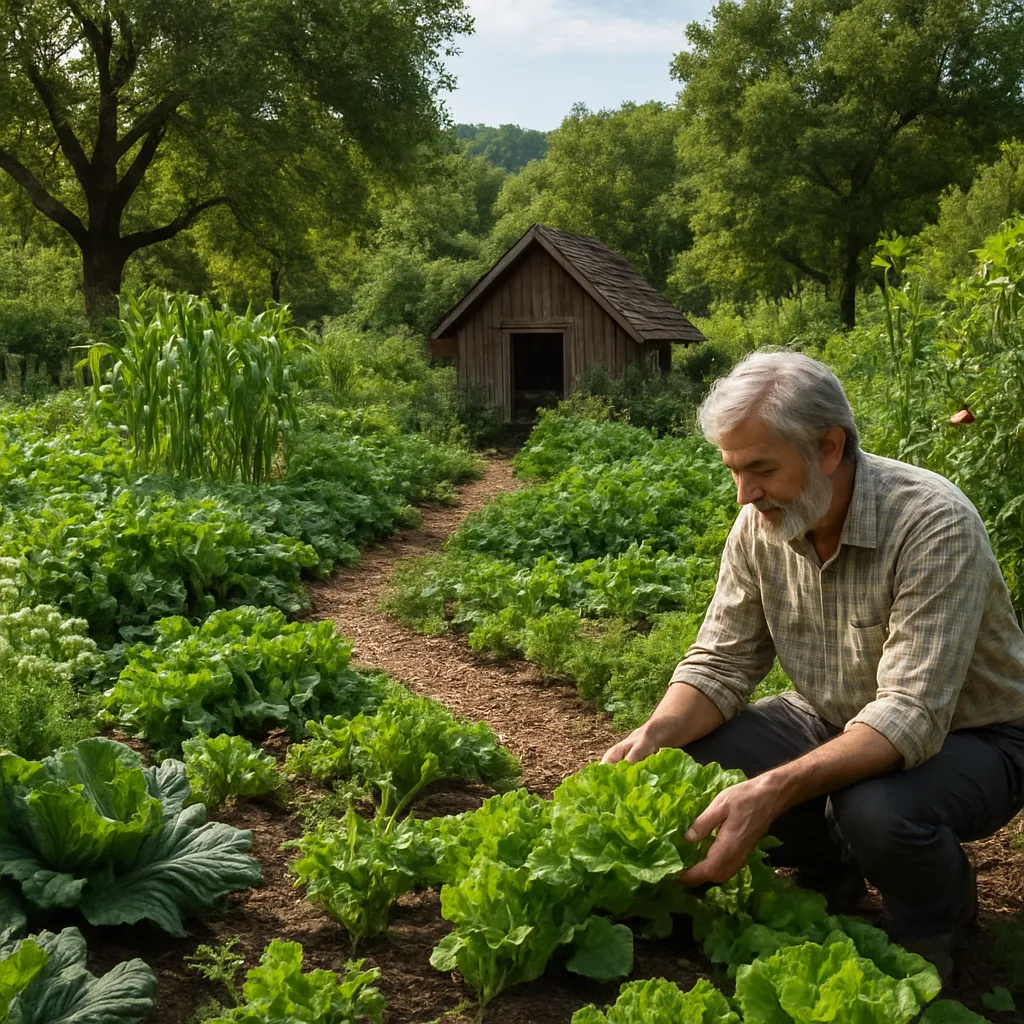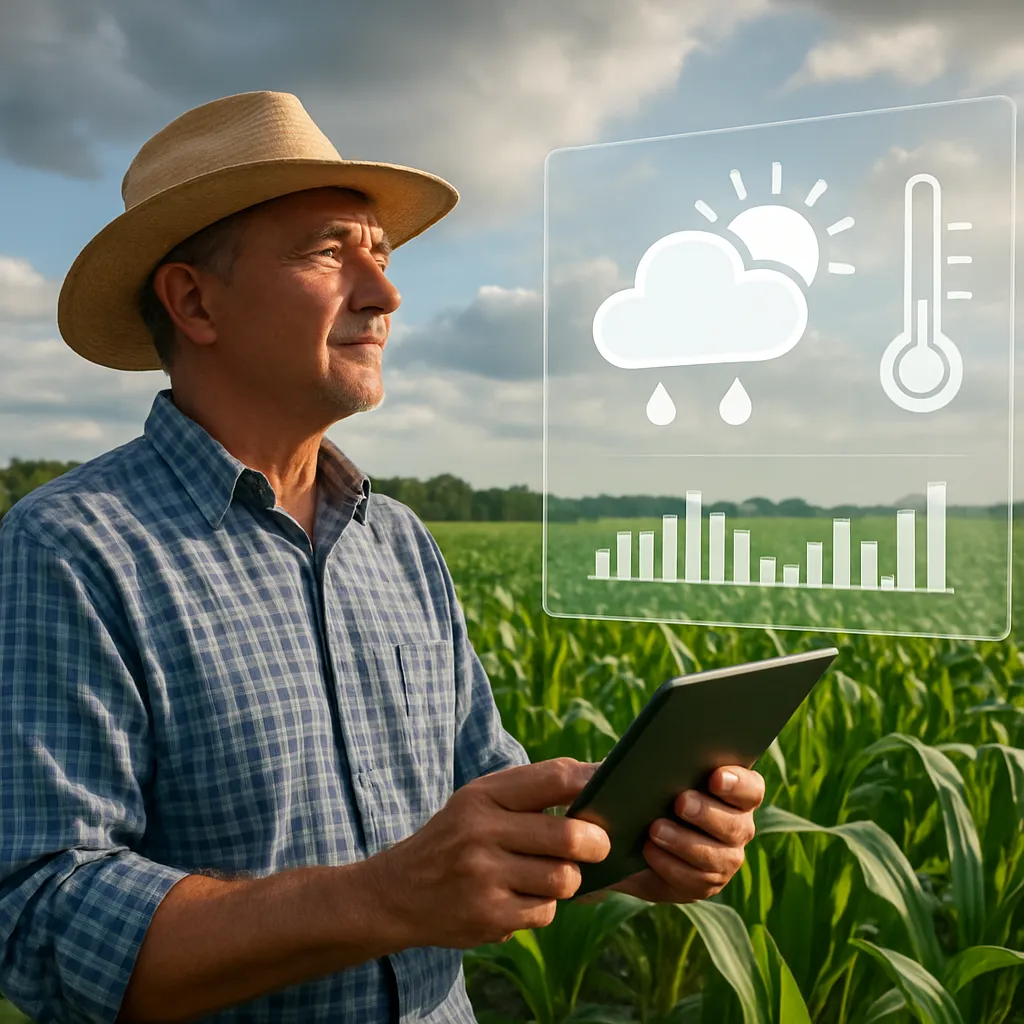
Smart weather forecasting has transformed modern agriculture by offering farmers the ability to anticipate environmental changes and make informed decisions. Through accurate predictions and timely alerts, growers can optimize resource allocation, protect crops from adverse conditions, and boost overall productivity. The integration of advanced forecasting techniques into farming routines not only enhances operational efficiency but also supports long-term sustainability and resilience against climate variability.
Advantages of Smart Weather Forecasting
Reliable short- and long-term forecasts empower farmers with actionable insights on temperature fluctuations, rainfall distribution, and extreme weather events. These benefits can be broken down into key areas:
- Precision scheduling: Aligning planting and harvesting times with optimal weather windows reduces crop stress and maximizes yield.
- Disease and pest prediction: Early warnings about humidity spikes or prolonged wet periods help preempt outbreaks of fungal diseases and pest invasions.
- Risk management: Insurance claims and contingency plans become more robust when based on scientifically modeled weather scenarios.
- Resource optimization: Tailoring fertilizer applications or adjusting irrigation intervals to predicted rainfall conserves water and reduces input costs.
- Market timing: Understanding seasonal trends allows producers to schedule product availability when prices are favorable, enhancing profitability.
Implementing Practical Solutions on the Farm
Translating forecast data into on-ground actions requires a strategic approach. Farmers can adopt several methods to ensure that predictions lead to tangible improvements in daily operations.
Soil Moisture Monitoring and Irrigation Control
Combining weather forecasts with soil sensors enables dynamic irrigation management. For instance, if rain is predicted within 24 hours, automated irrigation systems can delay an upcoming cycle, conserving water and preventing leaching:
- Install soil probes at multiple depths to track moisture changes.
- Integrate sensor readings with forecast-based algorithms to adjust flow rates.
- Set thresholds for pump activation only when soil moisture falls below critical levels.
Pest Management Scheduling
Pests and diseases often thrive under specific conditions. By monitoring forecast parameters—like temperature, leaf wetness duration, and wind patterns—farmers can:
- Plan targeted pesticide applications ahead of high-risk periods.
- Minimize chemical usage by treating only when environmental factors align with pest life cycles.
- Reduce crop losses while enhancing ecosystem sustainability and minimizing pesticide resistance development.
Integrating Technology and Data Analytics
Modern agriculture leverages a suite of digital tools that synergize with smart forecasting, creating a holistic farm management ecosystem. Key technologies include:
Internet of Things (IoT) Devices
- Networked weather stations measure local temperature, humidity, wind speed, and solar radiation in real time.
- Edge computing units process raw sensor data to generate instant alerts for frost risk or heat stress.
- Cloud platforms aggregate farm-level data and regional model outputs to refine forecast accuracy.
Unmanned Aerial Vehicles (Drones)
- High-resolution aerial imagery identifies stress zones caused by drought or flooding.
- Thermal cameras detect uneven canopy temperatures, indicating irrigation inefficiencies or disease hotspots.
- Automated flight plans adapt to weather warnings, ensuring safe data collection without risking equipment.
Machine Learning and Predictive Models
Advanced analytics platforms use historical weather records, soil properties, and crop phenology to train models that forecast site-specific outcomes. These systems can:
- Predict optimal planting dates with a margin of error of just a few days.
- Estimate water requirements across different growth stages, boosting efficiency.
- Forecast market supply based on predicted yields, supporting strategic planning.
Actionable Tips for Farmers
To maximize the impact of smart forecasting tools, producers should follow these guidelines:
- Subscribe to multiple data sources: Combine regional meteorological services with specialized agri-weather providers for a comprehensive outlook.
- Cross-validate forecasts: Compare short-term and seasonal predictions to identify consistent trends and reduce uncertainty.
- Invest in user-friendly dashboards: Visual interfaces that integrate forecasts with on-farm sensor data accelerate decision-making.
- Train staff: Ensure that field teams understand how to interpret weather alerts and adjust operations accordingly.
- Document outcomes: Record weather conditions, interventions, and harvest results to refine your custom prediction models over time.
- Engage in peer networks: Share experiences with other growers to learn best practices and discover emerging tools.
Future Prospects in Agricultural Forecasting
Ongoing innovations promise even greater synergy between weather science and farming practices. Upcoming developments include:
- Hyperlocal forecasting models with resolutions under 100 meters, delivering pinpoint accuracy for microclimates.
- AI-driven advisory services that generate crop-specific recommendations by merging satellite imagery, soil data, and real-time weather inputs.
- Fully automated agribots that can adjust planting depth, seeding density, and harvest timing in response to dynamic weather cues.
- Blockchain-backed data sharing platforms safeguarding farmer-owned weather and yield records while enabling transparent traceability.
By harnessing the power of smart weather forecasting alongside cutting-edge technologies, farmers can build more resilient, productive, and sustainable agricultural systems. Strategic implementation of these tools not only optimizes resource use but also strengthens food security and economic stability for rural communities worldwide.