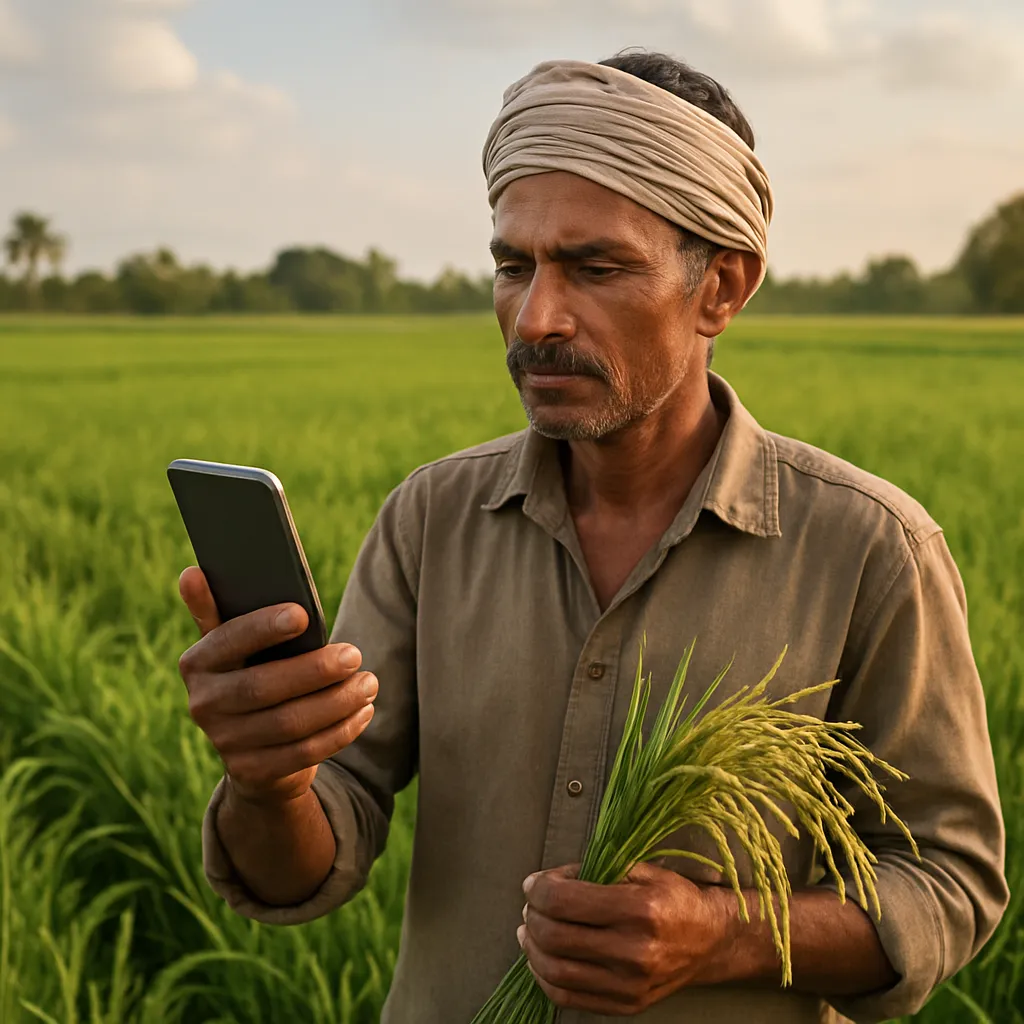
Over the past decade, a wave of technological innovation has swept across farming communities around the globe. From smallholder plots in Latin America to large-scale operations in Australia, cultivators are leveraging data-driven tools to monitor soil health, manage water resources, and anticipate market demands. Among these innovations, mobile applications stand out for their accessibility and impact, empowering farmers to transform traditional practices into digitally optimized workflows. By integrating field data, remote sensing imagery, and predictive analytics into a handheld device, growers can make informed decisions at the right moment, boosting both efficiency and resilience.
With smartphones and tablets now commonplace even in rural areas, agriculture has entered an era of unprecedented connectivity. Developers have crafted apps that cater to every stage of the crop cycle—from seed selection and soil testing to harvesting schedules and post-harvest logistics. This digital revolution not only streamlines operations for established agribusinesses but also opens doors for smallholder farmers who once lacked access to timely information.
In the following sections, we explore several categories of agricultural apps and practical advice on how to integrate them seamlessly into daily farm routines. Whether you aim to optimize input use, mitigate risks from weather and pests, or expand your market reach, there is likely an app designed to address your specific needs.
Mobile Platforms for Precision Farming
Precision agriculture has evolved from a concept into a mainstream practice, thanks largely to mobile tools that allow growers to apply seeds, fertilizers, and water exactly where they are needed. By combining GPS mapping with sensor data, these apps enable variable rate applications of inputs, reducing waste and enhancing efficiency. Farmers can draw custom field boundaries, upload soil test results, and generate prescription maps within minutes.
Leading platforms like FarmLogs, Agro-op, and Granular offer cloud-based dashboards where users visualize nutrient levels, moisture content, and crop performance across different zones. Integration with Bluetooth-enabled soil probes and drone imagery provides a multi-layered perspective on field conditions. As a result, growers can identify underperforming areas early and take corrective action before small issues become large setbacks.
Beyond inputs, precision apps often include modules for machinery tracking and maintenance scheduling. By logging engine hours, fuel consumption, and service alerts, these systems help extend equipment life and prevent costly breakdowns at critical stages like planting or harvest.
Over time, the accumulation of historical field data helps refine planting strategies and estimate annual yields with greater accuracy. Farmers who adopt these tools report up to 20% increases in output and significant reductions in chemical usage, underscoring the value of a precision-oriented approach.
Essential Tips for Precision Farming
- Calibrate GPS units regularly to maintain mapping accuracy across seasons.
- Sync sensor data daily to capture subtle shifts in soil moisture and nutrient levels.
- Validate prescription maps with on-the-ground checks before large-scale application.
- Archive past field data to build reliable predictive models for next season.
- Train operators on app dashboards to ensure consistent data entry and interpretation.
Weather Forecasting and Pest Management Apps
Accurate weather information is critical for planning irrigation, spraying, and harvesting. Mobile apps like AgroMet, Climacell, and AccuWeather’s agricultural module deliver hyperlocal forecasts down to the farm level. By combining radar data, satellite imagery, and weather station inputs, these services generate tailored alerts for frost, drought, heavy rain, or hail.
In parallel, pest and disease identification apps such as Plantix, iSpector, and PestNet harness machine learning to diagnose issues from leaf photographs. Farmers simply snap a picture of suspicious spots or insect damage, and the app compares it against a growing database of known pathogens and pests. Within seconds, users receive treatment recommendations and prevention guidelines.
Some integrated platforms now blend weather and pest data to predict outbreak risks. By analysing humidity, temperature, and crop stage, these apps forecast the likelihood of fungal infections or insect invasions, enabling preemptive action rather than reactive spraying. This proactive stance conserves both time and chemical inputs.
Feedback loops built into these apps encourage growers to report field outcomes after treatment, enriching the system’s accuracy over time. Community contributions help refine models and deliver reliable advisories to a broader user base.
Smart Pest Management Tips
- Capture clear, well-lit images for more accurate pest identification.
- Combine app alerts with manual scouting to confirm infestation levels.
- Rotate chemical families according to app recommendations to curb resistance.
- Record treatment dates and outcomes within the app for future reference.
- Share localized findings with neighboring farms to build collective vigilance.
Market Access and Financial Tools
Beyond production, mobile platforms are reshaping how farmers buy inputs and sell their harvest. E-commerce apps such as AgroMall and e-Choupal link producers directly with suppliers and retailers, bypassing traditional middlemen. Real-time price feeds, transaction histories, and digital wallets streamline payments and improve transparency.
On the financial side, fintech solutions like Tulaa, FarmDrive, and Hello Tractor offer microloans, insurance, and leasing options tailored to agrarian needs. By analyzing mobile transaction records, weather data, and crop plans, these platforms can underwrite small loans at competitive rates, even in underserved regions. Mobile-based insurance schemes leverage satellite imagery to verify claims quickly, reducing the lag between a loss event and reimbursement.
Similarly, blockchain-enabled marketplaces are emerging to guarantee traceability and quality assurance for premium crops. Farmers can register their produce on a distributed ledger, providing buyers with immutable records of origin, chemical usage, and transport conditions. This level of yield traceability attracts niche markets and often commands higher prices.
As these digital financial services mature, more farmers gain access to capital, empowering them to invest in seeds, machinery, or storage facilities that were once financially out of reach.
Best Practices for Digital Finance
- Maintain up-to-date transaction records to support loan applications.
- Review insurance policy terms in-app and note claim submission deadlines.
- Assess marketplace fees and delivery responsibilities before listing produce.
- Link multiple crops or seasons in one portfolio to diversify credit risk.
- Participate in platform training sessions to understand digital payment flows.
Knowledge Sharing and Community Networks
Peer-to-peer learning has always been at the heart of farming communities. Mobile apps now facilitate these exchanges across continents. Platforms like WeFarm, Agronow, and FarmSmart connect growers through chat, video tutorials, and moderated forums. Users ask questions, share photos, and receive expert advice within hours instead of days or weeks.
Virtual field days, hosted via live streaming, allow farmers to showcase innovative practices to hundreds of viewers in real time. Extension agents and agronomists can demonstrate pruning techniques, irrigation setups, or post-harvest handling procedures remotely. Archived webinars form an ever-growing library of best practices accessible on demand.
Localization features ensure that content is delivered in the user’s language and cultural context. Whether it’s rice cultivation in Southeast Asia or millet farming in Africa, communities build knowledge bases reflecting regional priorities and constraints.
By fostering collaborative networks, these apps cultivate a sense of global solidarity among farmers, dismantling the isolation often experienced in remote areas.
Building a Collaborative Network
- Join multiple community groups to compare practices across regions.
- Contribute field reports and success stories to encourage peer learning.
- Schedule regular virtual meetups to discuss seasonal challenges.
- Tag posts with crop type and location for easier content discovery.
- Respect platform guidelines to maintain a constructive environment.
Integrating IoT and Agro-Robotics
As connectivity improves, the intersection of mobile apps with Internet of Things (IoT) devices and robotics is creating a new frontier in smart agriculture. Soil moisture sensors, weather stations, and automated sprayers can all be monitored and controlled through unified apps. Growers receive alerts when moisture levels fall below a critical threshold or when nutrient imbalances are detected, triggering automated irrigation or fertilization routines.
Robotic platforms, ranging from autonomous weeders to drone sprayers, are increasingly programmable via smartphone interfaces. Farmers can designate no-spray zones, set flight paths, and adjust nozzle pressure—all from a handheld device. This level of automation minimizes labor costs and maximizes application accuracy, supporting both environmental goals and operational budgets.
Data streams from these devices feed back into centralized dashboards, where machine learning algorithms analyze performance metrics. Over time, the system recommends adjustments, such as optimal planting density or application timing, based on past results and predictive weather models.
Actionable IoT Tips
- Ensure all sensors are properly calibrated and waterproofed before installation.
- Use secure network connections to prevent external tampering.
- Update device firmware regularly to access new features and security patches.
- Cross-validate sensor readings with manual checks to detect malfunctions early.
- Leverage historical IoT data to fine-tune automated routines each season.