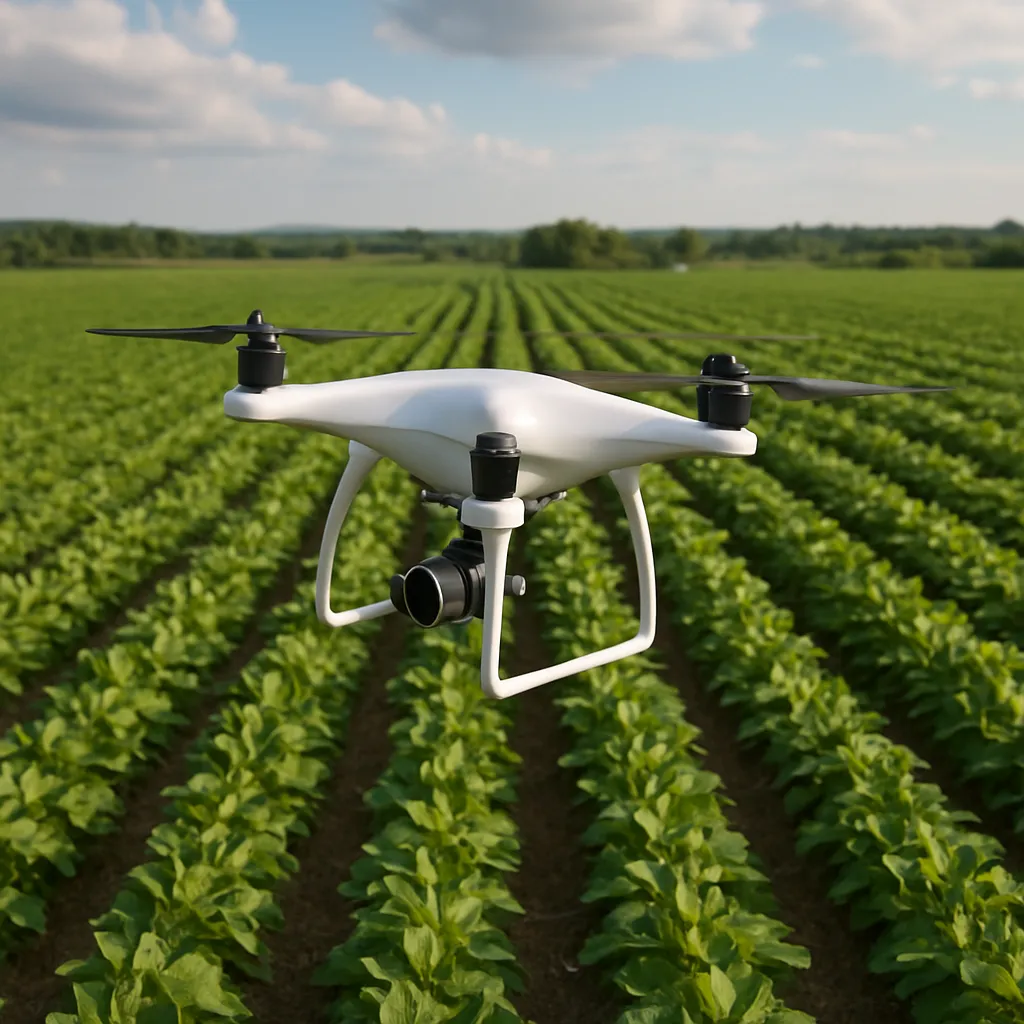
Agriculture is undergoing a remarkable shift as modern technology reshapes traditional farming practices. Among the most transformative tools, the integration of drone systems into crop management has opened new horizons for growers worldwide. By combining high-resolution imagery, advanced sensors, and real-time data processing, farmers can boost productivity, optimize resource use, and foster sustainability from planting to harvest.
The Rise of Precision Agriculture
Precision agriculture emerges from the need to deliver the right input, in the right amount, at the right time, and in the right place. This approach counters blanket strategies that often result in resource waste. At the core of this paradigm is the use of unmanned aerial vehicles (UAVs), or drones, equipped with multispectral and thermal cameras. These devices capture detailed images that reveal variations in plant health, soil moisture, and pest infestations before they become visible to the naked eye.
By harnessing data from drone flights, farmers gain insights into field conditions at a level of granularity previously unimaginable. NDVI (Normalized Difference Vegetation Index) maps, generated through sensor readings, indicate vegetation vigor and chlorophyll content. This information helps agronomists identify underperforming areas and tailor interventions accordingly, boosting overall yield while conserving water, fertilizers, and pesticides.
The shift toward precision agriculture also relies on robust software platforms. Cloud-based analytics tools process terabytes of aerial data, automating tasks like field segmentation and anomaly detection. This seamless integration of hardware and software contributes to enhanced decision-making and greater operational efficiency.
Benefits of Drone-Based Crop Monitoring
Farmers embracing drone technology reap an array of benefits that extend beyond mere convenience. Key advantages include:
- Timely Insights: High-frequency flights enable near-instant updates on crop status, allowing for quick responses to stress factors such as drought, disease, or nutrient deficiencies.
- Cost-Effective Scouting: Deploying a drone is often cheaper than manned aircraft or ground surveys, especially for large or hard-to-reach fields.
- Reduced Input Waste: Targeted application of inputs based on precise maps minimizes overuse of chemicals and fertilizers, cutting costs and environmental impact.
- Improved Risk Management: Early detection of issues like pest hotspots helps avert potential outbreaks and yield losses.
- Enhanced Record-Keeping: High-resolution imagery and geotagged data create a reliable historical archive, vital for compliance, certifications, and long-term planning.
In addition, drone-based monitoring supports sustainable farming by reducing carbon footprints and preserving soil health. As a result, stakeholders—from smallholders to large agribusinesses—can demonstrate environmental stewardship and meet stringent market standards.
Practical Tips for Implementing Drone Technology
Integrating drones into an existing agricultural operation requires thoughtful planning and execution. Consider these actionable recommendations:
- Assess Farm Needs: Define clear objectives—whether it’s improving irrigation management, pest surveillance, or yield forecasting—to select the appropriate UAV platform and sensors.
- Choose the Right Equipment: Match drone payloads (multispectral, RGB, thermal) with desired outcomes. Lightweight, fixed-wing UAVs excel over large tracts, while quadcopters offer maneuverability for detailed inspections.
- Ensure Regulatory Compliance: Familiarize yourself with national and regional aviation regulations, including flight permissions, altitude restrictions, and privacy laws.
- Train Personnel: Invest in operator certification and safety training. Skilled pilots can maximize data quality, minimize flight errors, and extend drone longevity.
- Optimize Flight Planning: Use mission-planning software to define flight paths, overlap percentages, and altitude settings. Consistent flight parameters lead to comparably accurate time-series analyses.
- Leverage Analytics Platforms: Partner with service providers or adopt cloud-based solutions that automate orthomosaic generation, crop health scoring, and geospatial analytics.
- Integrate with Other Systems: Combine drone-derived insights with soil sensors, weather stations, and farm management systems for a holistic view of field performance.
- Budget for Maintenance: Allocate funds for spare parts, battery replacements, and software subscriptions to sustain uninterrupted operations.
Emerging Trends in Agricultural Technology
Beyond crop monitoring, the convergence of robotics, artificial intelligence, and biotechnology is setting the stage for the next agricultural revolution. Some notable developments include:
- Autonomous Ground Vehicles: Robots capable of selective weeding and precision spraying, reducing labor demands and chemical use.
- AI-Driven Analytics: Machine learning algorithms that predict yield, identify optimal planting dates, and suggest nutrient regimes tailored to microclimates.
- Blockchain Traceability: Secure, transparent supply chains enabling end-to-end tracking of produce—from seed genetics through on-farm production to consumer shelves.
- Gene Editing and CRISPR: Innovations aimed at developing climate-resilient and disease-resistant crop varieties.
- Internet of Things (IoT) Networks: Connected sensors monitoring soil moisture, temperature, and humidity, feeding real-time alerts to farmers via mobile apps.
As these technologies mature, the emphasis on scalability and cross-platform interoperability will intensify. Collaboration between tech developers, agronomists, and growers is essential to customize solutions for diverse cropping systems and geographic conditions. Ultimately, the combination of drone scouting, data-driven analytics, and precision inputs heralds a new era of innovation in farming—one that prioritizes productivity, resource conservation, and resilience against evolving environmental challenges.