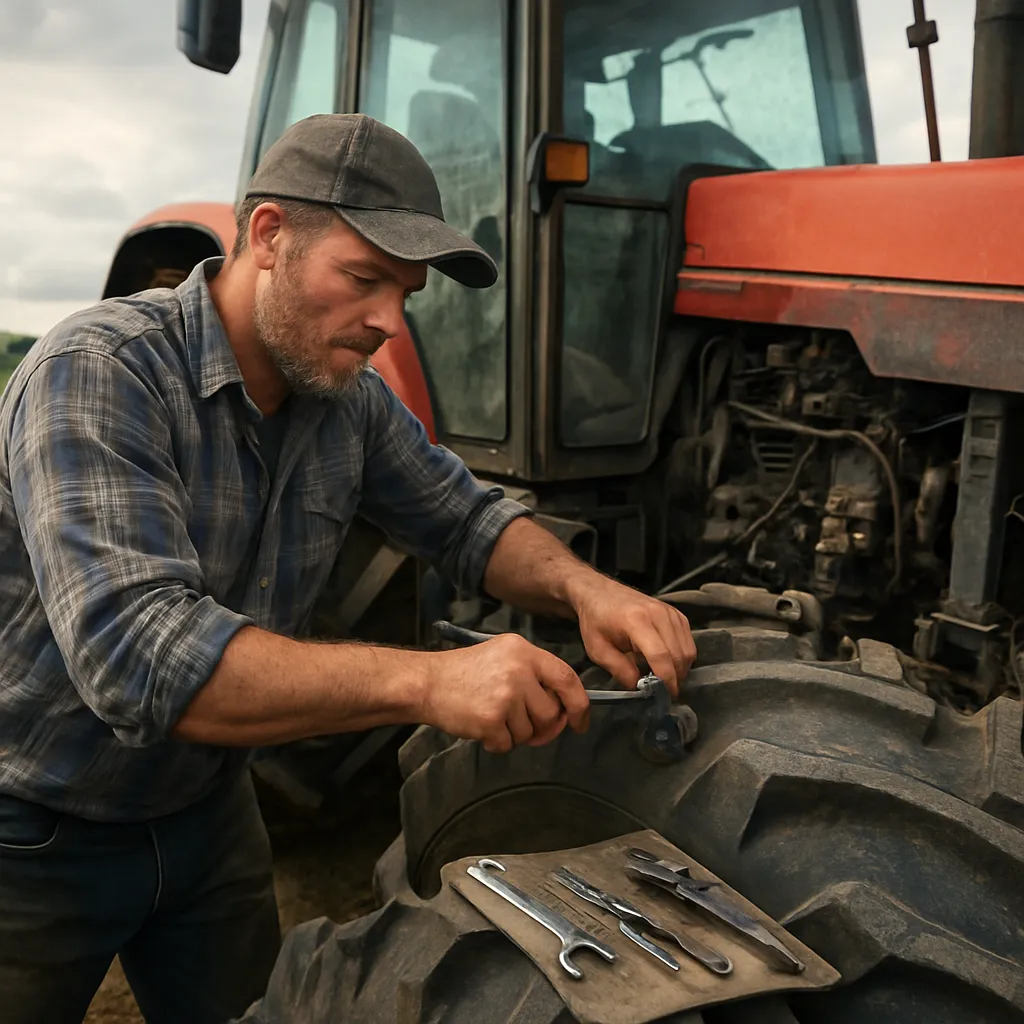
Across sprawling fields and rolling plains, the heartbeat of modern agriculture lies in the proper care of farm equipment. Farmers who invest time and knowledge into routine equipment check-ups unlock greater yields, lower expenses, and smoother operations. This article delves into the critical role of machinery upkeep, offers practical agricultural tips, and explores sustainable strategies that can transform every season into a success story.
Efficient Equipment as the Backbone of Modern Farming
Farmers depend on machinery to prepare soil, plant seeds, apply fertilizers, harvest crops, and manage livestock. A single breakdown during peak season can halt operations, erode profits, and strain farmhands. Prioritizing regular maintenance not only prevents unexpected downtime, it also drives up overall efficiency and ensures that every investment is maximized.
Role of Machinery in Boosting Productivity
The integration of tractors, combines, planters, and sprayers enables farmers to cultivate larger areas in less time. Advanced automation systems regulate planting depths, seed spacing, and fertilizer application, all contributing to higher productivity. Keeping engines tuned, filters clean, and belts aligned preserves the precision that modern agriculture demands.
Economic Impact of Proper Upkeep
A well-planned maintenance schedule reduces fuel consumption, prevents costly emergency repairs, and extends the service life of expensive components. Farmers who track repair histories and parts replacement can forecast budgets more accurately. This financial clarity promotes cost-effectiveness and shields operations from sudden capital outlays.
Essential Maintenance Practices for Longevity
Implementing a standardized set of procedures ensures that no critical task goes unnoticed. Below are key practices every operator should follow:
- Regular Inspection Schedules: Check fluid levels, tire pressure, hydraulic hoses, and electrical connections before and after each use.
- Lubrication and Fluid Management: Use manufacturer-recommended oils and greases to reduce friction and prevent component wear.
- Cleaning and Storage: Remove soil, crop residues, and corrosive fertilizers after work. Store machinery in a sheltered area to avoid rust and UV damage.
Implementing Inspection Checklists
Create a customized checklist that covers every machine on the farm. Assign staff to tick off items such as:
- Engine oil and hydraulic fluid levels
- Air and fuel filter condition
- Drive belts and chains for tension
- Cooling system hoses for cracks or leaks
Best Practices for Cleaning and Storage
Utilize pressure washers to clear caked-on dirt but avoid directing high-pressure streams at sensitive seals. After cleaning, apply protective coatings or wax to painted surfaces. Elevate heavy equipment off ground moisture, and run engines briefly under shelter to ensure no condensation settles in fuel lines.
Advanced Tips and Sustainable Approaches
As environmental concerns grow, integrating green methods into maintenance routines can enhance sustainability without sacrificing performance. Farmers can adopt the following strategies:
Diagnostic Technologies and Predictive Maintenance
IoT sensors and telematics systems collect real-time data on engine temperature, vibration levels, and fuel consumption. By analyzing this information, operators can spot anomalies before failures occur. This diagnostics-driven approach transforms reactive repairs into proactive solutions.
Eco-Friendly Maintenance Products
Biodegradable lubricants and non-toxic cleaning agents help protect soil and water supplies. When selecting products, look for certifications that confirm reduced environmental impact. Proper disposal of used oils and filters also prevents contamination and aligns with regulations.
Training and Skill Development
Well-trained technicians improve equipment reliability and enhance on-farm safety. Host workshops on:
- Advanced troubleshooting techniques
- Correct torque specifications for fasteners
- Proper handling of batteries and electrical systems
Knowledgeable teams not only react faster to issues but also suggest innovations that boost overall system performance.
Maximizing Lifespan and Return on Investment
Every piece of equipment represents a significant financial commitment. To secure a strong return on investment, consider these additional guidelines:
- Document all maintenance activities in a digital logbook for future reference and warranty claims.
- Rotate equipment usage to balance wear and tear across different units.
- Schedule professional inspections at the end of each growing season to catch hidden problems.
- Upgrade older machines with modern attachments that improve innovation and versatility.
- Conduct seasonal calibration of spraying equipment to ensure uniform chemical application.
- Install protective guards around moving parts to enhance safety and comply with industry standards.
Key Takeaways for Farmers
- Adopt a systematic maintenance regimen to prevent breakdowns.
- Invest in staff training to unlock higher performance and reduced repair costs.
- Use technology-driven insights to plan maintenance around actual machine health.
- Select environmentally friendly products to support long-term farm viability.
- Monitor costs and benefits to maintain cost-effectiveness across all operations.


