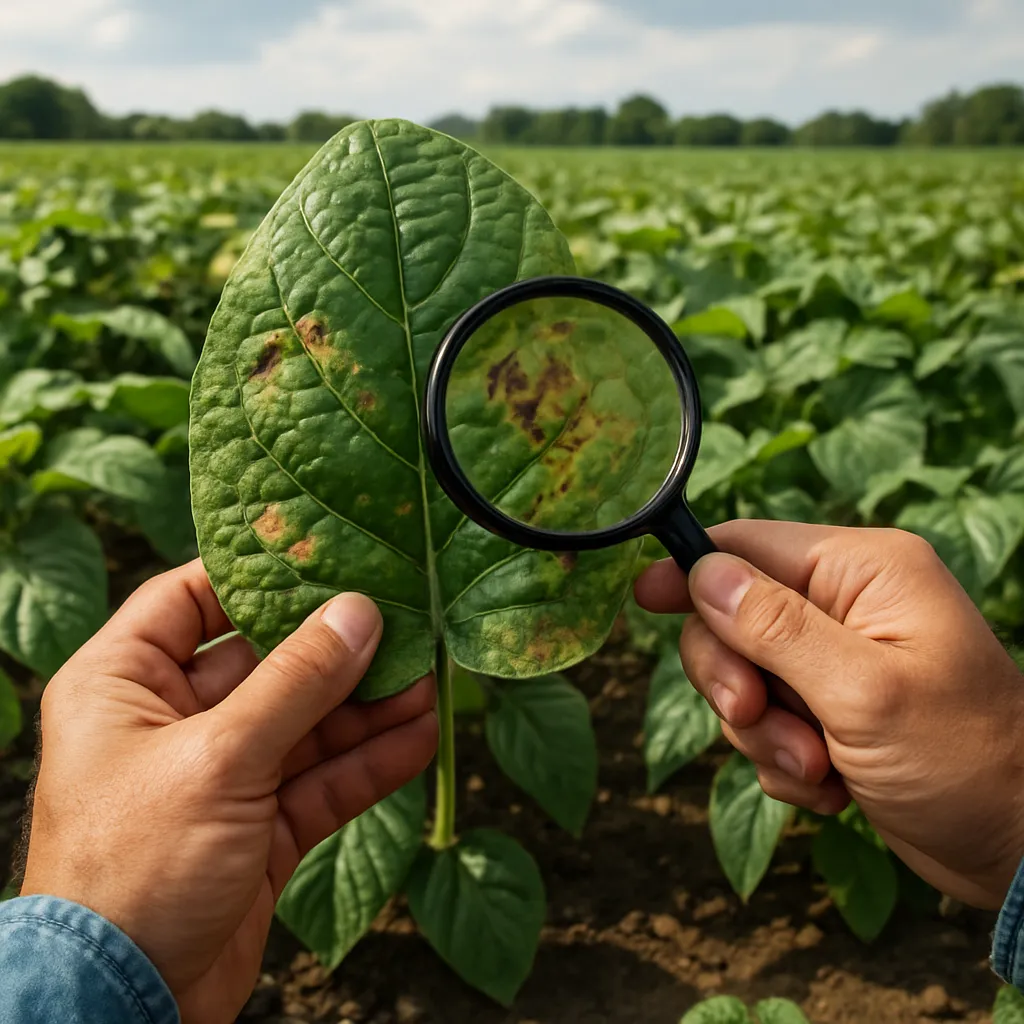
The Importance of Early Disease Detection in Crops explores how proactive measures and informed strategies can safeguard agricultural productivity and foster long-term farm resilience. Emphasizing timely intervention, this article outlines practical advice, proven techniques, and cutting-edge solutions that empower growers to maintain robust plant health and optimize yields.
Understanding the Stakes: Why Timely Intervention Matters
Recognizing the value of early identification of plant ailments is critical for preserving field performance and economic viability. Left unchecked, many fungal, bacterial, and viral agents can rapidly spread across acres, undermining the entire season’s efforts. By prioritizing swift disease surveillance, producers can curtail losses, reduce input costs, and protect the environment from excessive chemical applications. Below are key factors that highlight the urgency:
- Rapid Pathogen Proliferation: Certain fungi and bacteria double their population in a matter of days, threatening wide-ranging damage.
- Yield Impact: Even minor infections at the seedling stage can lead to significant deficits at harvest time.
- Input Efficiency: Targeted treatments applied at the first sign of infection tend to be more effective and less costly than blanket approaches.
- Market Access: High-quality, disease-free produce supports premium pricing and maintains buyer confidence.
By acknowledging these stakes, farmers and agronomists can adopt a preventative mindset that emphasizes constant vigilance over reactive responses.
Practical Tips for Crop Monitoring and Management
Field Scouting Protocols
Implementing routine inspections enables growers to spot issues before they escalate. A well-structured scouting plan involves:
- Regular Intervals: Visit each block at least once a week, adjusting frequency during high-risk periods (e.g., wet weather).
- Systematic Routes: Divide fields into zones and follow a zig-zag or “W” pattern to ensure representative coverage.
- Detailed Record-Keeping: Note symptoms, pest populations, and environmental conditions in a digital log or paper chart.
Consistent monitoring provides the data necessary to make informed management decisions, ensuring that intervention thresholds are based on solid observations rather than guesswork.
Visual and Symptom-Based Detection
Certain diseases manifest through characteristic signs that even less experienced personnel can learn to identify. Key indicators include:
- Leaf Spotting: Discoloration, necrotic patches, or concentric rings may signal fungal invasion.
- Wilting and Chlorosis: Yellowing or drooping foliage often points to vascular infections or nutrient deficiencies.
- Stem Lesions: Cankers, galls, or stickiness around the base could indicate bacterial rot or insect access points.
Combining visual cues with environmental data—humidity, soil moisture, and temperature—enhances diagnostic accuracy and expedites management measures.
Advancements in Detection Technology and Integrated Strategies
Innovation in sensor design, data analytics, and remote platforms is revolutionizing how farmers detect and respond to threats. From handheld devices to aerial drones, a spectrum of tools now facilitates real-time alerts and precision treatments.
Remote Sensing and Drone Surveillance
High-resolution imagery captured by drones can reveal subtle stress patterns that escape the naked eye. These systems typically employ multispectral or thermal sensors to detect variations in leaf temperature, chlorophyll content, and canopy structure. Benefits include:
- Large-Scale Coverage: Quickly survey extensive tracts without exhaustive manual effort.
- Early Stress Detection: Identify hot spots where plants deviate from baseline vigor before symptoms become overt.
- Optimized Interventions: Generate treatment maps that target only affected areas, reducing chemical usage.
Integrating remote sensing with farm management software supports data-driven decisions and helps track long-term trends in crop health.
On-Site Diagnostic Tools
Portable diagnostic kits and handheld meters allow rapid in-field testing for specific pathogens and physiological changes. Common technologies include:
- qPCR Devices: Amplify genetic material of fungi or bacteria to confirm infections with high specificity.
- Immunostrip Tests: Use antibodies to detect viral particles or toxin markers within minutes.
- Leaf Chlorophyll Meters: Gauge photosynthetic efficiency as a proxy for overall plant vigor.
Such tools empower agronomists to verify suspected cases instantly, ensuring that corrective action is both timely and accurate.
Holistic Approaches for Sustainable Crop Health
Combining cultural, biological, and chemical tactics within an integrated framework fosters robust systems that resist disease pressure while minimizing environmental impact. Key elements of this methodology include:
- Crop Rotation: Alternating non-host species to break pathogen life cycles and reduce soilborne inoculum.
- Resistant Varieties: Selecting cultivars bred for heightened resilience to common pathogens.
- Biocontrol Agents: Introducing beneficial microbes that compete with or antagonize harmful organisms.
- Precision Nutrition: Applying nutrient amendments based on soil test recommendations to bolster plant defenses.
When these components function in concert, growers achieve healthier canopies, reduced reliance on synthetic inputs, and improved long-term viability.
Fostering a Preventative Mindset
A proactive stance—centered on continuous learning and adaptive management—serves as the cornerstone of effective disease control. Encouraging collaboration among agronomists, pathologists, and farm operators ensures that emerging threats are monitored and best practices evolve accordingly.
Embracing the Future: Data-Driven Resilience
The convergence of big data, machine learning, and Internet of Things (IoT) connectivity promises to elevate disease detection from reactive to predictive. Farms of the future will harness:
- Predictive Modeling: AI algorithms that forecast outbreak likelihood based on weather patterns and historical records.
- Sensor Networks: Soil and microclimate probes communicating in real time to flag conditions favorable to pathogen development.
- Automated Alerts: Mobile notifications that prompt immediate scouting visits or targeted treatments upon anomaly detection.
By adopting these innovations, agricultural stakeholders stand to increase productivity, reduce waste, and reinforce the sustainability of food production systems worldwide. Embracing precision tools and an integrated approach ensures that every ounce of effort contributes to thriving, disease-free fields and a more secure global food supply.