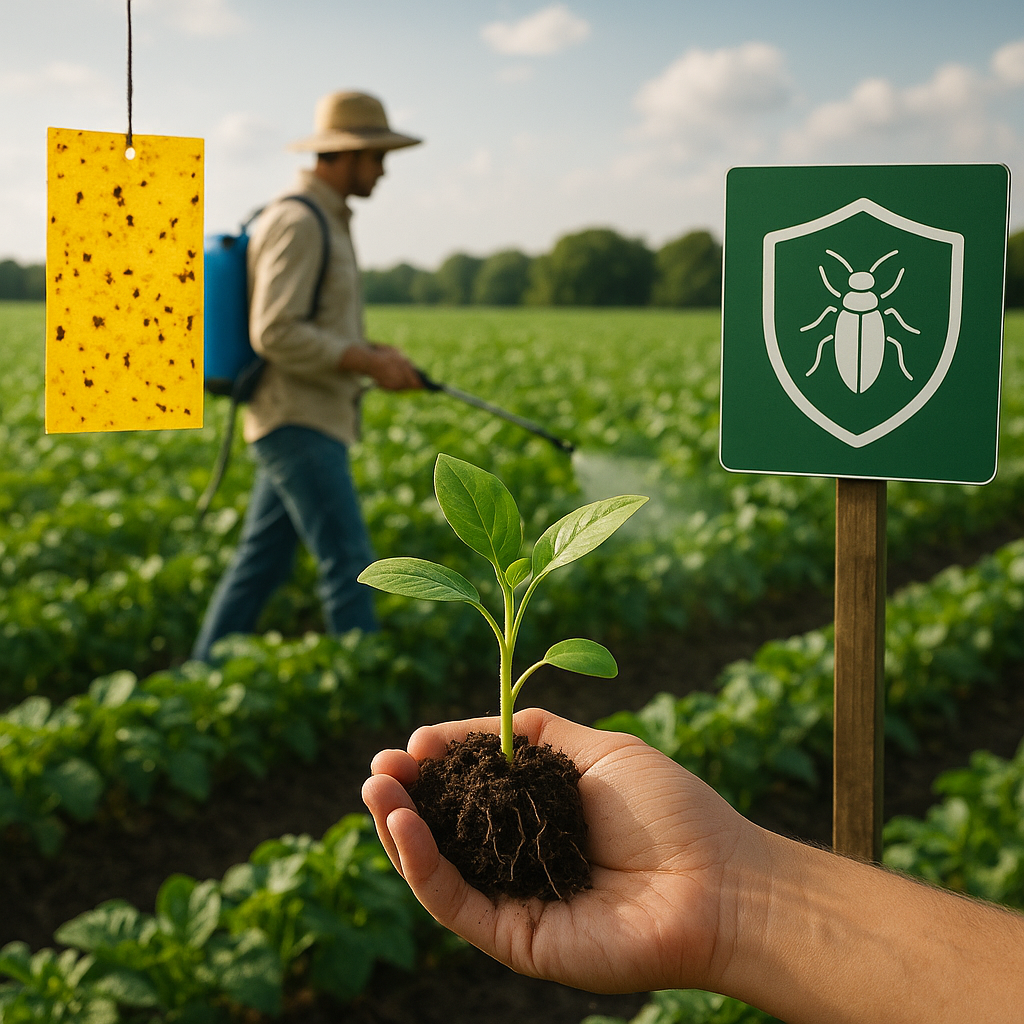
Integrated Pest Management (IPM) offers a holistic framework for farmers seeking to balance crop health, environmental integrity, and economic viability. By prioritizing prevention, observation, and a blend of control methods, IPM champions a more sustainable approach that reduces reliance on harmful chemicals and promotes long-term agricultural success.
The Principles and Approach of Integrated Pest Management
Understanding IPM Fundamentals
At its core, IPM is an integrated strategy designed to manage pest populations below levels that cause economic harm, while minimizing negative impacts on the environment and human health. Rather than relying solely on synthetic chemicals, IPM emphasizes:
- Monitoring pest populations through regular field scouting and record-keeping
- Establishing action thresholds—levels at which intervention becomes necessary
- Integrating diverse tactics, from cultural and mechanical to biological and chemical controls
- Evaluating results and adjusting methods to enhance effectiveness and minimize risk
Core Components of IPM
- Prevention: Use crop rotation and resistant cultivars to reduce initial pest pressure
- Early Detection: Frequent inspections for signs of infestation or disease
- Biological Control: Introduction or conservation of beneficial insects and natural enemies
- Mechanical Methods: Traps, barriers, and manual removal of pests
- Judicious Use of pesticides: Targeted application only when other methods prove insufficient
- Continuous Assessment: Adapt tactics based on efficacy, weather conditions, and crop stage
Benefits for Sustainable Agriculture
Environmental Advantages
Implementing IPM contributes to:
- Ecosystem protection by preserving soil health and water quality
- Reduction in chemical residues, safeguarding pollinators and wildlife
- Enhanced biodiversity through habitat management and intercropping
Economic and Operational Gains
Farmers practicing IPM often experience:
- Cost-effectiveness due to fewer pesticide applications and lower input costs
- Improved productivity from healthier crops and balanced nutrient cycles
- Greater market access, as consumer demand for residue-free produce rises
Building Resilience
By reducing dependency on single-method controls and encouraging diverse practices, IPM fosters farm resilience. Communities benefit from greater food security and adaptive capacity in the face of climate variability.
Implementation Strategies and Practical Agriculture Tips
Field Preparation and Crop Planning
- Conduct soil tests to determine nutrient levels and pH, then amend accordingly
- Rotate crops annually to interrupt pest life cycles and maintain soil fertility
- Employ cover crops such as clover or ryegrass to suppress weeds and retain moisture
Regular Monitoring and Scouting
- Establish a schedule for visual inspections and use pheromone traps where appropriate
- Record pest counts, weather data, and plant health indicators in a logbook or digital app
- Compare findings against established action thresholds to decide on control measures
Encouraging Natural Enemies
- Plant flowering strips or hedgerows that provide nectar and shelter for predators
- Introduce lady beetles, parasitic wasps, or predatory mites as part of a biological control program
- Limit broad-spectrum insecticides to preserve beneficial populations
Selective Chemical Use
- Choose narrow-spectrum or reduced-risk products when chemical intervention is unavoidable
- Apply at the most vulnerable pest stage for maximum efficacy and minimal collateral damage
- Follow label instructions meticulously and rotate modes of action to prevent resistance
Case Studies and Real-World Examples
Vegetable Farm in California
A commercial tomato grower reduced fungicide use by 60% through early detection of blight and timely introduction of antagonistic fungi. Regular field walks and disease forecasting models guided interventions, resulting in higher yields and lower input costs.
Rice Cultivation in Southeast Asia
Smallholder farmers adopted straw mulch and fish-based traps to control rice pests. This method improved soil structure, boosted local fish populations, and cut pesticide expenses by almost half. Community training sessions amplified knowledge-sharing and adoption rates.
Challenges and Future Directions
While IPM offers tremendous promise, barriers remain:
- Lack of access to timely pest diagnostic services in remote regions
- Insufficient training and resources for small-scale producers
- Market pressures that favor high-volume, rapid-turnover systems over sustainable methods
Emerging technologies, such as remote sensing, artificial intelligence for pest prediction, and novel biopesticides, promise to refine IPM practices. Collaboration among researchers, extension agents, and farmers will be crucial to unlock the full potential of integrated pest management and ensure resilient agricultural landscapes worldwide.


