Exploring advancements in modern farming reveals how technology transforms traditional practices. Smart irrigation systems, powered by sensors and automated controls, offer strategies for enhancing crop health and conserving water. This comprehensive article delves into the evolution, benefits, implementation challenges, and future prospects of intelligent watering solutions, equipping farmers with actionable insights to boost efficiency and yield.
Evolution of Irrigation Technology
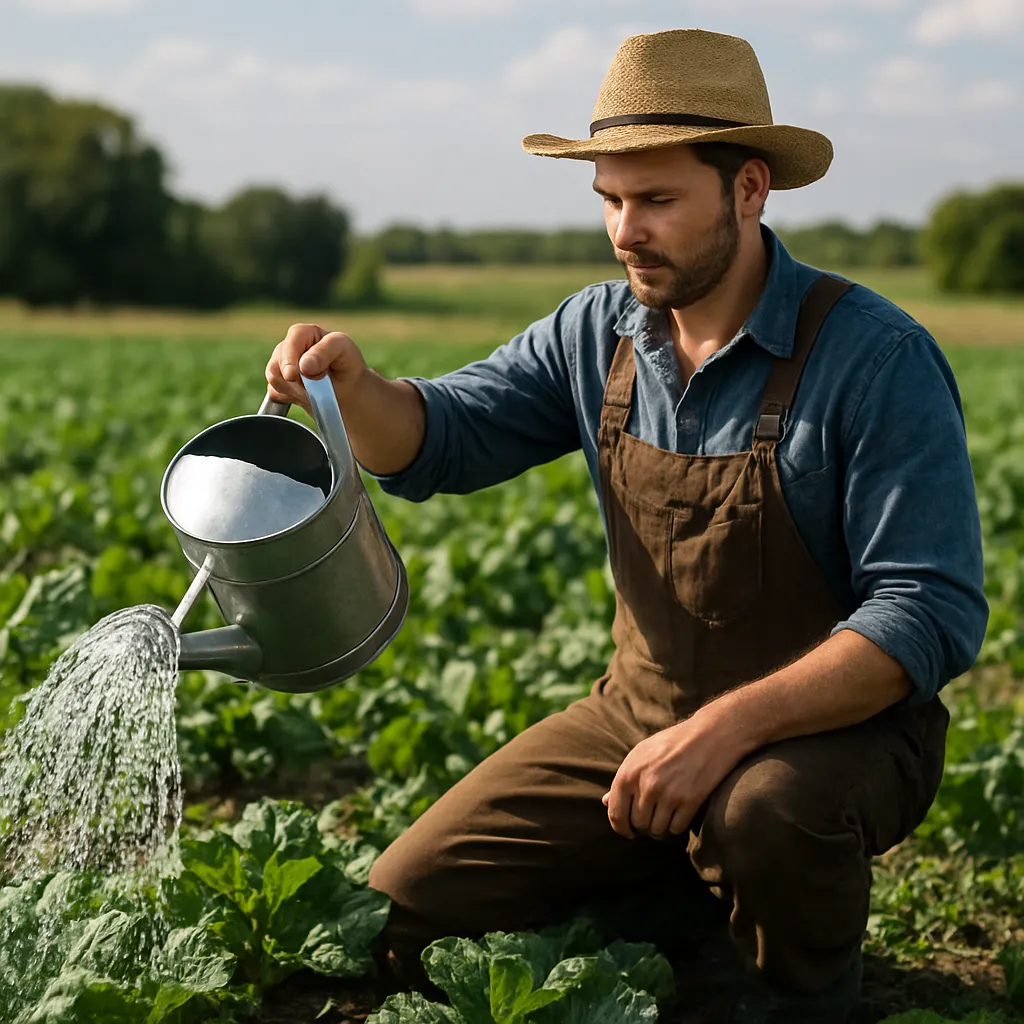
From simple flood irrigation to precision drip lines, watering methods have undergone significant changes. Early farmers relied on gravity-fed channels, leading to overwatering, soil erosion, and unpredictable yields. The introduction of sprinkler systems marked a turning point, enabling more uniform coverage.
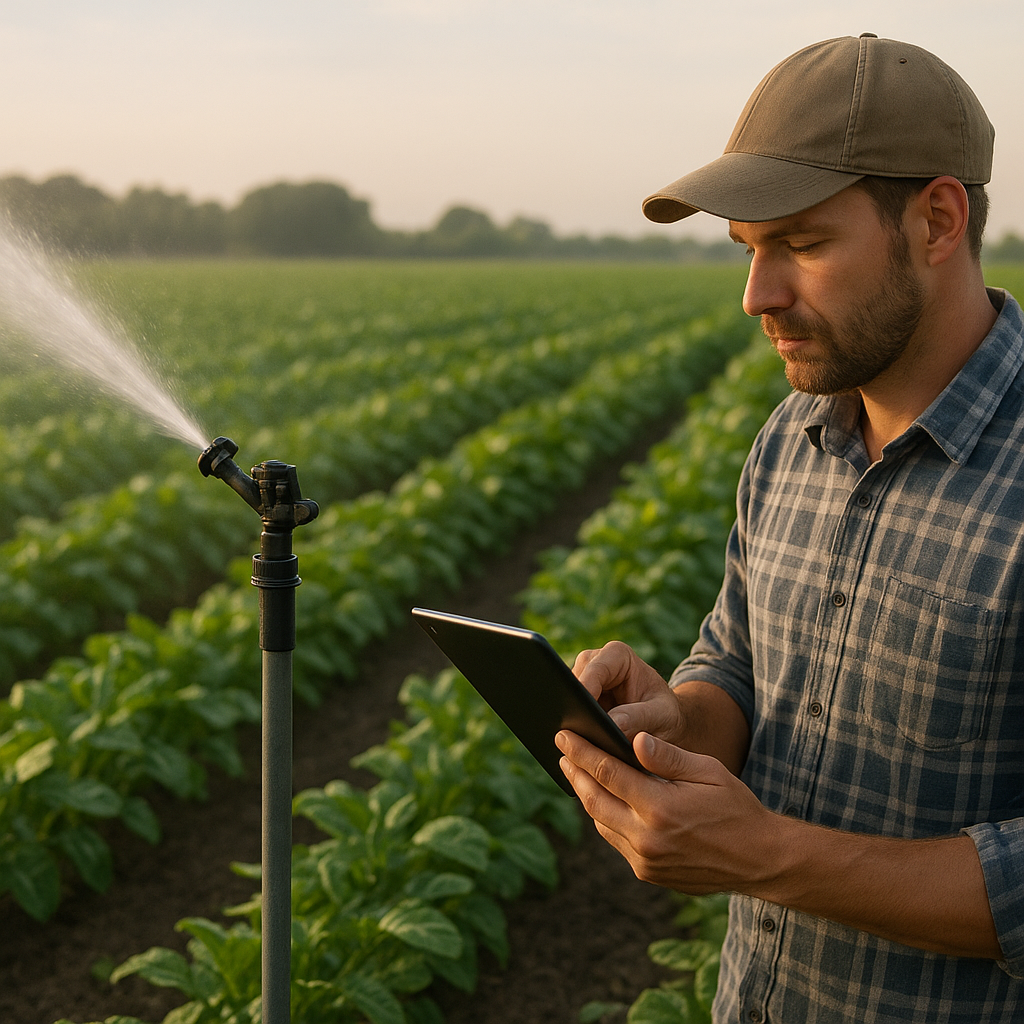
In the last two decades, digital innovation has ushered in real-time monitoring tools that respond dynamically to field conditions. Internet of Things (IoT) platforms integrate moisture probes, weather stations, and flow meters, delivering a data-driven approach. Agricultural engineers have refined hardware and software, resulting in compact valve controllers, wireless communication networks, and cloud-based dashboards. Such progress has laid the groundwork for fully automation of irrigation scheduling.
Key Components of Smart Irrigation Systems
Soil Moisture Sensors
- Capacitive Sensors: Measure dielectric constant changes to detect moisture levels accurately.
- Time Domain Reflectometry (TDR): Send pulses along probes, calculating water content from signal delay.
- Granular Matrix Sensors: Provide reliable readings in compact soils, ideal for conservation efforts.
Weather Stations and Forecast Integration
- Local Sensors: Record temperature, humidity, rainfall, and solar radiation on-site.
- Forecast APIs: Pull hyperlocal weather predictions to adjust watering schedules proactively.
Automated Valves and Controllers
- Programmable Logic Controllers (PLCs): Execute irrigation plans based on predefined thresholds.
- Remote Valve Actuators: Allow farmers to open or close water lines via mobile apps or web portals.
Centralized Management Platforms
- Cloud Dashboards: Offer real-time visualization of field data and irrigation metrics.
- Alerts and Notifications: Send warnings about equipment malfunctions, leaks, or extreme weather events.
Benefits of Implementing Smart Systems
Adopting intelligent irrigation delivers measurable gains across multiple dimensions:
- Optimization of Water Use: Precise targeting reduces waste and prevents overwatering, essential in drought-prone regions.
- Labor Savings: Automated scheduling frees up time for strategic farm management and reduces manual interventions.
- Enhanced Crop Health: Consistent moisture levels minimize plant stress, boosting growth rates and uniformity.
- Energy Efficiency: Pump usage can be timed during off-peak hours, cutting electricity costs.
- Environmental Impact: Lower water consumption and reduced runoff contribute to ecosystem sustainability.
- Scalability: Modular designs allow expansion from small orchards to large-scale row crop operations.
Implementation Challenges and Solutions
While the promise of smart irrigation is compelling, farmers must navigate several hurdles:
Initial Investment and ROI
High upfront costs for hardware and installation may deter smallholders. To address this:
- Explore Government Grants: Many agricultural agencies subsidize precision irrigation initiatives.
- Lease-to-Own Options: Equipment providers often offer financing plans that spread expenses over multiple seasons.
Technical Expertise and Training
Operating advanced systems requires familiarity with electronics and data interpretation. Strategies include:
- Vendor Workshops: Manufacturers frequently conduct on-site training on setup and maintenance.
- Peer-to-Peer Networks: Farmer cooperatives can share success stories and troubleshooting tips.
Connectivity and Power Supply
Remote fields may lack reliable internet or electricity. Possible solutions:
- Solar-Powered Nodes: Provide off-grid energy for sensors and controllers.
- LoRaWAN Networks: Offer low-power wide-area connectivity for data transmission.
Data Management and Security
Large volumes of environmental data pose storage and privacy concerns. Effective practices involve:
- Cloud Encryption: Protect sensitive operational details from unauthorized access.
- Data Backups: Regular snapshots ensure recovery in case of hardware failures.
- Interoperability Standards: Use open APIs to integrate with existing farm management software.
Best Practices for Farmers
To maximize the impact of smart irrigation, consider the following guidelines:
Conduct a Baseline Assessment
- Soil Analysis: Test pH, texture, and infiltration rates to select appropriate sensor types.
- Water Source Evaluation: Verify quality and pressure to match system specifications.
Design Zonal Irrigation Plans
- Group Fields by Crop Type: Tailor schedules according to individual water requirements.
- Map Microclimates: Account for shaded areas, wind exposure, and slope variations.
Calibrate and Test Regularly
- Seasonal Sensor Checks: Recalibrate probes before planting and after harvest.
- Valve Function Tests: Manually cycle actuators to ensure responsiveness.
Leverage Analytics for Continuous Improvement
- Track Key Performance Indicators: Monitor usage per hectare, cost per liter, and crop yield correlations.
- Apply Predictive Models: Use historical data to forecast irrigation needs under varying climate scenarios.
Integrating Smart Irrigation with Sustainable Agriculture
Beyond water management, intelligent systems bolster holistic farm resilience. Combining precision irrigation with conservation agriculture and regenerative practices yields synergistic effects:
- Cover Cropping: Maintains soil structure and moisture retention, reducing irrigation frequency.
- Mulching Techniques: Lowers evaporation losses and suppresses weeds, easing sensor workload.
- Agroforestry Integration: Trees provide shade that moderates field temperatures, impacting watering schedules.
When deployed alongside nutrient management platforms and integrated pest management (IPM), smart irrigation helps build a farm ecosystem that adapts to climatic stresses. Such synergy ensures long-term resilience and enhances economic viability.
Future Trends in Intelligent Watering
The next generation of smart irrigation will feature:
- Machine Learning Algorithms: Autonomously refine schedules based on sensor feedback loops.
- Edge Computing: Analyze data locally to reduce latency and minimize cloud dependency.
- Drone-Assisted Monitoring: Provide aerial insights into crop moisture distribution and detect leaks.
- Blockchain-Based Traceability: Record irrigation history for sustainability certifications and market premiums.
Advancements in nanotechnology may yield ultra-sensitive moisture detectors, while robotics could handle localized watering tasks at the plant level. Embracing these innovations promises to elevate farming from art to a highly precise science, unlocking unprecedented levels of productivity and resource stewardship.