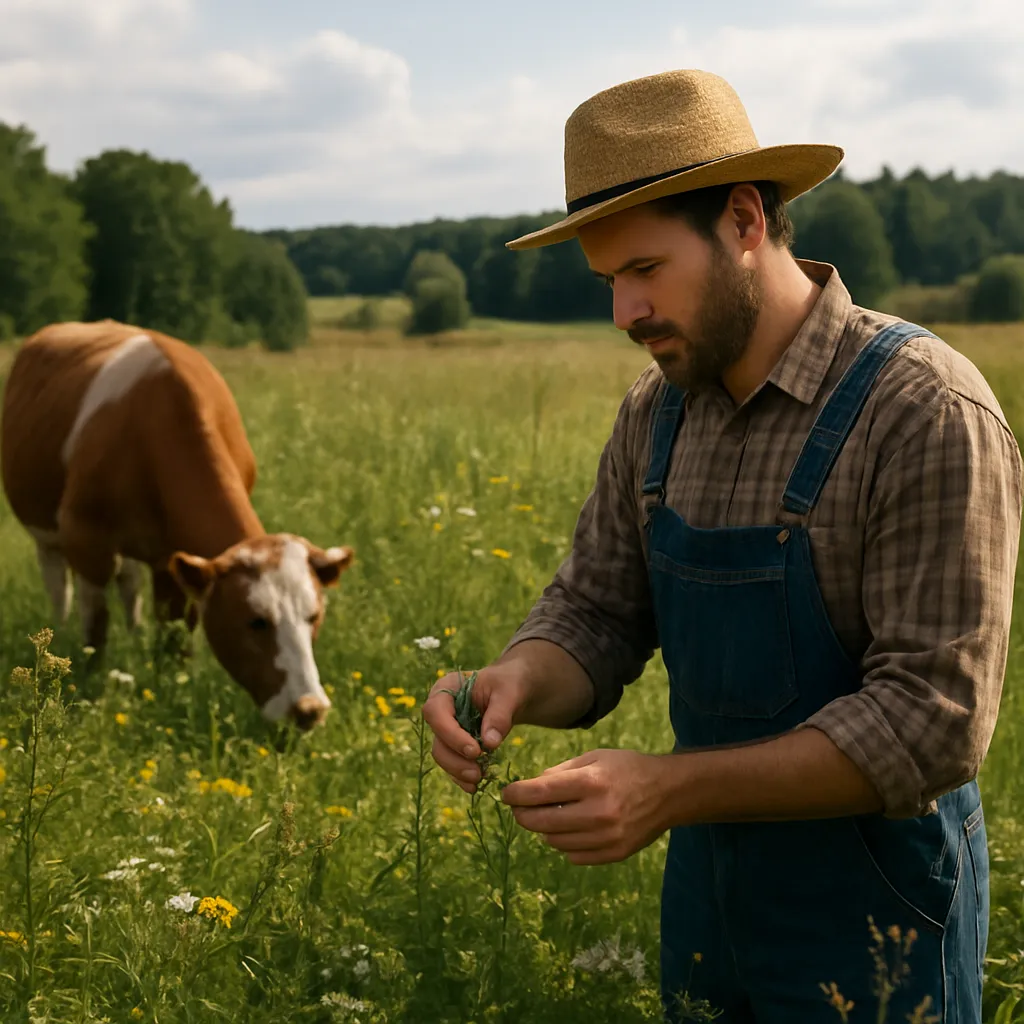
Addressing the intricate link between food production and environmental health, this article explores how practitioners on the ground can actively support global conservation efforts. By highlighting practical methods, innovative solutions, and collaborative strategies, we showcase the pivotal role of those who cultivate the land.
Agricultural Practices and Biodiversity Conservation
Healthy landscapes depend on multifunctional farms that balance productivity with ecological stewardship. Farmers manage vast tracts of land, which makes them central to preserving biodiversity across regions. By integrating specific tactics, they can maintain habitats for wildlife, improve soil health, and sustain critical ecosystem services.
Crop Diversification and Rotation
Growing a variety of species in rotation prevents pest build-up and reduces reliance on synthetic inputs. Incorporating legumes, cereals, and vegetables in planned sequences enriches soil nitrogen, suppresses weeds, and supports beneficial organisms. This approach fosters a robust environment for microbial communities and increases farm resilience against climatic stresses.
Agroforestry and Hedgerows
Integrating trees into agricultural systems—whether as windbreaks, silvopasture, or alley cropping—boosts carbon sequestration and provides habitats for pollinators, birds, and insects. Hedgerows function as corridors, allowing species to migrate and forage. Strategic placement of nitrogen-fixing shrubs further enhances soil fertility and creates shelterbelts that protect crops from erosion and extreme weather.
Conservation Buffers and Riparian Zones
Establishing vegetative strips along waterways filters runoff, stabilizes banks, and prevents sedimentation. These buffer zones create refuge areas for amphibians, fish, and aquatic invertebrates. By maintaining natural vegetation in field margins, farmers contribute to water quality improvement and protect downstream ecosystems.
Sustainable Farming Tips for Enhancing Ecosystem Health
Implementing low-impact methods can dramatically reduce environmental footprints while maintaining productive yields. The following tips emphasize practical steps that can be adopted on a broad scale:
- Precision Agriculture: Use GPS-guided equipment and sensor data to apply water, fertilizers, and pesticides only where needed, reducing waste and limiting chemical runoff.
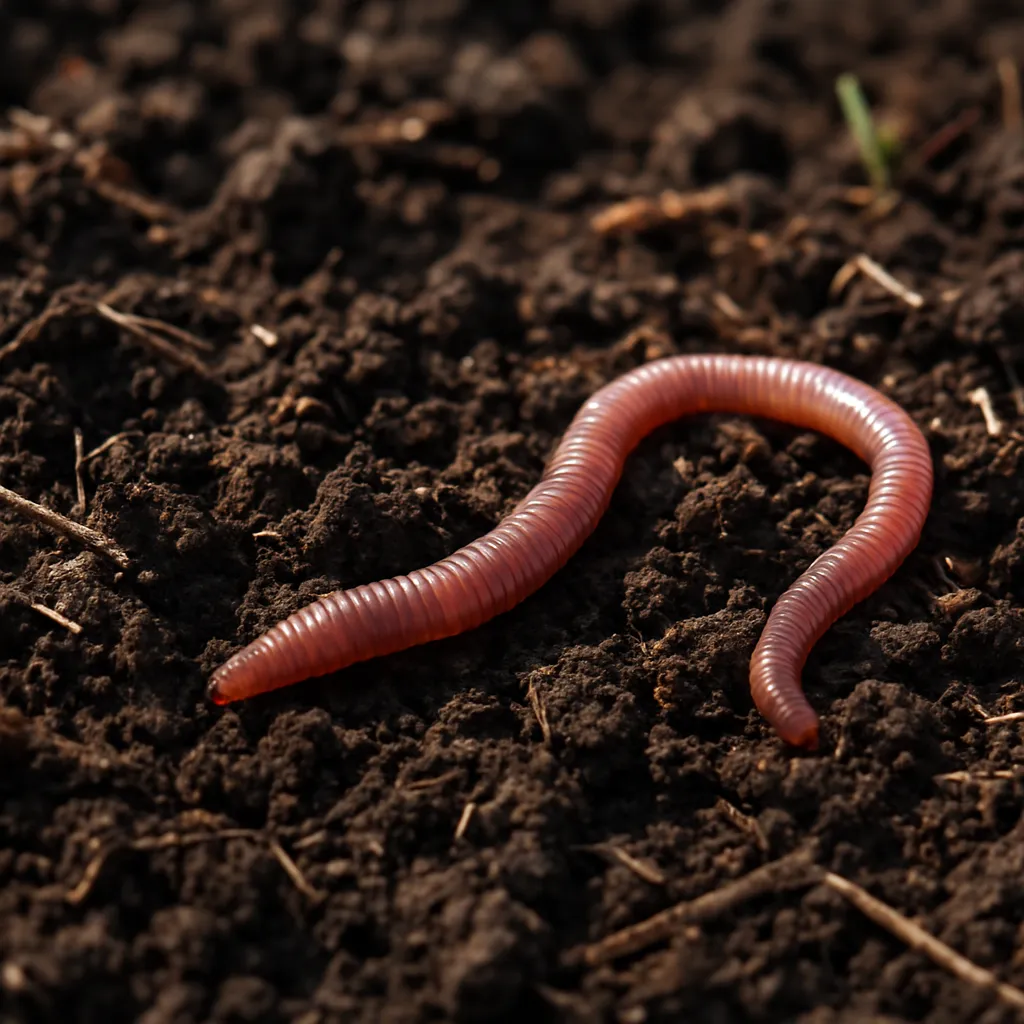
- Cover Cropping: Plant cover crops such as clover, rye, or vetch during off-seasons to prevent soil erosion, suppress weeds, and nourish earthworms.
- Integrated Pest Management: Combine cultural, biological, and mechanical practices to manage pests safely. Release predatory insects, use pheromone traps, and rotate crops to keep pest populations in check.
- Composting: Transform organic residues into nutrient-rich compost, decreasing greenhouse gas emissions from decomposing waste and improving soil structure.
- Water Harvesting: Install contour bunds, swales, or rainwater tanks to capture and store precipitation. This practice enhances water availability during dry periods and reduces irrigation demands.
- Reduced Tillage: Minimize soil disturbance to preserve microbial networks, enhance infiltration, and maintain carbon stocks. No-till or strip-till systems cut fuel costs and improve moisture retention.
- Pollinator Habitat Creation: Sow wildflower strips and leave patches of natural vegetation to support bees, butterflies, and other pollinating insects crucial for crop yields.
- Adaptive Irrigation: Adopt drip or micro-spray systems to deliver precise volumes of water directly to the root zone, cutting evaporation losses and promoting sustainable water use.
- Precision Nutrient Management: Base fertilizer applications on soil tests to avoid overuse of nitrogen and phosphorus, preventing nutrient leaching and eutrophication of nearby water bodies.
- Cover Diversity: Combine multiple cover crop species to maximize benefits, such as nitrogen fixation, biomass production, and deep rooting for soil porosity.
Collaborative Approaches and Future Outlook
Partnerships between farmers, researchers, policymakers, and consumers are essential to scale up conservation on working lands. A collaborative framework ensures that innovations spread rapidly, and financial incentives align with ecological goals.
Research and Extension Services
Extension agents bridge the gap between scientific discoveries and field application. Demonstration plots and field days showcase novel practices like biochar amendment, precision nutrient mapping, or pest-resistant cultivars. These hands-on experiences foster knowledge transfer and empower communities to adopt innovation.
Incentive Programs and Certifications
Governments and non-governmental organizations can offer grants, cost-sharing schemes, or tax breaks to farmers who implement conservation measures. Certification standards—such as organic, Rainforest Alliance, or biodynamic—reward sustainable management with price premiums and market access.
Market-Driven Conservation
Consumers increasingly demand products that align with environmental values. Brands that source from biodiversity-friendly farms can label goods accordingly, creating a feedback loop that motivates producers to adopt responsible practices. Supply chain transparency, verified through mobile apps or blockchain ledgers, reinforces trust and ensures accountability.
Digital Tools and Data Sharing
Smartphone apps enable real-time monitoring of field conditions, pest outbreaks, and wildlife sightings. By crowdsourcing data, farmers contribute to regional assessments of ecosystem health. Open-access platforms allow stakeholders to track changes in land use, carbon stocks, and species distributions, facilitating adaptive management strategies.
Education and Community Engagement
Workshops, local farmer cooperatives, and online forums cultivate a culture of continuous improvement. Peer-to-peer networks help share successes and troubleshoot challenges. Engaging youth through agricultural education programs and school gardens fosters the next generation of conservation-minded stewards.
By integrating these strategies, farming communities can simultaneously enhance productivity and protect the intricate web of life that sustains our planet. The collective action of individual farmers drives progress toward resilient food systems and a thriving natural world.