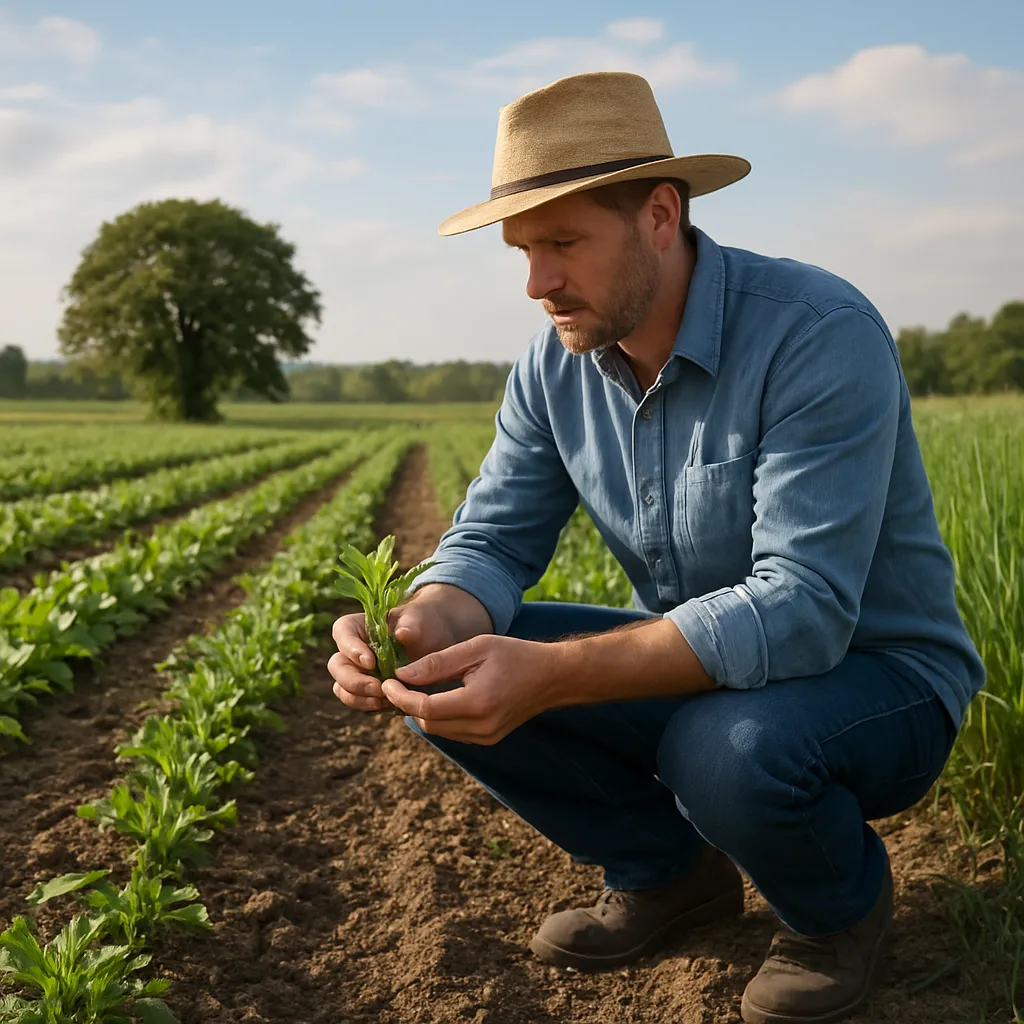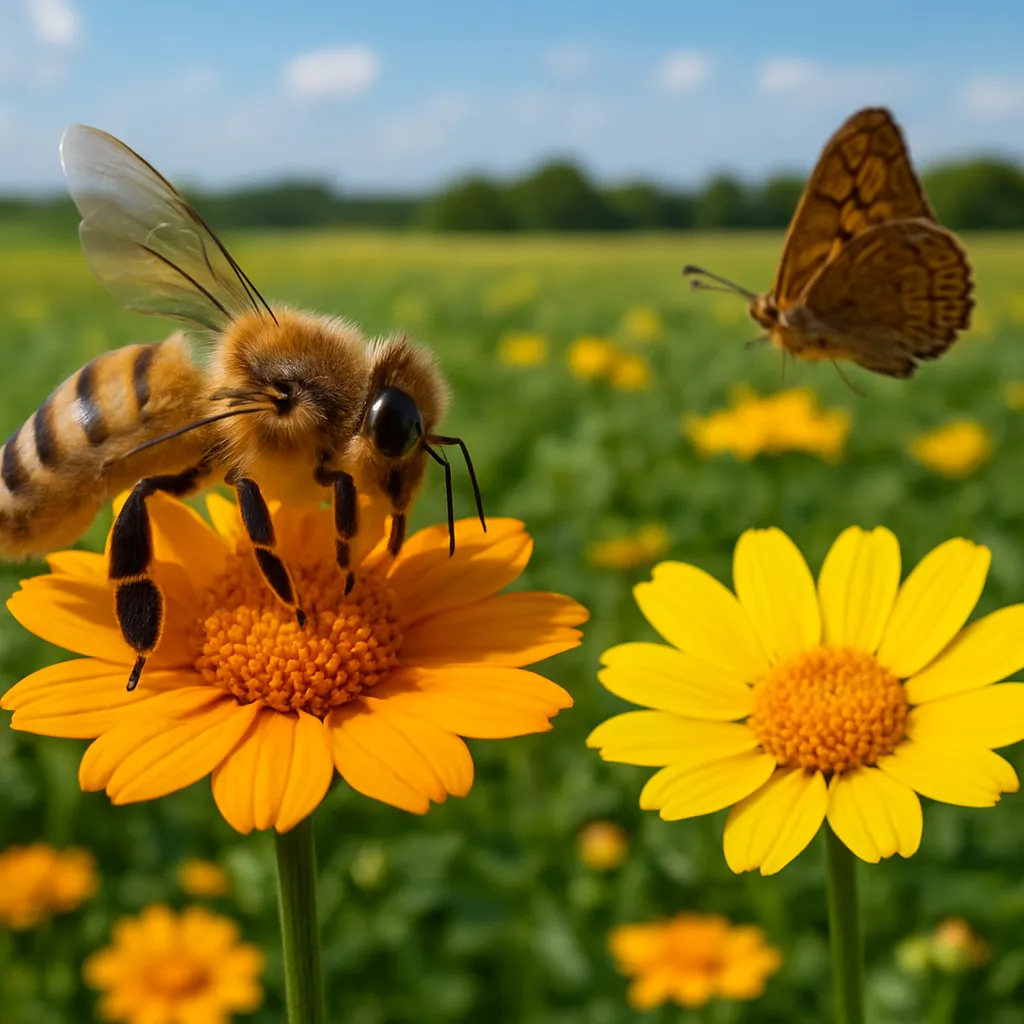
Bees and other pollinators stand at the heart of modern agriculture, driving up to 75 percent of the world’s leading crops through effective transfer of pollen grains. Their presence in fields and orchards is indispensable for maintaining biodiversity and bolstering crop yield. By understanding the intricate relationships between these essential species and the cultivation techniques that support them, farmers can enhance productivity while safeguarding the ecosystem health. This article explores the multifaceted role of insects such as bees, butterflies, and beetles in sustainable food production, offers practical tips for growers, and examines strategies to overcome modern threats to pollinator populations.
Pollinators and Their Impact on Crop Production
Effective pollination is more than a simple biological interaction; it represents a cornerstone of agricultural prosperity. Over one-third of global food production depends on animal pollination, making it a key factor in food security and nutritional diversity. Without these tiny allies, fruit, vegetable, nut, and seed yields would plunge dramatically, causing shortages and economic strain.
Vital Role of Bees
Honeybees, wild bees, bumblebees, and solitary bees are champions of pollination due to their foraging behavior and hair-covered bodies that trap pollen. When they visit flowers for nectar or pollen, they inadvertently transfer essential genetic material between plants, facilitating fertilization. A single honeybee colony can visit millions of blossoms each day, underscoring the immense contribution these insects make to farm productivity.
Diversity of Pollinator Species
While bees receive much attention, other pollinator groups—including butterflies, moths, flies, beetles, and even some birds and bats—play complementary roles. Maintaining a rich assemblage of pollinators ensures redundancy in pollination services, making cropping systems more resilient to environmental fluctuations.
- Butterflies and moths often target long-tubed flowers, aiding in the pollination of specialized crops like vanilla and some legumes.
- Hoverflies control pest populations as larvae, providing dual benefits of pollination and natural pest regulation.
- Beetles act as pollinators in primitive flowering plants such as magnolias, highlighting the evolutionary depth of insect-plant interactions.
Sustainable Farming Practices for Pollinator Health
Designing farms with pollinators in mind involves creating a mosaic of habitats that supply continuous forage and safe nesting sites. By adopting integrated approaches, growers can meet yield targets while minimizing ecological disruptions. Below are proven strategies that merge productivity with conservation goals.
Habitat Restoration and Floral Resources
Establishing wildflower strips, hedgerows, and cover crops around crop fields provides essential nutrition and refuge for pollinators throughout the growing season. Diverse plantings of native flowering species extend bloom periods, reduce competition for blossoms, and support a broader range of pollinator species.
- Introduce perennial wildflowers such as clover, coneflower, and native sunflowers to supply nectar and pollen.
- Retain natural areas, woodlots, and riparian buffers to offer nesting sites for ground-nesting bees and cavity dwellers.
- Coordinate bloom schedules to avoid gaps in floral resources, ensuring pollinators have continuous forage from spring through fall.
Integrated Pest Management
Excessive use of pesticides can harm non-target beneficial insects and disrupt pollination services. Adopting integrated pest management (IPM) principles allows producers to control pests while protecting pollinators and other beneficial organisms. Key elements include rigorous monitoring, threshold-based interventions, and biological controls.
- Implement regular scouting to detect pest outbreaks early and minimize blanket pesticide applications.
- Utilize biological control agents, such as predatory mites and parasitic wasps, to reduce reliance on chemical sprays.
- Opt for selective pesticides with lower toxicity to bees, applied when pollinators are least active (e.g., late evening).
Crop Rotation and Poly-culture Strategies
Rotating crops and integrating polycultures enhances soil health and diminishes pest pressure, creating more stable environments for pollinators. Diverse plantings mimic natural systems, fostering biodiversity and minimizing the need for synthetic inputs.
- Alternate nectar-rich crops like buckwheat or phacelia with cash crops to maintain attractive foraging grounds.
- Interplant flowering cover crops directly within fields to offer immediate forage during crop transitions.
- Encourage companion planting; for example, planting marigolds alongside tomatoes can deter pests and support pollinator visits.
Overcoming Challenges in Modern Agriculture
Despite the clear benefits of pollinators, several existential threats endanger their populations. Farmers, researchers, and policymakers must collaborate to address habitat loss, chemical overuse, and climate impacts. By implementing forward-looking solutions, agricultural communities can safeguard pollinator networks and ensure long-term sustainability.
Combatting Pesticide Threats
Policy frameworks and on-farm practices must reconcile pest management with pollinator safety. Encouraging adoption of reduced-risk products, buffer zones, and spray schedules that avoid peak foraging periods can dramatically lessen unintended pollinator mortality.
- Designate pesticide-free refuge areas adjacent to cultivated fields to serve as safe havens.
- Promote use of mechanical weed control and crop scans to lower chemical dependency.
- Train applicators on bee-friendly techniques and timing to protect foraging colonies.
Climate Change and Pollinator Resilience
Shifting temperature and precipitation patterns disrupt blooming cycles, decouple plant-pollinator synchrony, and accelerate habitat degradation. Adaptive management is essential, involving habitat corridors that facilitate pollinator movement and genetic exchange.
- Restore riparian buffers and hedgerows to moderate microclimates and offer floral resources during extreme weather.
- Support research into climate-resilient native plant varieties that sustain pollinators under changing conditions.
- Monitor phenological changes in bloom times to adjust planting calendars and maintain synchrony.
Policy and Community Engagement
Effective conservation extends beyond individual farms. Collective action through farmer cooperatives, local governments, and non-governmental organizations fosters landscape-scale initiatives. Public awareness campaigns underscore the value of pollinators in securing healthy diets and ecological balance.
- Develop incentive programs that reward farmers for maintaining pollinator-friendly habitats.
- Engage schools and community groups in pollinator garden projects to educate the next generation.
- Advocate for agricultural policies that integrate conservation goals with yield optimization.