The Future of Organic Certification and Eco Standards lies at the intersection of traditional farming wisdom and cutting-edge technologies. As global demands push agriculture toward more responsible practices, stakeholders—from smallholder farmers to multinational corporations—are seeking frameworks that guarantee environmental integrity and consumer trust. This article delves into the evolution of organic certification, highlights emerging eco standards, offers practical tips for sustainable cultivation, and explores how market forces will shape the next generation of agricultural regulation.
The Evolution of Organic Certification
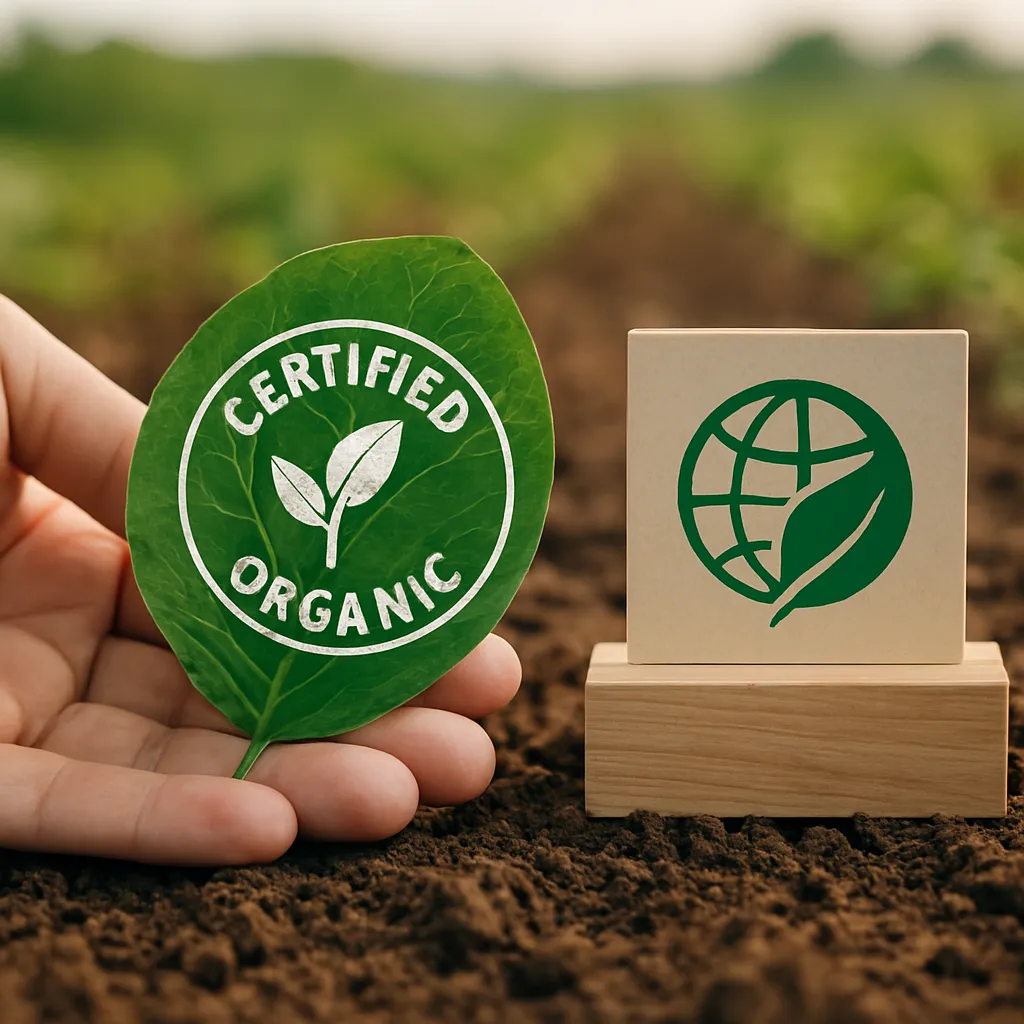
Organic agriculture began as a grassroots movement emphasizing natural methods over synthetic inputs. Over decades, informal guidelines coalesced into formal systems designed to protect both soil health and consumer confidence. The first legally recognized organic standard emerged in the 1970s, but rapid globalization demanded uniform rules. Today’s benchmarks aim to harmonize practices across continents, ensuring that a “certified organic” label in one region holds the same meaning in another.
- 1972: Foundation of major organic farming associations.
- 1991: Introduction of the USDA National Organic Program.
- 2007: European Union Regulation 834/2007 streamlined EU organic rules.
- 2015: Codex Alimentarius released international guidelines.
- 2020+: Growth of private and third-party certifiers offering tailored programs.
Standards now cover a wide spectrum of factors, including soil quality, water usage, pest management, and ethical labor practices. While early frameworks prioritized elimination of synthetic chemicals, modern certifications integrate broader principles such as carbon footprint reduction and animal welfare.
Emerging Eco Standards and Their Impact
Beyond classic organic labels, a new generation of eco standards is rising to address climate change, biodiversity loss, and social equity. These initiatives often complement or build upon existing certification schemes, offering added value and differentiation for producers who exceed baseline requirements.
- Regenerative Organic Certification: Focuses on soil regeneration, animal welfare, and fair labor.
- Carbon Smart Agriculture: Quantifies and rewards practices that sequester greenhouse gases.
- Fair for Life: Integrates social responsibility with environmental criteria.
- Rainforest Alliance: Emphasizes ecosystem protection and community well-being.
- Blockchain Traceability Programs: Provide immutable traceability from seed to shelf.
The proliferation of these schemes presents both opportunities and challenges. On the positive side, producers can showcase superior performance, access premium markets, and build stronger brand loyalty. On the flip side, overlapping requirements may create complexity and raise compliance costs, particularly for small-scale farmers working across multiple standards.
Practical Agriculture Tips for Sustainable Farming
Adopting sustainable practices is essential for long-term viability. Below are actionable strategies to enhance farm productivity while safeguarding natural resources:
- Crop Rotation: Alternating crops to break pest cycles and restore soil fertility.
- Cover Cropping: Planting legumes or grasses during off-seasons to prevent erosion and fix nitrogen.
- Integrated Pest Management (IPM): Combining biological controls, habitat manipulation, and selective chemical use.
- Agroforestry: Integrating trees and shrubs to create multi-layered systems that support biodiversity and microclimates.
- Composting and Organic Amendments: Recycling farm waste to enrich soil structure and microbial life.
- Water Conservation Techniques: Drip irrigation, rainwater harvesting, and moisture sensors to optimize resource use.
- Minimal Tillage: Reducing mechanical disturbance to maintain soil aggregate stability and carbon stocks.
Implementing these methods not only aligns with rigorous certification requirements but also fosters agroecosystems capable of withstanding extreme weather, pest outbreaks, and market fluctuations. Over time, farms become more resilient and can contribute positively to regional landscapes.
Leveraging Technology for Next-Level Compliance
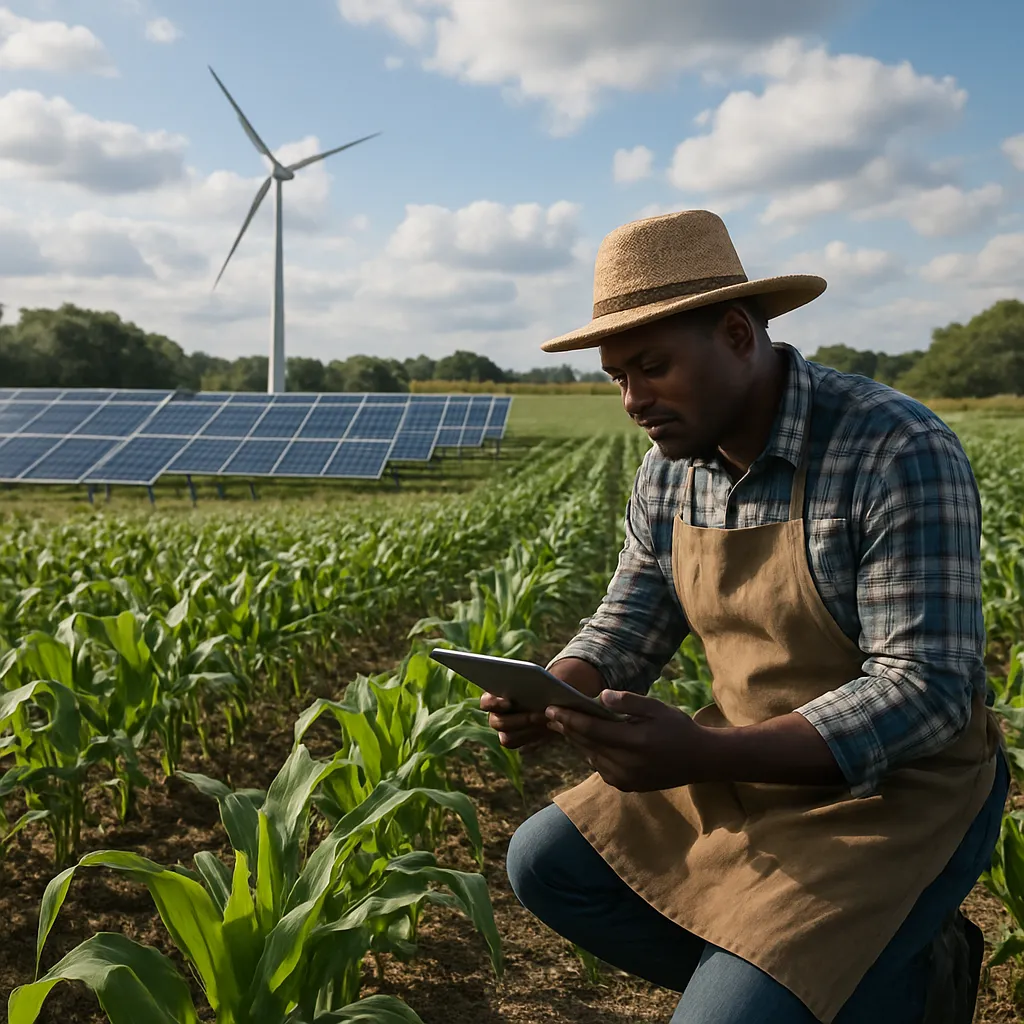
Innovation is fueling a transformation in how eco standards are monitored and enforced. Digital tools can streamline data collection, enhance transparency, and reduce administrative burdens:
- Remote Sensing and Drones: Offer real-time observations of crop health, soil moisture, and field boundaries.
- IoT Sensors: Track nutrient levels, temperature, and humidity to inform precise interventions.
- Blockchain Platforms: Ensure tamper-proof records of every transaction and input.
- Data Analytics: Identify trends, forecast yields, and optimize resource allocation.
- Mobile Apps: Guide farmers through certification checklists and facilitate direct communication with auditors.
By integrating these solutions, producers can demonstrate consistent compliance with evolving standards, minimize the risk of audit discrepancies, and attract buyers who demand verifiable performance. At the same time, technology lowers entry barriers, enabling even remote communities to participate in global value chains.
Market Trends and Consumer Influence
Today’s consumers are more informed and value-driven than ever. They seek products that deliver not only nutritional benefits but also social and environmental accountability. This shift in purchasing behavior exerts tremendous pressure on supply chains to maintain rigorous eco standards:
- Demand for certified and labeled goods is growing by double digits annually in many regions.
- Corporate commitments to net-zero emissions often extend to primary agricultural inputs.
- Retailers are diversifying their product portfolios with multiple eco certifications to cater to niche markets.
- Transparency initiatives like QR codes and digital passports allow shoppers instant access to farm-level data.
As consumer expectations continue to rise, the role of certification bodies will expand from passive auditors to active partners in agricultural development. Training, advisory services, and participatory research will become integral components of future certification models. Ultimately, the synergy between market demand and robust standards will drive global agriculture toward a more sustainable and equitable future.