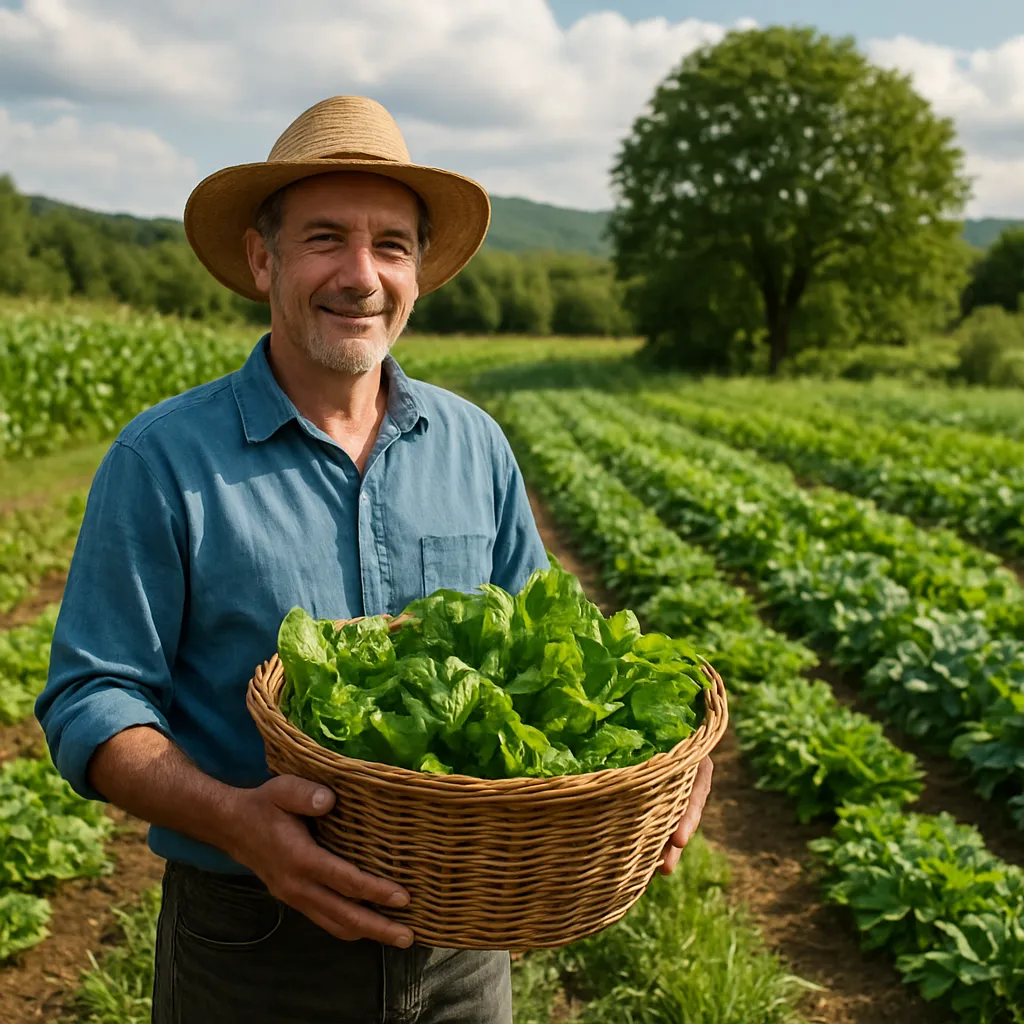
Permaculture merges age-old wisdom with **innovative** techniques to create a self-sustaining agricultural system. By observing natural ecosystems and mimicking their patterns, practitioners cultivate an environment that requires minimal external inputs while maximizing **resilience** and productivity. This article explores essential strategies for enhancing **soil health**, water management, plant diversity, and integrated pest control in sustainable farming systems.
Principles of Permaculture Design
Successful permaculture begins with careful observation and strategic planning. Designers focus on zoning, energy flows, and resource cycles to create closed-loop systems. Key principles include:
- Observation and interaction: Spend time understanding local climate, topography, and soil conditions before making design decisions.
- Energy planning: Position features such as ponds, swales, and windbreaks to capture solar, wind, and water flows efficiently.
- Cycling and recycling resources: Use kitchen scraps, animal manure, and green waste to build nutrient-rich compost and mulch.
- Stacking functions: Every element in the system should perform multiple roles, such as fruit trees providing shade, food, and habitat.
- Design from patterns to details: Observe macro patterns (sunrise/sunset, prevailing winds) then refine microcomponents (plant placement, tool storage).
Implementing Soil Health Practices
Healthy soil is the foundation of any productive farm. Building and maintaining fertile, biologically active soil leads to healthier plants, higher yields, and greater carbon capture. Techniques to improve soil health include:
- Cover cropping: Planting legumes and grasses during fallow periods adds organic matter and fixes atmospheric nitrogen.
- Reduced tillage: Minimizing mechanical disturbance preserves soil structure, microbial networks, and beneficial fungi.
- Composting: Creating a balanced mix of green and brown materials accelerates decomposition, producing nutrient-rich humus.
- Biochar addition: Incorporating biochar enhances water retention, cation exchange capacity, and microbial colonization.
- Living mulches: Ground-cover plantings protect against erosion while providing continuous organic inputs.
By adopting these methods, farmers build a resilient soil ecosystem capable of withstanding drought, heavy rains, and pest pressures.
Water Management and Conservation Techniques
Efficient water use is critical in sustainable agriculture. Permaculture practitioners integrate earthworks and plant selection to optimize water conservation and distribution:
- Swales and contour ditches: These earth berms slow runoff, encouraging infiltration and replenishing groundwater.
- Rainwater harvesting: Capturing roof runoff in barrels or cisterns provides supplemental irrigation during dry spells.
- Keyline plowing: A system of shallow channels following the natural slope of land promotes uniform moisture distribution.
- Drought-tolerant species: Choosing native or adapted crops reduces irrigation demands and improves **biodiversity**.
- Mulching: A thick organic layer reduces evaporation, suppresses weeds, and moderates soil temperature.
Combining these approaches yields a self-regulating water network that supports deep-rooted perennial plantings and high-value annual crops.
Companion Planting and Biodiversity Enhancement
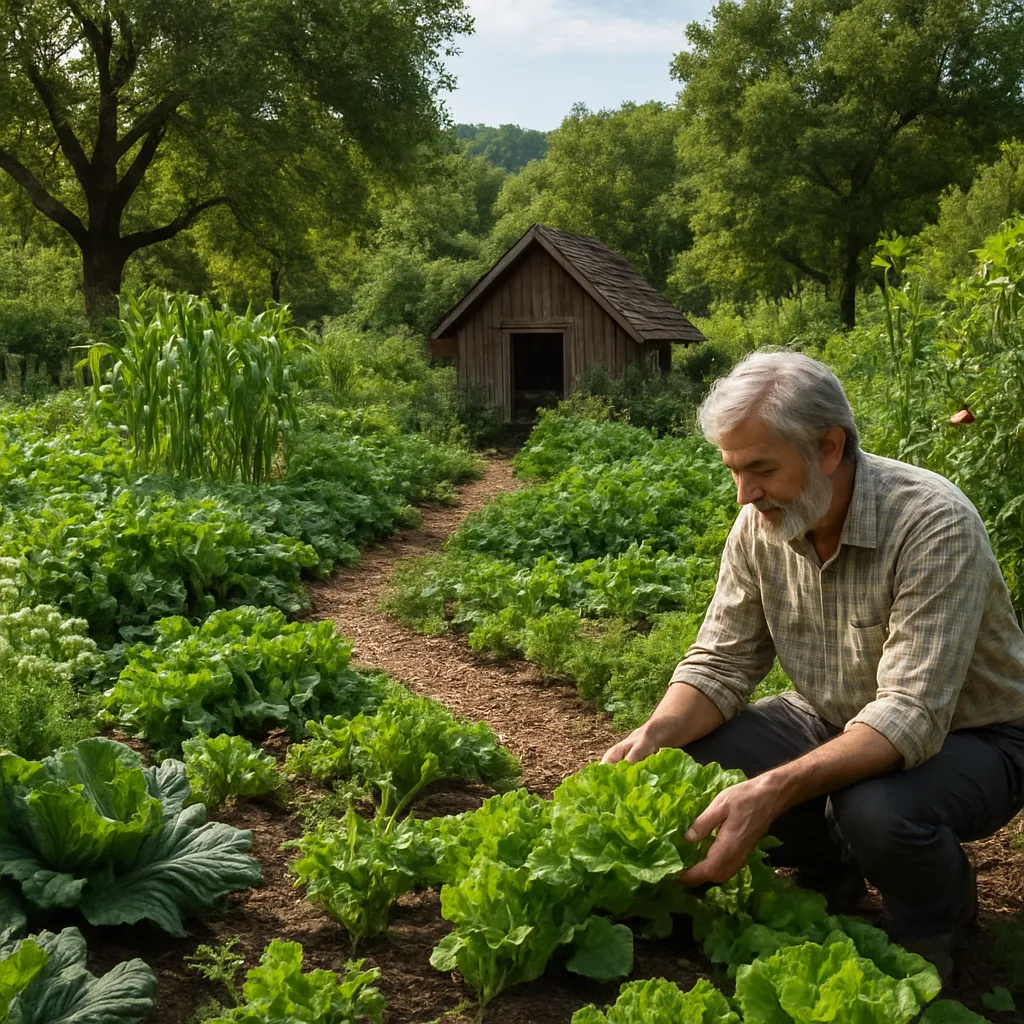
Planting a diverse array of species creates a balanced agroecosystem that suppresses pests and improves overall productivity. Techniques include:
- Companion planting: Pair crops like beans with maize and squash (The Three Sisters) to maximize space and mutual benefits.
- Agroforestry: Integrate trees, shrubs, and vines to provide shade, windbreaks, and additional yields (fruit, nuts, firewood).
- Polycultures: Mix compatible vegetables and flowers to attract pollinators and predator insects, reducing chemical inputs.
- Hedgerows and living fences: Incorporate native shrubs and perennials to serve as habitat corridors and nutrient sinks.
- Succession planting: Stagger planting dates and species to ensure continuous harvests and diverse habitat structure.
These strategies enhance ecosystem services such as pollination, natural pest control, and nutrient cycling, leading to more stable yields and greater **carbon sequestration**.
Key Benefits of Integrating Animals
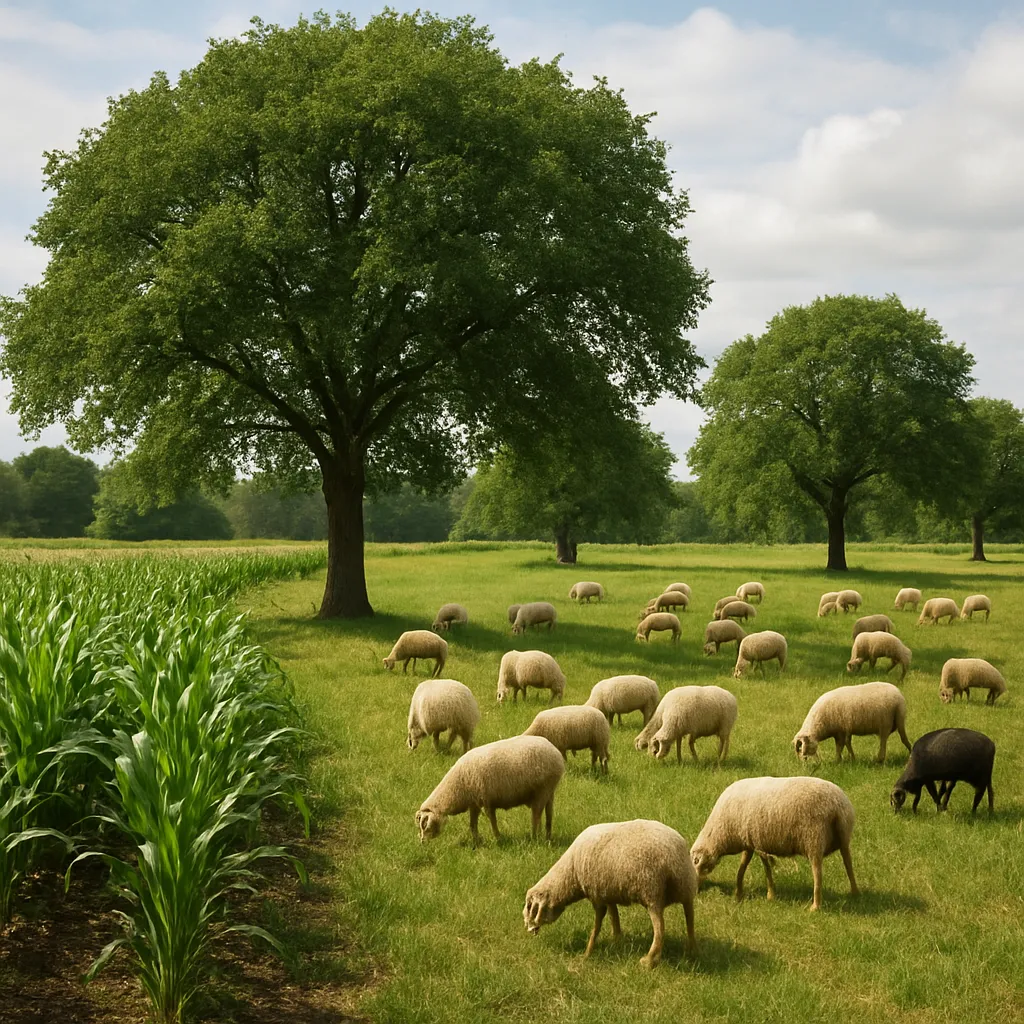
Livestock and poultry can play vital roles in a permaculture system. Managed grazing and rotational paddocks:
- Deposit manure directly onto fields, reducing the need for external fertilizers.
- Stimulate pasture growth through controlled grazing patterns.
- Help control weeds and pests by selective foraging.
- Convert inedible plant material into high-quality protein and fiber.
When properly integrated, animals enhance nutrient cycling and contribute to a self-regulating farm ecosystem.
Sustainable Tools and Infrastructure
Investing in the right equipment and infrastructure improves efficiency and reduces long-term costs. Consider:
- Hand tools made from durable materials for precision work and minimal soil disturbance.
- Solar-powered irrigation pumps and sensors to automate watering schedules.
- Rainwater collection systems, including gutters, barrels, and filters.
- On-site composting bays for continuous organic waste processing.
- Greenhouses or high tunnels to extend the growing season and protect sensitive crops.
Appropriate infrastructure supports the overall sustainability of the system, enabling growers to respond flexibly to climate variability and market demands.