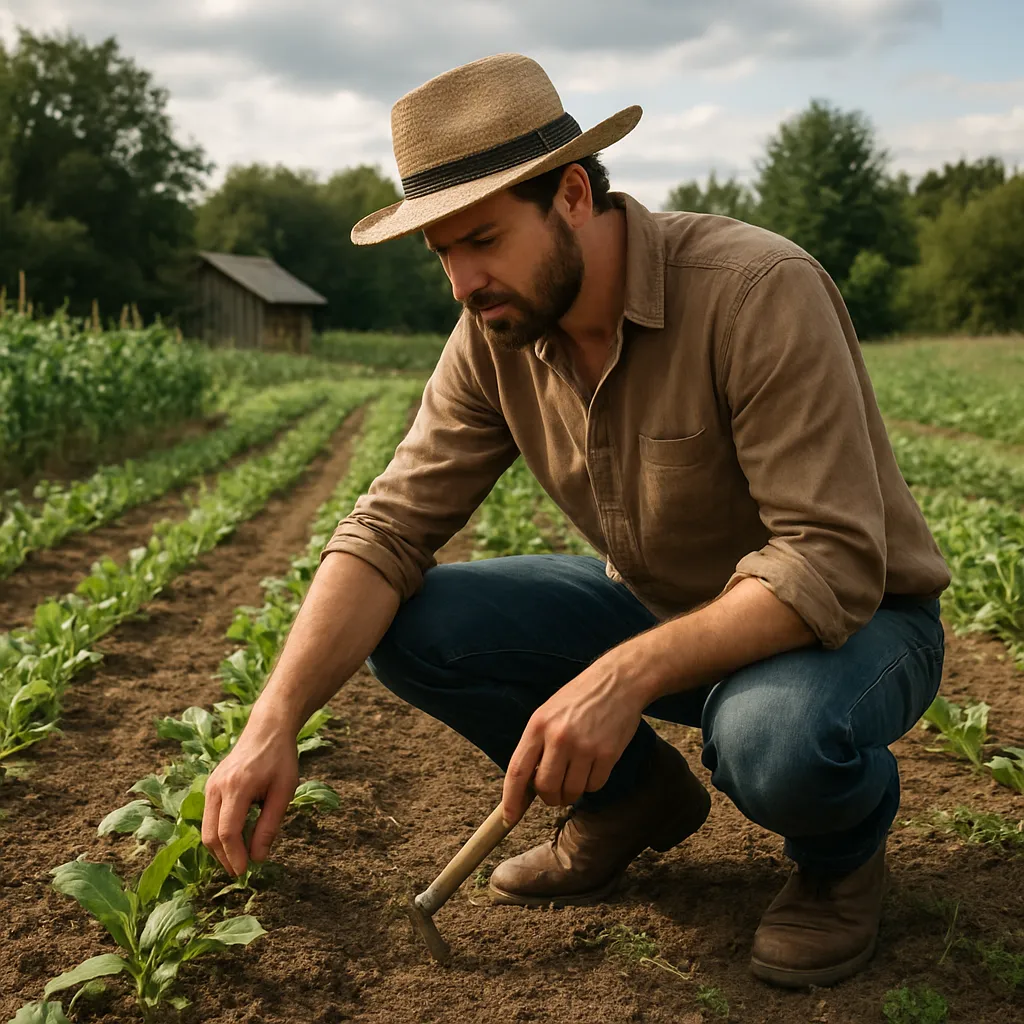
Embarking on a regenerative farm demands vision, dedication, and a willingness to learn from the natural world. This guide outlines practical steps and actionable tips to help aspiring farmers transform bare land into a thriving agricultural ecosystem. By weaving together traditional knowledge with modern techniques, you can cultivate a landscape that sustains both crops and communities.
Understanding the Core Principles
The foundation of regenerative agriculture rests on returning health to the land, rather than depleting it. At the heart of this approach are symbiotic relationships between plants, animals, and soil life. Emulating natural ecosystems, regenerative farms focus on nutrient cycling, minimal disturbance, and long-term productivity. Key concepts include:
- Promoting biodiversity through a variety of crops, cover plants, and wildlife habitats.
- Maintaining robust soil health by protecting organic matter and preventing erosion.
- Building topsoil depth with minimal tillage to encourage stable aggregates and improved water retention.
- Emphasizing a holistic perspective that views the farm as an interconnected system rather than isolated plots.
By adhering to these principles, you create a resilient foundation that can withstand pests, drought, and market fluctuations.
Assessing Land and Resources
Site Selection
Select parcels that offer varied microclimates, gentle slopes, and adequate sunlight. Conduct a thorough soil test to determine pH, organic matter content, and nutrient levels. Observe existing vegetation: native grasses and forbs often indicate well-draining soil, while persistent wet areas may suggest drainage challenges.
Water Availability
Reliable water access is critical. Identify natural springs, creeks, or underground aquifers. Consider installing rainwater catchment systems and ponds. Plan irrigation networks that minimize evaporation and runoff, such as drip or subsurface drip lines. Efficient water management reduces dependency on municipal sources and enhances farm resilience.
Infrastructure and Accessibility
Assess road quality, utility connections, and proximity to markets. Construct basic facilities—sheds, greenhouses, fencing—using sustainable materials. Prioritize easy access points for machinery and livestock, and design pathways that prevent soil compaction in cultivation zones.
Building and Maintaining Soil Health
Thriving farmland begins below ground. A healthy soil ecosystem is rich in organic matter, teeming with life, and capable of retaining nutrients. Follow these strategies to foster robust soil:
- Practice no-till or reduced tillage to preserve soil structure and protect fungal networks.
- Rotate crops and introduce deep-rooted species to break compaction layers and improve aeration.
- Employ diverse cover crops—such as legumes, brassicas, and grasses—to recycle nutrients and suppress weeds.
- Implement strategic grazing, allowing livestock to stimulate microbial activity through manure deposition without overgrazing.
Integrating these methods increases organic matter levels, enhances water infiltration, and supports a thriving community of soil organisms.
Designing Diverse Crop Systems
Diversification reduces risk and maximizes output per acre. Mixed cropping systems can improve overall yields while buffering against pests and climate extremes. Consider these configurations:
- Intercropping fast-growing vegetables between slower-maturing perennials.
- Planting strips of flowering plants to attract beneficial insects and promote pollination.
- Establishing windbreaks with multipurpose species that provide shade, timber, or fodder.
These patterns enhance biodiversity and create multiple income streams, from vegetables and herbs to cut flowers and specialty grains.
Agroforestry and Polyculture Integration
Combining trees, shrubs, and crops yields mutual benefits. Agroforestry systems—such as alley cropping or silvopasture—sequester carbon, moderate microclimates, and diversify revenue. Integrate fruit and nut trees alongside annual vegetables, and graze small ruminants between tree rows. Polyculture strategies mimic forest understories, establishing complex layers of production:
- Overstory: Timber or fruit trees.
- Midstory: Nut bushes or berry canes.
- Herbaceous layer: Medicinal herbs, vegetables, and flowers.
- Groundcover: Clovers and low-growing legumes to fix nitrogen.
Such systems enhance water use efficiency, improve pest management, and raise overall resilience.
Managing Organic Matter and Composting
Transform on-farm residues into valuable amendments through careful composting. A robust compost pile requires a balance of brown (carbon-rich) and green (nitrogen-rich) inputs, regular turning for aeration, and moisture control. Incorporating diverse feedstocks—straw, manure, kitchen scraps—cultivates beneficial microorganisms that accelerate decomposition and enrich your fields. Benefits include:
- Enhanced carbon sequestration as stable organic compounds accumulate in soil.
- Improved cation exchange capacity, boosting nutrient retention.
- Suppression of soil-borne diseases through competitive microbial activity.
Apply finished compost as a top-dressing or incorporate it into planting beds to jump-start spring growth.
Fostering Ecosystem Harmony and Community Engagement
Successful regenerative farms extend beyond plots and paddocks—they become hubs for learning and collaboration. Develop on-site demonstration areas, host workshops, and invite local schools for farm tours. Building a strong community around your project multiplies knowledge sharing and creates marketing opportunities such as CSA programs or farm-to-table events. Additionally, foster wildlife corridors, install native plant hedgerows, and provide habitat for pollinators and birds. These elements reinforce natural checks and balances while nurturing a landscape that hums with life.