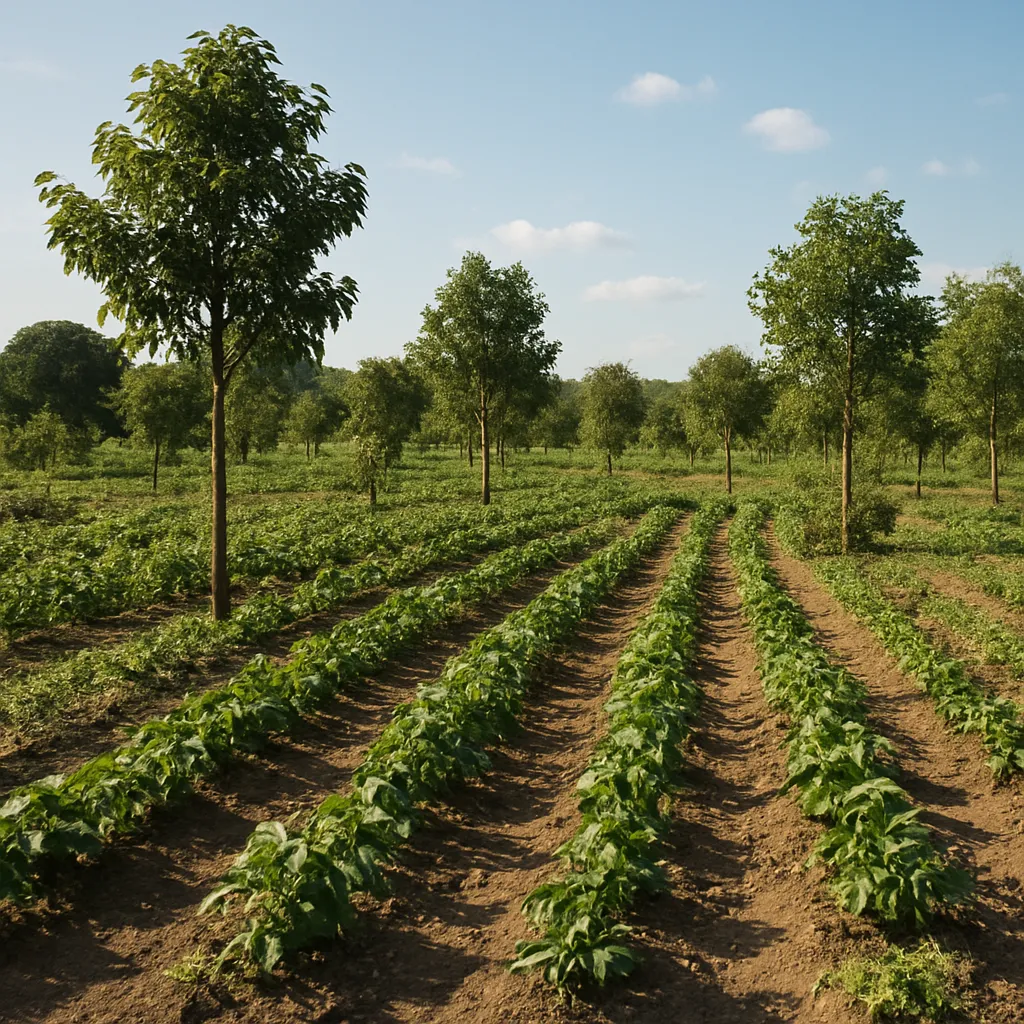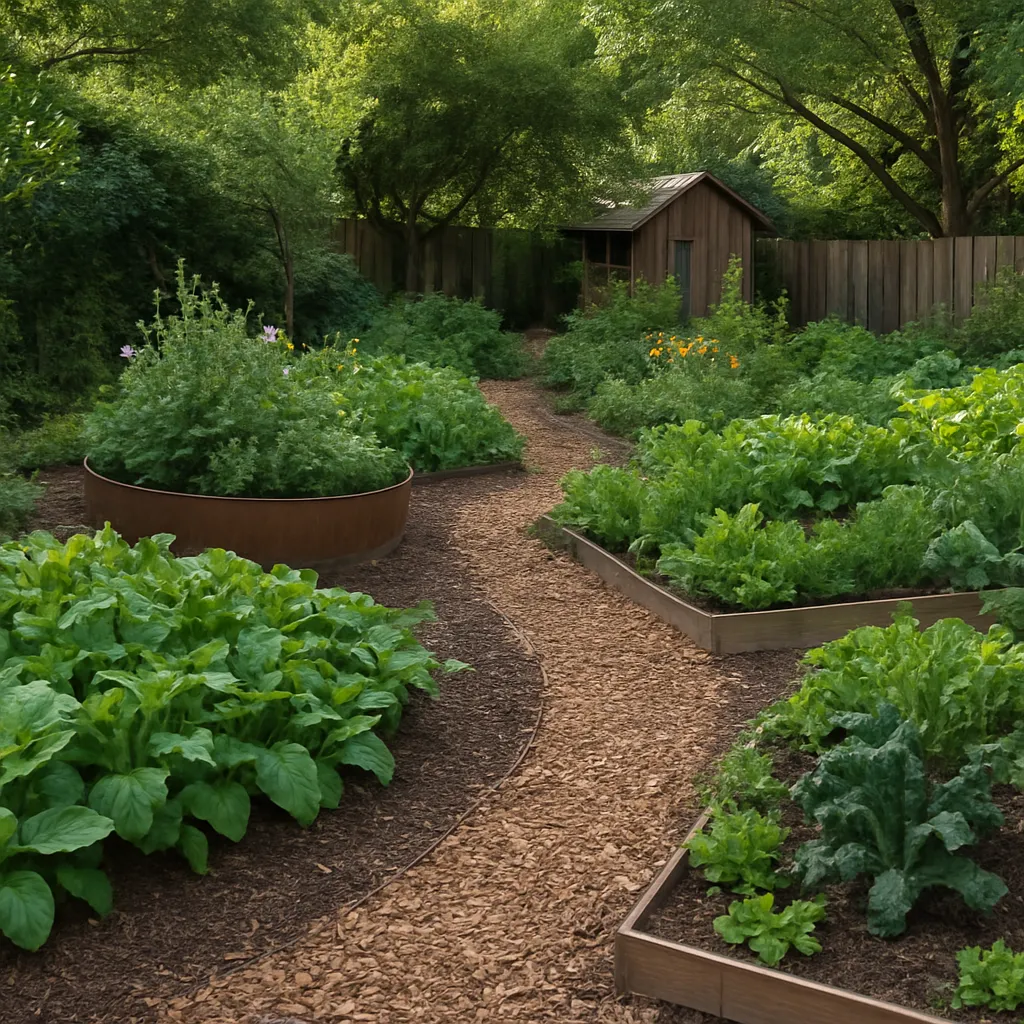
Permaculture gardening transforms a simple backyard into a flourishing, self-sustaining system. By observing natural patterns and applying ecological design principles, home gardeners can create productive landscapes that require less input of water, energy, and synthetic chemicals. Whether you have a compact urban lot or a generous suburban yard, adopting permaculture methods will enhance your connection to nature and yield a diverse harvest.
Understanding Core Principles of Permaculture
Permaculture is founded on three ethical pillars: earth care, people care, and fair share. These ethics guide every decision, from selecting plant species to designing water systems. The following principles help gardeners create resilient ecosystems:
- Observe and Interact: Spend time watching seasonal changes, sunlight patterns, and wildlife activity. These observations inform the placement of beds, ponds, and pathways.
- Catch and Store Energy: Collect rainwater, harness solar power, and build soil organic matter to capture nutrients and moisture for future use.
- Obtain a Yield: Ensure every element in your design contributes to food production, habitat creation, or nutrient cycling.
- Apply Self-Regulation and Feedback: Monitor your system, note successes and failures, and adjust strategies accordingly.
- Use and Value Renewable Resources: Favor on-site materials like wood chips for mulching and composted kitchen scraps for soil fertility.
- Design from Patterns to Details: Identify broad landscape patterns—water flow, wind direction, sun exposure—before selecting plant varieties.
Designing Your Permaculture Backyard Garden
Effective permaculture design transforms fragmented patches into cohesive zones of productivity. Begin by sketching an aerial map of your property, marking existing structures, shade areas, and slopes. Divide the garden into zones, from Zone 0 (your home) to Zone 5 (wild areas). Focus on Zones 1 and 2 for frequently tended vegetables, herbs, and small livestock.
Incorporate sector analysis to identify opportunities and constraints. For example, channel cool breezes to ventilate greenhouse structures, or place a rainwater catchment system where roof runoff is highest. Paths should follow natural contours to minimize erosion and maximize access.
Create plant guilds—groups of complementary species that support one another. A classic apple tree guild might include nitrogen-fixing clover, dynamic accumulator comfrey, pest-repellent garlic, and pollinator-attracting flowers. This integration promotes a balanced ecosystem with minimal external inputs.
Building Healthy Soil and Choosing the Right Plants
Soil is the foundation of any successful garden. Perform a simple soil test to determine pH and nutrient levels. Amend heavy clay with organic matter such as aged compost and leaf mold to improve drainage and structure. Sandy soils benefit from added biochar and well-decomposed manure to enhance moisture retention.
Practice crop rotation annually to reduce disease pressure and maintain nutrient balance. Rotate heavy feeders like tomatoes and brassicas with legumes that fix nitrogen. Cover crops such as buckwheat and vetch suppress weeds, prevent erosion, and enrich soil fertility when turned under.
Select plant varieties suited to your climate microzone. Opt for perennial vegetables—like asparagus, rhubarb, or artichokes—to reduce yearly soil disturbance. Incorporate native shrubs and groundcovers to support local pollinators and wildlife. Use companion planting strategies, for instance interplanting basil with tomatoes to repel pests and boost flavor.
Water Management and Sustainable Practices
Conserving water is essential in permaculture. Install rain barrels or cisterns to harvest rooftop runoff. Build swales—shallow, bermed channels along contours—to slow and infiltrate water, reducing erosion and maintaining consistent moisture.
Apply mulching liberally around beds to suppress weeds, moderate soil temperature, and retain humidity. Organic mulches such as straw, wood chips, or shredded leaves break down over time, feeding soil organisms and enhancing structure.
Integrate greywater systems to reuse kitchen and laundry water for irrigation. Use biofiltration plant beds with hardy species like reed canary grass or cattails to clean effluent before it reaches garden beds. Drip irrigation lines deliver water directly to root zones, minimizing evaporation and waste.
Maintaining Balance and Encouraging Biodiversity
A thriving permaculture garden teems with beneficial insects, birds, and microorganisms. Create habitat features such as bug hotels, brush piles, and flowering borders to attract pollinators and predatory insects that control pests naturally. Plant a succession of blooms from early spring through late fall to ensure a continuous nectar supply.
Monitor pest populations regularly. Handpick slug eggs, install pheromone traps for moth pests, and apply neem oil or insecticidal soap when necessary. Encourage biodiversity by mixing annuals, perennials, and self-seeding species; this diversity deters major outbreaks of any single pest or disease.
Incorporate small livestock or poultry if space allows. Chickens forage for insects and produce manure that can be composted into rich fertilizer. A rabbitry yields high-nitrogen manure pellets for direct soil application without composting.
Harvesting and Sharing the Bounty
Timely harvesting maximizes flavor and nutritional value. Learn specific cues for each crop: lettuce leaves before bolting, fruits at full coloration, and root vegetables after frost. Rotate harvest areas to prolong yields and allow plants time to regenerate.
Preserve surplus through canning, freezing, dehydrating, or fermenting. Share excess produce with neighbors, local food banks, or community-supported agriculture (CSA) groups. Seed saving from heirloom varieties secures genetic diversity and reduces the need for future seed purchases.
By embracing permaculture techniques—from soil building to water conservation—you can transform any backyard into a resilient, productive landscape. With observation, planning, and adaptive management, your garden will continue to evolve, yielding nourishment and delight year after year.