Smart farming innovations have revolutionized traditional agricultural practices, paving the way for a resilient and efficient food production system. By integrating advanced technologies, farmers can optimize resource use, manage environmental impacts, and bolster global food security. This article explores the critical role of smart agriculture, practical tips for implementation, and strategies to sustain future growth.
Precision Tools in Modern Agriculture
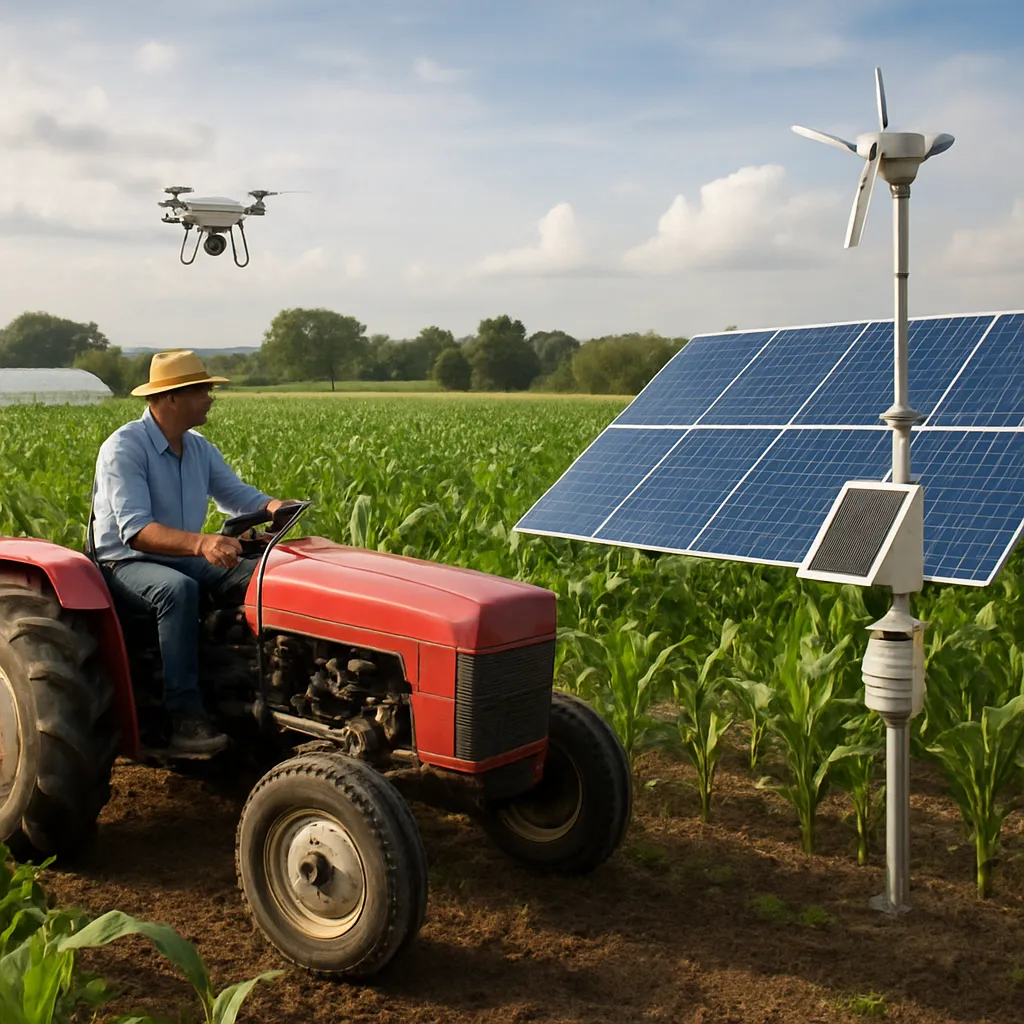
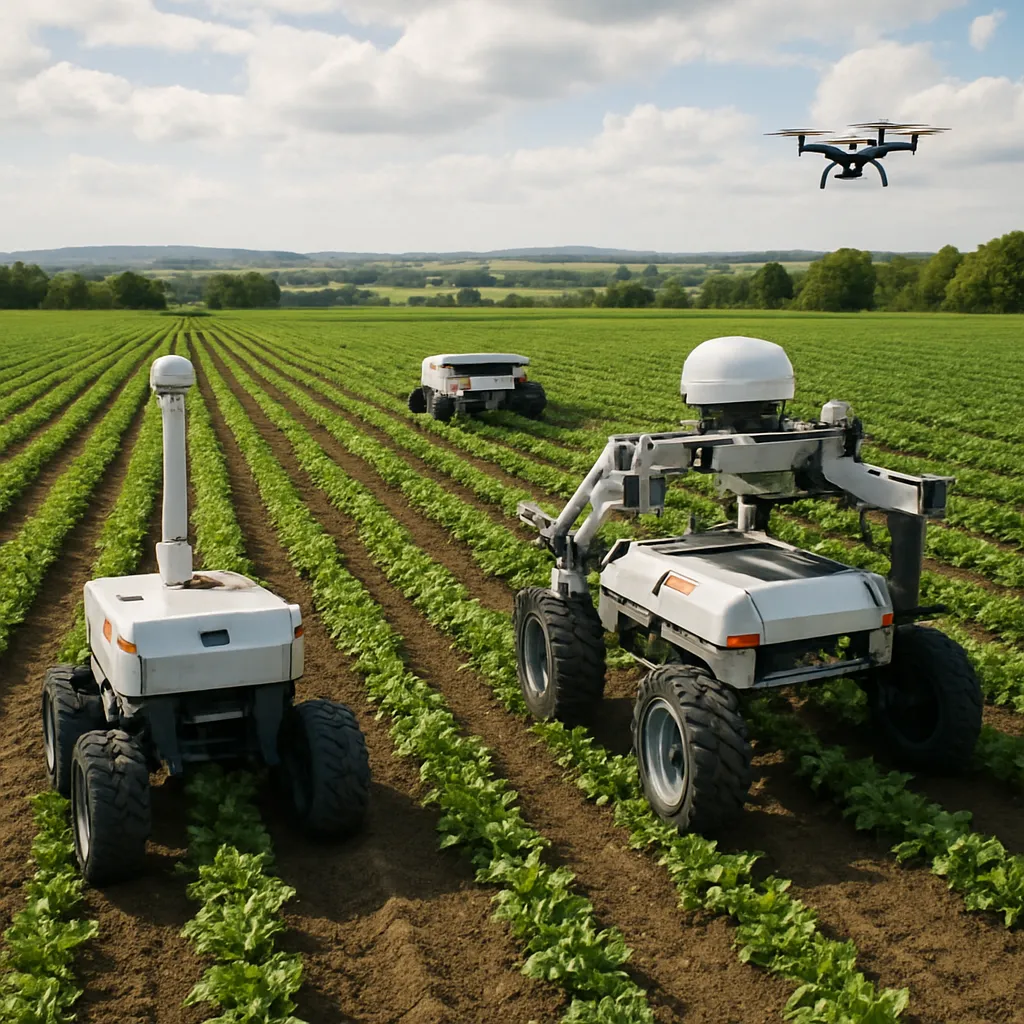
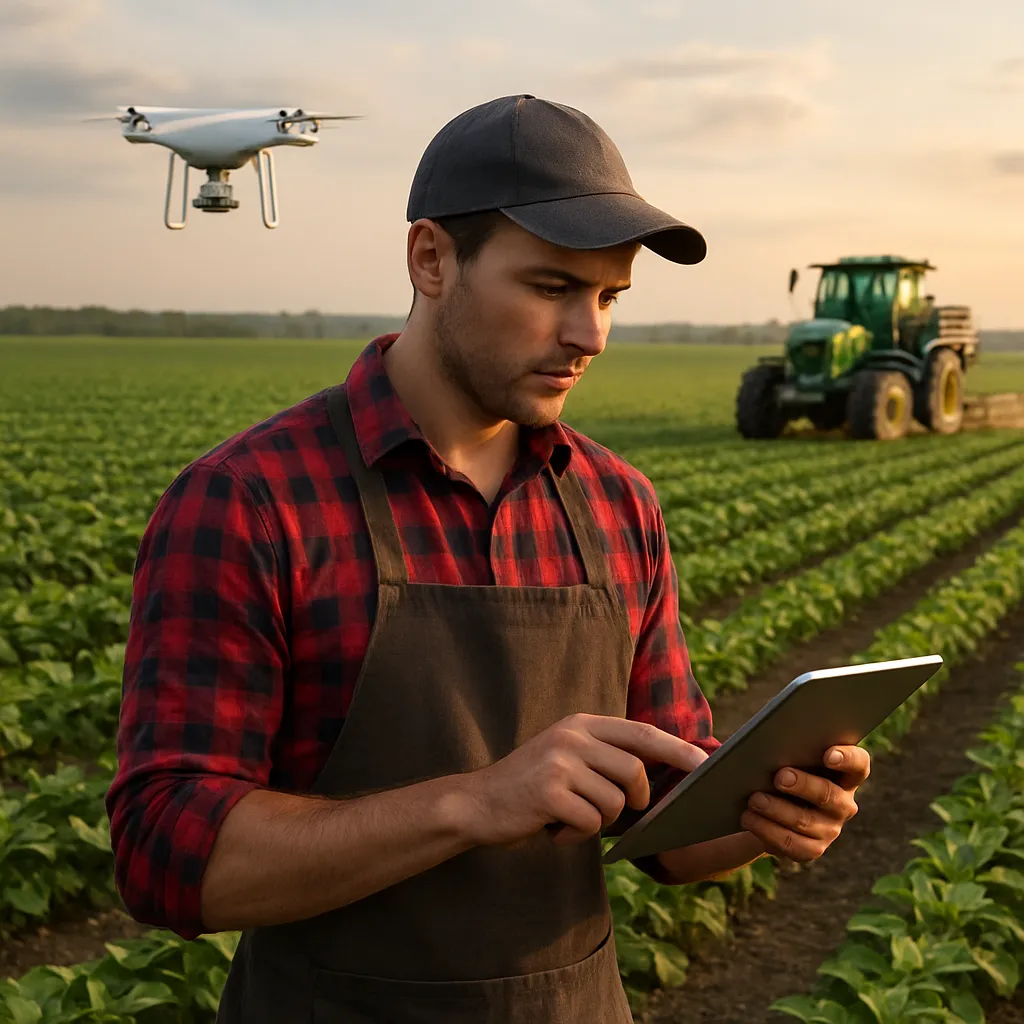
Adopting precision agriculture tools enables producers to tailor cultivation methods according to real-time field data. Drones equipped with multispectral cameras, automated tractors, and soil moisture sensors provide granular insights into crop health. These technologies facilitate targeted interventions that reduce waste, minimize costs, and maximize yields.
- Use drone-based imagery for early detection of nutrient deficiencies and pest infestations.
- Implement variable-rate irrigation systems to distribute water only where needed.
- Install soil probes to monitor moisture and pH at different depths across fields.
- Leverage robotic weeders to perform mechanical weed control without harmful herbicides.
- Calibrate seeders and planters for precision seed placement, reducing seed waste.
By harnessing these tools, farmers can apply water, fertilizers, and pesticides in precise quantities, thus promoting sustainable practices while boosting crop performance.
Data-Driven Decision Making
The rise of the Internet of Things (IoT) and cloud computing has transformed farming into a data-centric discipline. Farm management platforms collect information from sensors, weather stations, and machinery, enabling stakeholders to make proactive decisions. Integrating analytics and artificial intelligence systems refines forecasting models for planting dates, harvest times, and market demands.
- Adopt farm management software to centralize field records, yield maps, and machinery logs.
- Use predictive analytics to adjust planting schedules based on historical climate trends.
- Monitor pest pressure through automated traps connected to mobile alerts.
- Apply decision support systems for nutrient management, reducing fertilizer runoff.
- Collaborate with agronomists via virtual platforms to interpret complex datasets.
Data-driven approaches also improve traceability, assuring consumers of product safety and quality. With blockchain integration, supply chains become more transparent, further strengthening market trust.
Improving Sustainability and Resilience
Climate change, soil degradation, and water scarcity demand resilient agricultural strategies. Smart farming solutions help safeguard ecosystems and conserve resources by optimizing field operations and reducing environmental footprints. Practices such as cover cropping, integrated pest management, and regenerative methods contribute to long-term soil health and biodiversity.
Key Sustainable Practices
- Implement cover crops during fallow periods to prevent erosion and enhance soil organic matter.
- Adopt integrated pest management by combining biological controls with targeted chemical use.
- Use precision nutrient management to cut down on excess fertilizer applications.
- Rotate crops seasonally to interrupt disease cycles and improve soil fertility.
- Harvest rainwater and install drip irrigation systems to maximize water efficiency.
Innovations in biotechnology also offer drought-tolerant and disease-resistant crop varieties. By focusing on sustainability and ecological balance, farmers can build resilient agroecosystems that withstand extreme weather and market fluctuations.
Empowering Smallholder Farmers
Smallholder producers contribute significantly to global food supply but often lack resources to adopt advanced technologies. Public-private partnerships and digital extension services can bridge this gap by providing access to training, financing, and localized data. Mobile applications tailored to low-bandwidth environments enable farmers to obtain weather forecasts, market prices, and pest alerts.
- Join cooperative platforms that negotiate group discounts on smart sensors and equipment.
- Participate in community-led workshops to learn best practices for precision farming.
- Utilize microloan schemes designed for purchasing small-scale automation tools.
- Employ SMS-based advisories for real-time crop management recommendations.
- Engage with agricultural research institutions for field trials of innovative varieties.
Empowering smallholders fosters inclusivity and drives rural development. By leveraging connectivity and local networks, these farmers can increase productivity and contribute to national food security objectives.
Future Perspectives on Global Food Security
As the global population approaches 10 billion by 2050, agricultural systems must achieve higher productivity with fewer resources. Smart farming introduces automation, robotics, and biotechnology to enhance efficiency and reduce environmental impact. Genetic editing techniques and vertical farming concepts hold promise for urban and peri-urban food production, decreasing transport emissions and land pressures.
- Invest in renewable energy-powered farms, including solar- and wind-driven irrigation pumps.
- Experiment with indoor vertical farming to grow fresh produce year-round in controlled environments.
- Encourage policy frameworks that incentivize precision farming adoption through subsidies.
- Promote interdisciplinary research on agroecology, digital agriculture, and climate resilience.
- Foster global collaboration on open-data platforms for sharing best practices and innovations.
By integrating automation and advanced breeding methods, the agricultural sector can adapt to evolving challenges and secure a stable food supply. Future strategies must balance productivity growth with environmental stewardship to ensure a healthy planet for generations to come.
Keywords: agriculture, smart farming, global food security, precision tools, data-driven decisions, sustainability, resilience, connectivity, efficiency, automation