Integrating nature’s allies into your fields can transform the way you approach crop protection and pollination. By welcoming a diverse array of beneficial insects, it’s possible to reduce reliance on chemical inputs, promote sustainable practices, and enhance overall farm resilience. This guide will explore practical strategies to support and attract helpful arthropods, drawing attention to habitat design, planting schemes, and ongoing management tips.
Understanding the Role of Beneficial Insects
The Importance of Native Pollinators
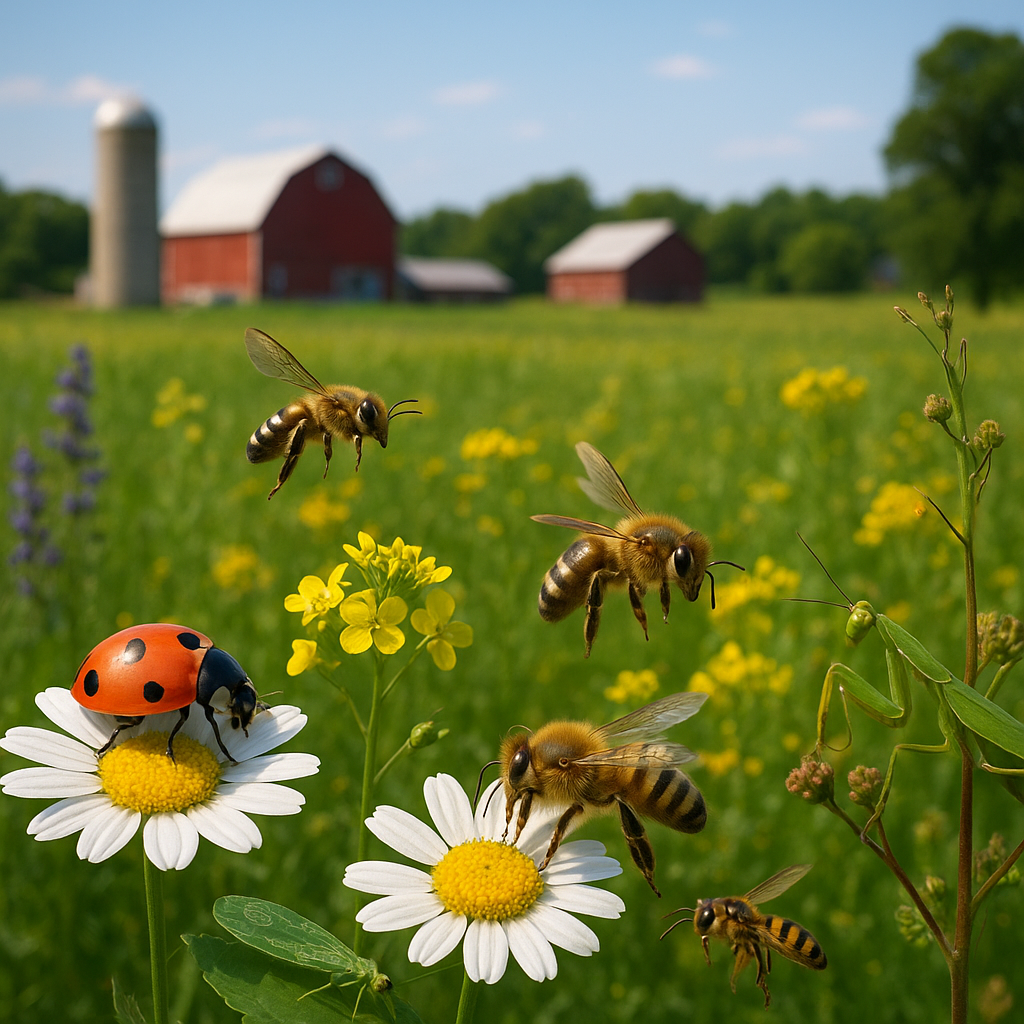
Many native bees, hoverflies, and butterflies serve as key pollinators, ensuring fruit set and seed production in a wide variety of crops. Unlike some managed species, these indigenous insects are adapted to local conditions and can operate across a broad range of temperatures and weather.
Predatory and Parasitic Allies
Aphid-eating ladybugs, ichneumon wasps, lacewings, and ground beetles represent just a few of the voracious predators and parasitoids you can harness. They help keep pest populations in check by feeding on or depositing eggs within harmful insects, reducing outbreaks of aphids, caterpillars, and other crop-damaging pests.
Enhancing On-Farm Biodiversity
A diverse farm ecosystem can stabilize population dynamics. When more species coexist, no single pest can erupt unchecked. By providing food, shelter, and breeding sites for multiple beneficial insects, overall biodiversity rises, creating a self-regulating environment that supports long-term crop health.
Designing an Insect-Friendly Habitat
Creating Shelter and Nesting Sites
- Install insect hotels or bundles of hollow stems for solitary bees and wasps.
- Leave patches of bare soil or sandy areas for ground-nesting bees.
- Maintain decaying wood piles to attract beetles and spiders that prey on pests.
Providing Continuous Sources of Nectar and Pollen
By offering a series of flowering plants that bloom sequentially throughout the season, you ensure that adult beneficial insects always have a food supply. Avoid monocultures of bloom; instead, intersperse wildflowers, herbs, and cover crops.
- Early Spring: Willow catkins, dandelion.
- Late Spring: Phacelia, borage.
- Summer: Buckwheat, alyssum, clover.
- Fall: Goldenrod, asters, tansy.
Water Sources and Microclimate Considerations
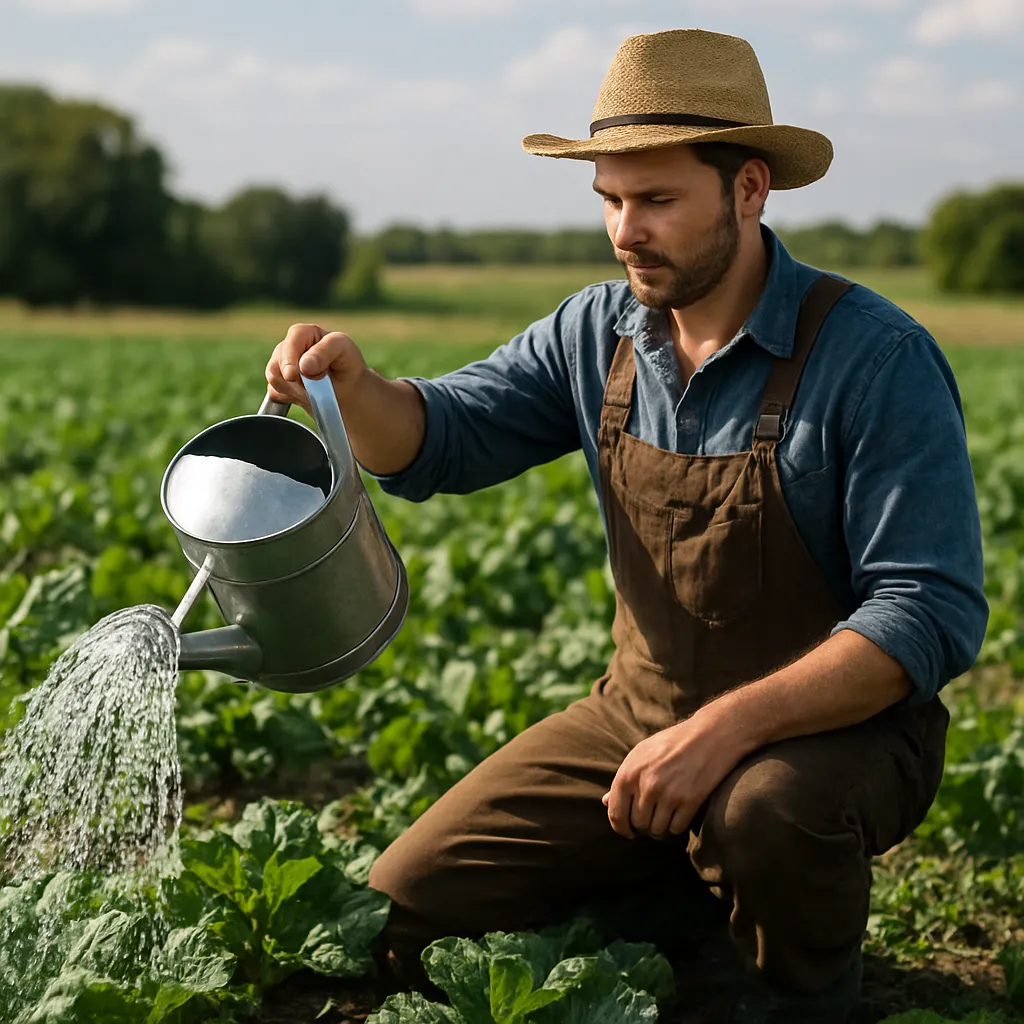
Shallow water stations with pebbles for landing, mist systems, or damp sand patches can supply moisture for nectar feeders. Additionally, windbreaks, hedgerows, and living fences help moderate temperature extremes and protect small insects from strong gusts.
Selecting and Planting Companion Crops
Intercropping for Pest Suppression
Intercrop tall, fast-growing annuals with lower-growing vegetables to create vertical structure. This variation confuses pests and encourages beneficials to patrol multiple layers of foliage.
- Tomatoes with basil and oregano to deter whiteflies and support lacewings.
- Brassicas with calendula and mustard to attract syrphid flies and parasitic wasps.
- Beans with nasturtium to lure aphids away from the main crop, drawing in predatory hoverflies.
Cover Crops as Insectary Strips
Plant dedicated insectary strips along field margins using a blend of annuals and perennials. Look for species known to attract beneficials, such as sunflowers, buckwheat, and phacelia, mixed with perennial herbs like yarrow and thyme.
Timing and Crop Rotations
Rotate between families of crops to disrupt pest life cycles. Incorporate legumes for nitrogen fixation and to foster soil health—an indirect yet powerful way to encourage a thriving on-farm ecosystem.
Maintaining a Balanced Ecosystem
Minimizing Broad-Spectrum Pesticide Use
When chemical intervention is necessary, opt for targeted, low-toxicity products. Apply treatments in early morning or late evening when most beneficial insects are inactive. Use spot treatments rather than blanket applications to preserve non-target species.
Monitoring and Adaptive Management
- Install yellow sticky traps to gauge aphid pressure and beneficial fly activity.
- Scout on a weekly basis to identify pest hotspots and beneficial insect presence.
- Keep records of insect counts, weather conditions, and interventions to refine your approach over time.
Encouraging Sustainable Practices
Complement biological control with cultural methods—like crop sanitation, mulching, and proper irrigation—to reduce pest habitat and support beneficials. Agroforestry elements, such as alley cropping or windbreaks with fruit trees, can further diversify shelter and forage opportunities.
Advanced Strategies for Long-Term Success
Integrating Livestock for Pest Control
Grazing poultry under orchards or between vine rows can reduce eggs and larvae of soil-dwelling pests. Chickens scratch and peck at the ground, exposing grubs and slugs to predation, while manure provides nutrients for flowering plants that feed insects.
Landscape-Level Collaboration
Work with neighboring farms to establish corridors of wildflower strips and hedgerows. A connected network of habitats supports greater movement of beneficials across the landscape, enhancing overall regional biodiversity.
Continuous Learning and Community Engagement
- Attend workshops and field days focused on conservation biological control.
- Share on-farm observations with local extension services or online forums.
- Participate in citizen science projects tracking pollinator health.
By weaving together habitat design, companion planting, vigilant monitoring, and collaboration, your farm can become a sanctuary for beneficial insects. The resulting boost in natural pest regulation and pollination services will contribute to healthier crops and a more resilient, sustainable operation.