Exploring the intersection of cutting-edge technology and modern farming unveils a transformative era for agriculture. Innovations driven by advances in environmental monitoring, data analytics, and sustainable energy are reshaping traditional practices to tackle global challenges. This article examines the pivotal role of technology in enhancing productivity, conserving resources, and building resilient food systems.
Advancements in Precision Agriculture
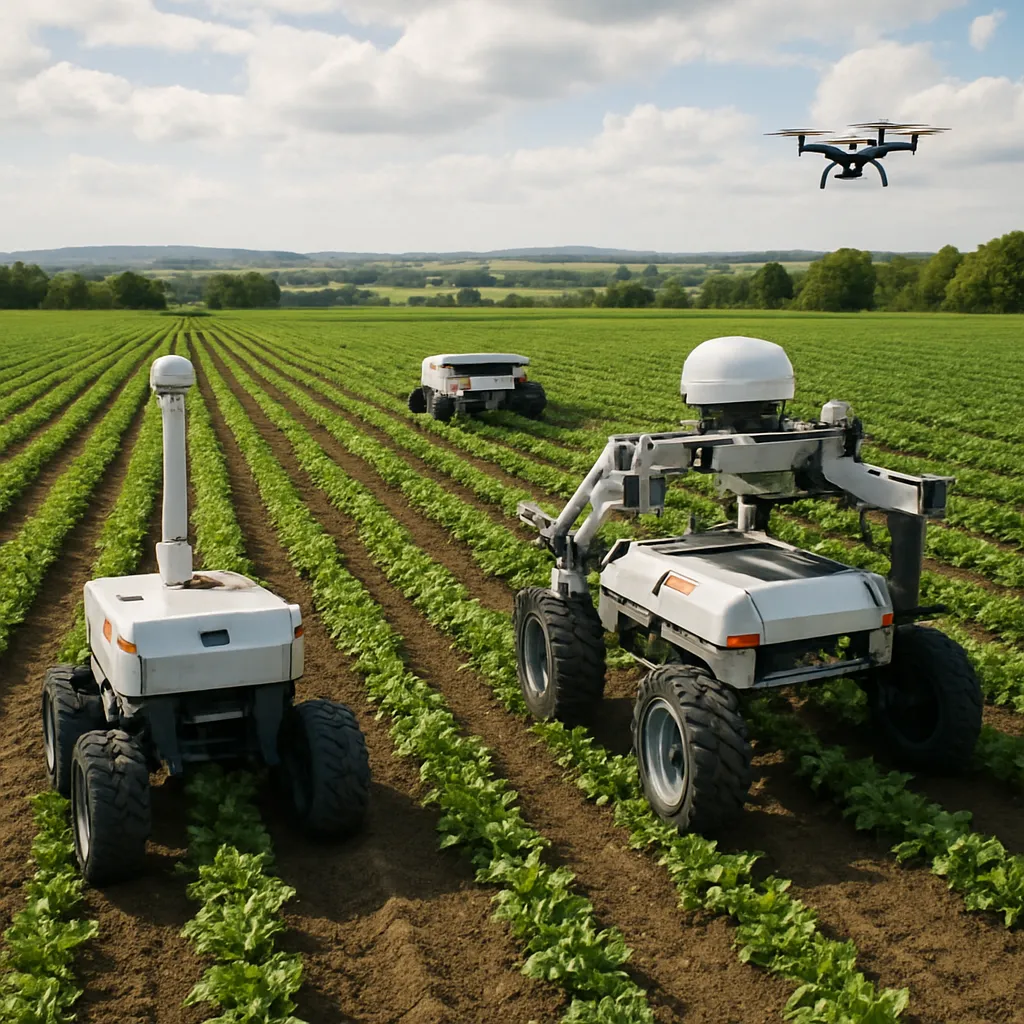
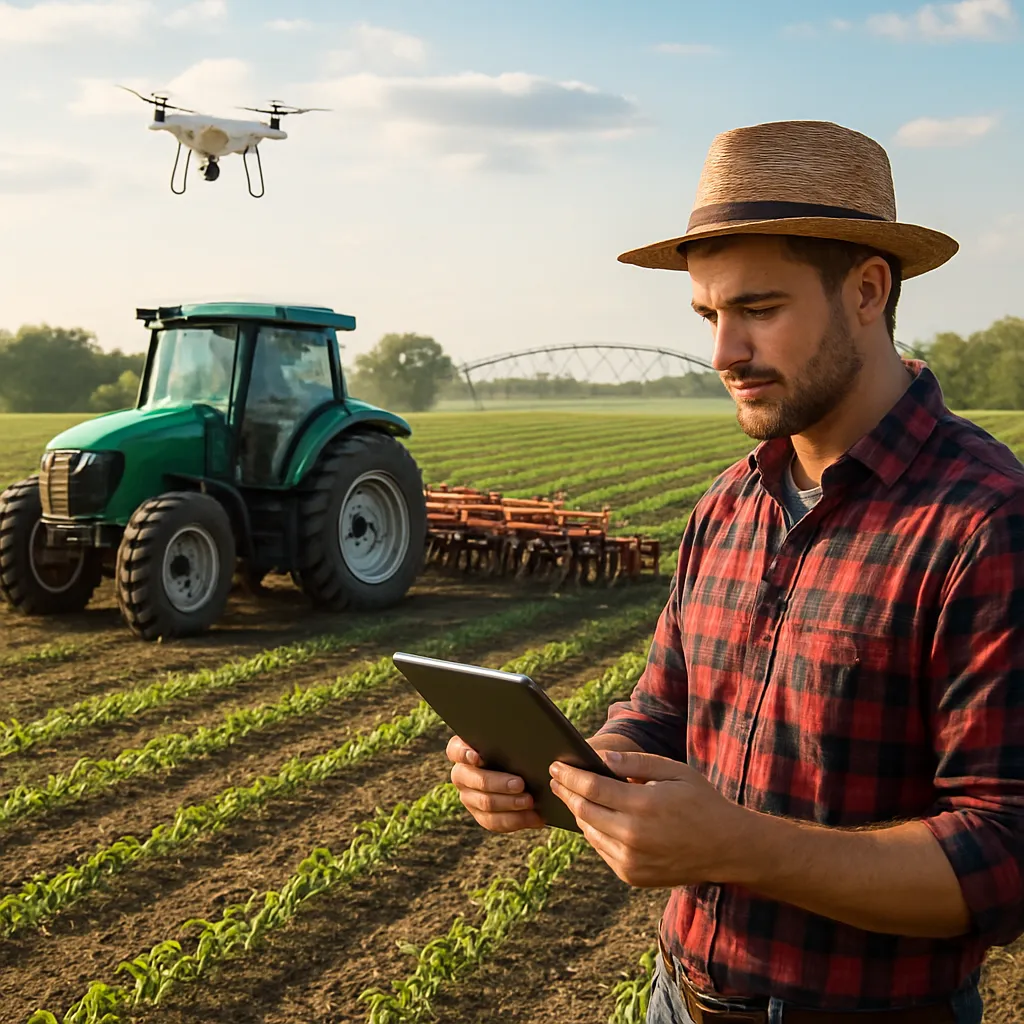
Precision agriculture harnesses satellite imagery, drones, and ground-based sensors to optimize field operations. By collecting real-time data on soil moisture, nutrient levels, and crop health, farmers can tailor interventions at a micro level, reducing waste and boosting overall yield.
Remote Sensing and Drone Applications
- Multispectral cameras capture variations in plant health.
- Thermal imaging identifies irrigation inefficiencies.
- High-resolution mapping supports targeted fertilization.
These tools enable farmers to detect emerging stress factors—such as pest infestations or water deficits—long before they become visible to the naked eye.
Data-driven Decision Making
Artificial intelligence algorithms analyze historical and current field data to recommend optimal planting dates, seeding rates, and input applications. By leveraging machine learning, farms can adapt to weather fluctuations and market demands with unprecedented innovation.
Sustainable Water Management Strategies
Efficient water use is vital for sustainable agriculture, especially in regions facing prolonged droughts. Modern irrigation systems equipped with smart controls significantly reduce water consumption while maintaining crop vitality.
- Drip irrigation delivers water directly to plant roots, minimizing evaporation.
- Automated scheduling aligns irrigation with real-time soil moisture readings.
- Rainwater harvesting and storage enhance on-farm water security.
Implementing these practices not only conserves a precious resource but also reduces energy costs associated with pumping and distribution.
Climate-resilient Crop Varieties
Crop breeding programs now integrate genomic tools to develop strains that withstand extreme temperatures, salinity, and disease pressures. This focus on genetic resilience helps safeguard food supplies in the face of shifting climate patterns.
Biotechnology and Gene Editing
- CRISPR-Cas9 techniques accelerate the creation of stress-tolerant cultivars.
- Marker-assisted selection identifies desirable traits efficiently.
- Biocontrol organisms reduce reliance on chemical pesticides.
By embracing these methods, farmers can achieve higher outputs with fewer inputs, promoting long-term farm sustainability.
Renewable Energy Integration on Farms
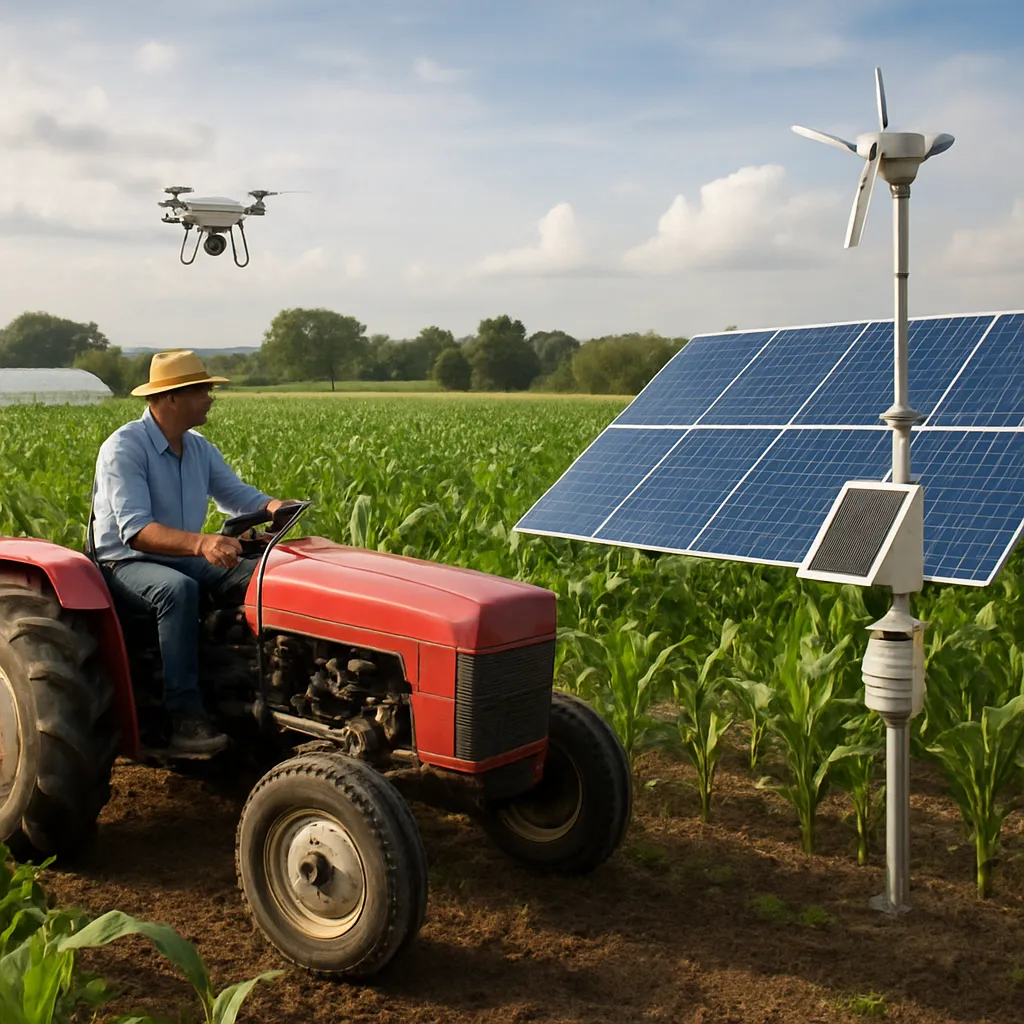
Transitioning to clean energy sources is a cornerstone of climate-smart agriculture. Solar panels, wind turbines, and biogas digesters reduce greenhouse gas emissions and offer cost savings over time.
- Solar-powered water pumps eliminate diesel consumption.
- Wind energy systems supply electricity for processing facilities.
- On-site biogas plants convert manure into heat and power.
These solutions foster energy independence, making farms less vulnerable to volatile fuel prices.
Enhancing Soil Health with Technology
Maintaining fertile, living soils underpins productive agriculture. Soil sensors and precision applicators support regenerative practices that build organic matter and foster biodiversity.
- Real-time pH monitoring guides lime and gypsum treatments.
- Variable-rate seeding optimizes crop density for root development.
- Cover crop management tools track biomass accumulation.
Healthy soils not only yield stronger crops but also sequester atmospheric carbon, contributing to broader environmental goals.
Practical Tips for Technology Adoption
Integrating new tools into farm operations can seem daunting. The following guidelines help streamline the transition and maximize returns on investment.
- Start small: pilot-test a single field or crop before scaling up.
- Partner with extension services or agri-tech providers for tailored support.
- Invest in training—ensuring operators understand hardware and software.
- Monitor performance metrics regularly to justify ongoing expenditures.
- Stay informed about government incentives for sustainable upgrades.
By approaching technology adoption methodically, farmers can mitigate risks and unlock the full potential of modern agriculture.