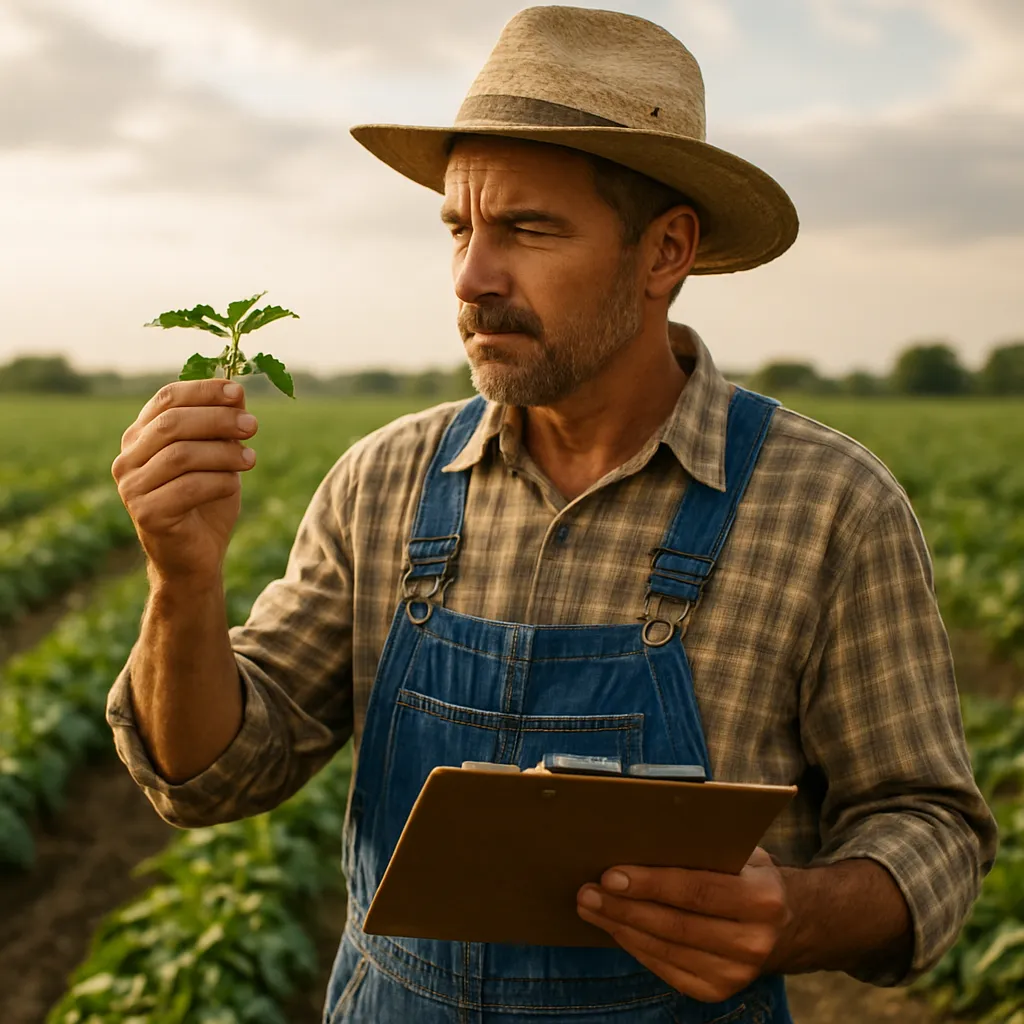
In every corner of the world, farmers face a similar goal: grow more with less while protecting their land for the next generation. Climate, soil and markets may differ, yet some principles of modern agriculture work almost everywhere. By combining practical experience with innovation, it is possible to raise yields, cut costs and build resilience at the same time. This article gathers expert tips that farmers in any region can adapt to their own conditions. For more in‑depth smart farming advice, producers are increasingly turning to digital tools and networks, but strong fundamentals in soil, water, crops and management remain essential. The following sections focus on actions that can be started on small plots or large farms and scaled step by step, without requiring unrealistic investments.
Know Your Soil Like a Business Partner
Soil is the foundation of every farm, yet it is often managed with guesswork. Successful farmers treat soil as a living, economic asset that must be measured and monitored. The first action in any region is to carry out regular soil tests for pH, organic matter, major nutrients and, where possible, micronutrients. Even basic tests taken every two or three years can prevent over‑fertilization, poor crop performance and hidden losses.
Once the baseline is known, adjust pH with lime or other amendments to keep most crops within a favorable range. At the same time, increase organic matter through crop residues, compost, well‑managed manure, cover crops or reduced tillage. Higher organic matter improves water holding capacity, nutrient availability and soil structure, which means roots can penetrate more deeply and withstand drought or excess rain.
Farmers in both temperate and tropical climates should also watch soil compaction. Heavy machinery and frequent passes with tillage tools create dense layers that block root growth and reduce yields. Strategies such as controlled traffic, lighter equipment, permanent beds and shallow cultivation help keep the soil open and aerated. Even simple practices, like avoiding working the field when it is too wet, prevent long‑term damage to soil structure.
Plan Rotations Instead of Single Crops
Monocropping seems easier to manage but usually leads to more pests, diseases and weeds, as well as declining soil health. Rotations break these cycles and distribute risk across different crops. In any region, a good rotation includes crops with different root depths, nutrient demands and market windows. Legumes such as beans, peas, lentils, clover or alfalfa fix atmospheric nitrogen and reduce the need for synthetic fertilizer in the following crop.
When designing a rotation, combine cash crops with soil‑building crops. For example, cereals can follow legumes, and deep‑rooted crops can follow shallow‑rooted ones to explore different soil layers. Rotations also allow more flexibility in using herbicides, mechanical weeding or grazing to manage weed pressure. Over several years, a well‑planned rotation stabilizes yields and reduces input costs, which directly improves farm profitability.
Farmers with small areas can still rotate by dividing fields into strips or beds and cycling crops each season. The key is to track what grew where and avoid planting related crops, such as tomatoes and peppers, in the same place year after year. Simple records, even on paper, help prevent mistakes and guide better decisions.
Use Water With Precision and Respect
Water scarcity and excess water are both increasing problems. Efficient water management begins with understanding how much water crops actually need at different growth stages. Observations in the field should be combined with simple tools such as tensiometers, soil moisture sensors or even manual soil checks using a spade.
Where irrigation is available, switching from flood irrigation to sprinkler or drip systems usually improves efficiency. Drip irrigation places water closer to the root zone and reduces evaporation losses, making it suitable for high‑value crops in dry regions. Sprinklers can serve larger fields while still using less water than uncontrolled flooding. Maintenance is crucial: clogged emitters, leaking joints and poorly adjusted nozzles waste water and energy.
Even in rain‑fed systems, farmers can increase effective water use. Practices such as mulching, maintaining ground cover, contour farming and conservation tillage reduce runoff and evaporation. Planting windbreaks and hedges lessens drying winds and supports beneficial insects. Every action that boosts soil organic matter also raises the capacity of the soil to store water, giving crops a wider safety margin during dry spells.
Adopt Integrated Pest and Disease Management
Exclusive reliance on chemical pesticides is costly and risky. Integrated Pest Management, or IPM, combines multiple strategies to keep pests, weeds and diseases below damaging levels while preserving farm ecology. The first rule of IPM is regular scouting: walk the fields, check leaves, stems and roots, and identify problems early. Timely observation often allows simple interventions instead of emergency spraying.
Biological and cultural controls play a central role in IPM. Crop rotation, resistant varieties, clean seed and sanitation of crop residues limit the spread of pathogens. Natural enemies such as lady beetles, parasitic wasps and predatory mites can be protected by reducing broad‑spectrum insecticide use and preserving flowering plants around fields. Mechanical controls, including traps, hand weeding and targeted cultivation, are often effective in small or high‑value plots.
When chemical products are necessary, choose targeted active ingredients, follow recommended doses and alternate modes of action to avoid resistance. Record each treatment with date, dose and weather conditions. This information helps evaluate efficacy and comply with regulations, while also guiding future decisions. Over time, a balanced IPM strategy cuts costs, protects beneficial organisms and slows the development of resistant pest populations.
Choose the Right Varieties and Seed Quality
Seed is one of the smallest inputs by weight yet one of the most powerful. High‑quality, certified seed of well‑adapted varieties can raise yields significantly without changing other practices. Farmers should select varieties based on local climate, soil type, growing season length and market demand, not only on headline yield potential.
In areas with disease pressure, varieties with genetic resistance or tolerance offer built‑in protection. For dry zones, drought‑tolerant or early‑maturing varieties shorten the risk period and make better use of limited rainfall. Where heat waves or late frosts are frequent, staggering plantings and using a mix of varieties spreads risk and stabilizes income.
Seed handling is equally important. Store seed in cool, dry, rodent‑proof conditions and avoid exposure to direct sunlight. Germination tests, even simple ones done with moist paper, indicate whether carry‑over seed is still viable. Planting poor seed often leads to uneven stands, weak plants and more problems throughout the season.
Balance Fertilization With the 4R Approach
Fertilizers are essential on many farms, but their effectiveness depends on how they are used. A widely accepted principle is the 4R approach: the right source, right rate, right time and right place. Applying these four aspects reduces waste and environmental impact while improving nutrient use efficiency.
The right source means matching fertilizer type to crop needs and soil conditions. For example, acidic soils may benefit from forms that raise pH less, while alkaline soils may require more soluble sources. Organic amendments such as manure or compost should be tested when possible, because their nutrient content can vary widely.
Determining the right rate starts with soil tests, expected yields and past crop performance. Excess nitrogen or phosphorus is not only a cost but also a pollution risk, leading to leaching and water contamination. Splitting nitrogen into multiple doses during the growing season often improves uptake, especially in regions with heavy rains. Placing fertilizer close to, but not directly on, the seed or root zone helps plants access nutrients efficiently and minimizes losses.
Use Machinery and Energy Efficiently
Mechanization saves labor but, if mismanaged, can destroy soil structure and increase costs. Matching equipment size to field conditions and power availability is essential. Oversized tractors cause compaction and burn fuel without adding real productivity. Smaller, lighter machines or shared equipment among neighbors may be more economical in many regions.
Preventive maintenance extends machine life and cuts breakdowns at critical times. Simple routines such as daily checks, timely oil changes, regular filter cleaning and proper tire inflation reduce fuel consumption and repair costs. Keeping accurate records of fuel use, hours worked and repairs helps identify which operations are most expensive and where savings are possible.
Energy efficiency also extends to drying, storage and processing. Well‑designed storage that uses natural ventilation or passive cooling, where feasible, protects grain quality with minimal power use. Insulation, careful control of airflows and regular cleaning of fans and ducts make mechanical drying more efficient in humid climates.
Leverage Digital Tools and Farm Records
Digital technologies are no longer reserved for large, industrial farms. Simple smartphone applications, GPS tools and basic sensors can support decisions even on small holdings. Recording planting dates, varieties, fertilizer rates, pest problems and yields provides a powerful database for future planning. Over several seasons, these records reveal patterns that are not visible from memory alone.
Precision agriculture tools, such as variable‑rate application of nutrients or automated guidance systems, may require investment but can pay back through savings in inputs and improved yields. However, farmers should start with what is accessible: accurate maps of fields, notes on soil differences across the farm and photos of crop performance at different times of year. These data allow more targeted experiments and help evaluate new practices objectively.
Connectivity also enables remote advice and training. While every farm is unique, sharing results with peers and experts accelerates learning and avoids repeating the costly mistakes others have already made. The combination of local knowledge and digital support is a strong asset for navigating climate change and volatile markets.
Build Resilience Through Diversity
Diversity in crops, income sources and markets is a central strategy for resilience. Relying on a single commodity exposes the farm to price crashes, pests and weather extremes. Integrating crops with livestock, where appropriate, creates internal nutrient cycles and adds value to by‑products. For example, crop residues can feed animals, while manure fertilizes fields.
On the crop side, mixing species and varieties within fields can reduce pest and disease losses. Intercropping, relay cropping and agroforestry systems spread risk and make better use of light, water and nutrients. Trees and shrubs provide shade, wind protection, fuelwood, fodder and sometimes fruit or timber for sale, while their roots stabilize soil and increase carbon storage.
Diversifying markets is equally important. Supplying local consumers, processors and, when possible, specialty buyers reduces dependence on a single channel. Value‑adding activities such as on‑farm processing, direct sales or agritourism may not suit every situation, but even small steps toward diversified income can make a big difference during difficult seasons.
Prioritize Farm Safety and Labor Well‑Being
Safe and healthy working conditions are essential for long‑term farm success. Accidents with machinery, chemicals or animals can cause severe injuries and financial losses. Basic safety measures include clear storage of agrochemicals, correct labeling, wearing appropriate protective clothing and ensuring that all workers understand how to operate equipment.
Training is crucial, especially for young or seasonal workers. Demonstrating correct lifting techniques, safe driving speeds, emergency procedures and first‑aid basics prevents many common incidents. Where possible, schedule heavy tasks in cooler parts of the day to reduce heat stress, and provide shaded rest areas and drinking water.
Well‑being also relates to fair pay, reasonable working hours and clear communication among family members and hired labor. A farm that values its people retains skills and experience, which translates into more efficient, higher‑quality work and better decision making in the field.
Plan Financially and Manage Risk
Technical skills must be matched with solid financial management. Keeping simple but accurate records of all costs and revenues per crop allows farmers to calculate margins and identify the most and least profitable activities. Tools such as enterprise budgets and cash‑flow forecasts help plan purchases, loan repayments and investments over the year.
Risk management strategies vary by region but may include crop insurance, forward contracts, savings plans or participation in cooperatives. Group purchasing of inputs and collective marketing can secure better prices and reduce individual exposure to market fluctuations. Even informal savings groups among neighbors provide a buffer against unexpected events such as equipment failure or medical emergencies.
Regularly reviewing financial results encourages timely adjustments. If a crop or activity consistently fails to generate acceptable returns, it may be time to change practices, scale down or replace it with more promising options. Continuous evaluation is a hallmark of professional farming, regardless of farm size.
Commit to Continuous Learning
Agriculture is changing faster than ever due to climate shifts, new regulations and emerging technologies. Farmers who thrive treat learning as part of their job, not an occasional event. Visiting demonstration plots, participating in local farmer groups, attending short courses or engaging with extension services all contribute to better decisions.
Experiments on the farm itself are especially valuable. Testing a new variety, planting density or fertilizer strategy on a small strip before adopting it widely reduces risk and provides local evidence. Clear records, side‑by‑side comparisons and honest evaluation are more reliable than relying solely on sales claims or general advice.
Finally, sharing both successes and failures with neighbors builds a stronger farming community. Collective knowledge supports innovation and resilience, helping farmers in every region adapt to challenges while protecting their land, water and livelihoods for the future. By focusing on soil health, efficient inputs, smart water use, diversity and sound management, any farm can move steadily toward more resilient, profitable and sustainable production.