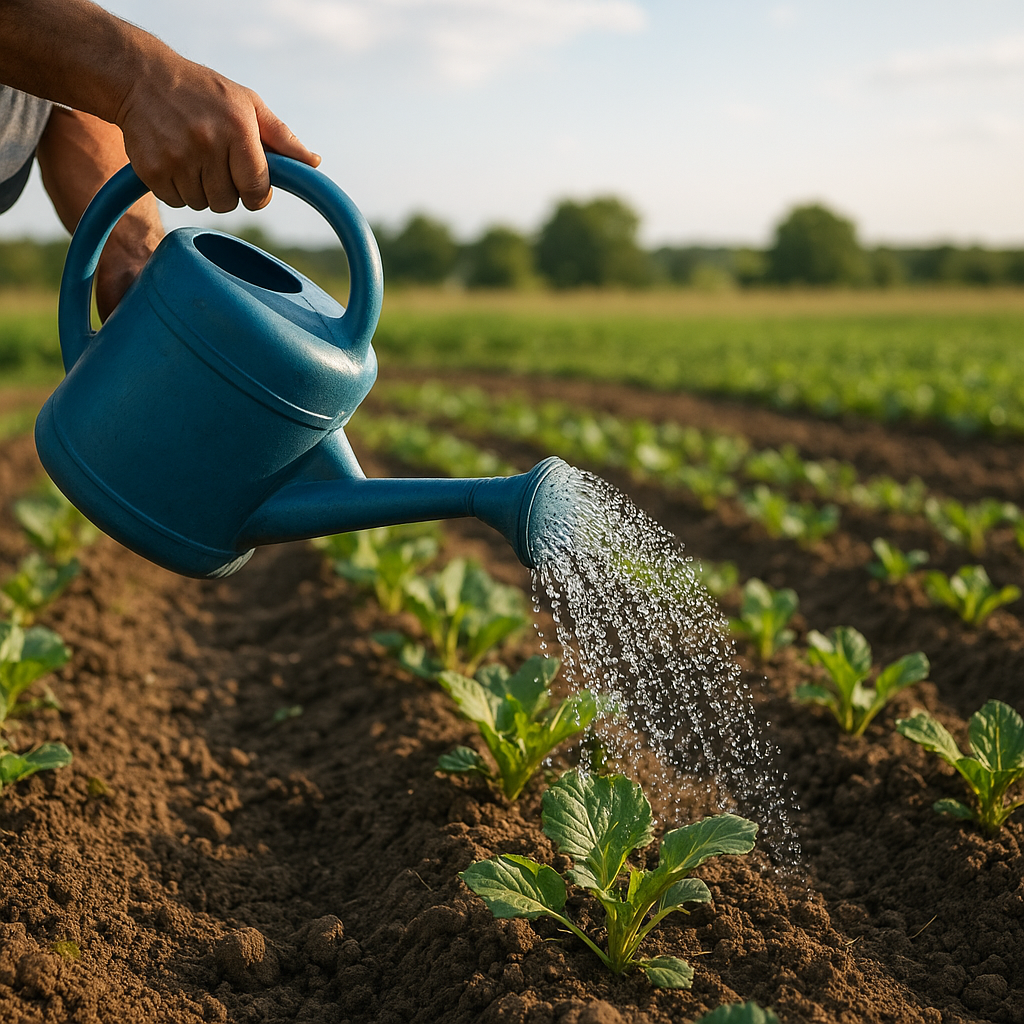
Water is the lifeblood of modern agriculture, driving both plant growth and the livelihoods of millions of farmers around the world. With increasing pressure from climate change, population growth, and depleting freshwater resources, adopting effective water-saving methods is more critical than ever. By embracing sustainability and prioritizing smart resource management, producers can boost productivity while preserving precious water supplies for future generations.
Understanding the Importance of Effective Water Management
Efficient water use is not only a matter of saving resources but also a pathway to enhancing overall farm resilience. When farmers implement best practices, they can achieve higher crop yield with less waste. Key considerations include:
- Assessing field topography to reduce runoff and uneven distribution.
- Monitoring rainfall patterns to align planting schedules with natural precipitation.
- Establishing water budgets that match crop requirements, minimizing overwatering.
By combining detailed soil analysis with climate data, growers unlock new levels of efficiency in water allocation. This approach helps support healthy root systems and reduces the risk of disease caused by overly wet conditions.
Innovative Irrigation Techniques for Maximum Savings
Drip and Subsurface Irrigation
Drip systems deliver water directly to the root zone, curbing evaporation and surface runoff. Using underground lines, drip irrigation can save up to 60% of water compared to traditional flood methods. Benefits include:
- Precise delivery of moisture to plant roots.
- Reduced weed growth, since surface soil remains drier.
- Lower disease incidence due to limited leaf wetting.
Sprinkler Upgrades and Micro-Sprays
Modern sprinklers with adjustable nozzles and pressure controllers enhance water distribution uniformity. Micro-sprays emit small droplets that settle gently, minimizing drift and evaporation, which boosts overall precision agriculture efforts. Regular calibration and maintenance ensure long-term performance improvements.
Scheduled Deficit Irrigation
This method purposefully supplies less water than full crop evapotranspiration requirements at specific growth stages, fostering moderate stress reactions that can actually improve fruit quality and root development. Farmers must carefully monitor stress thresholds to avoid irreversible yield losses.
Soil and Crop Management Strategies
Water retention in soil is a critical factor influencing how much irrigation is necessary. By enhancing the soil’s ability to hold water, producers can reduce overall usage without sacrificing productivity.
Organic Amendments and Mulching
- Adding compost or biochar improves soil structure and increases soil moisture retention capacity.
- Applying organic mulch layers reduces surface evaporation by up to 30% and suppresses weeds.
Cover Crops and Crop Rotation
Cover crops, such as legumes or grasses, protect bare soil, reducing evaporation and erosion. When incorporated into regular crop rotations, they contribute organic matter that enhances water-holding capacity. Strategic rotations break pest cycles and improve long-term soil health.
Selection of Drought-Tolerant Varieties
Breeding and selecting cultivars adapted to low-water conditions can mitigate stress during dry spells. These varieties often exhibit deeper root systems, better osmotic regulation, and improved water use efficiency under limited supply.
Leveraging Technology for Smart Water Use
Advances in farm technology have opened new horizons for resource management. Integrating digital tools allows farmers to track real-time water usage and environmental conditions, enabling dynamic decision-making.
Soil Moisture Sensors and IoT Networks
Deploying sensors at multiple soil depths provides continuous data on moisture levels. When connected through Internet of Things (IoT) platforms, these sensors feed into central dashboards, allowing automated irrigation triggers only when certain thresholds are crossed. This approach cuts unnecessary cycles and maintains optimal root zone conditions.
Remote Sensing and Drones
Multispectral imaging from drones or satellites reveals plant health indicators and water stress signatures across large areas. Farmers can identify zones of under- or over-irrigation, fine-tuning their systems to match actual field needs. These insights streamline water distribution and prevent losses.
Automated Control Systems
Smart controllers, linked to weather forecasts and on-site sensors, adjust irrigation schedules in real time. By predicting rainfall events, these systems can delay watering, avoiding overlaps and reducing waste. Automation also reduces labor costs and human error.
Water-Smart Infrastructure and Community Practices
Building resilient agricultural systems extends beyond individual fields; it involves coordinated efforts at community and regional levels. Collective actions can generate significant water savings and shared benefits.
Rainwater Harvesting and Storage
Capturing surface runoff during heavy rains and storing it in ponds, tanks, or lined terraces provides an additional water source during dry spells. Effective rainwater harvesting reduces dependence on groundwater and brings greater supply stability.
On-Farm Reservoirs and Reuse
Secondary reservoirs collect return flows from irrigation systems, which can be treated and recycled for subsequent applications. Reuse strategies conserve mains water, mitigate drainage issues, and deliver financial savings over the long term.
Collaborative Water Management
Farmers’ cooperatives and watershed alliances facilitate knowledge sharing and pooled investments in large-scale infrastructure. By aggregating demand and coordinating use schedules, communities optimize water allocations and buffer against drought extremes.
Policies and Incentives Supporting Water Conservation
Regulatory frameworks and financial incentives play a pivotal role in promoting on-farm water savings. Governments, NGOs, and private entities can support adoption of best practices through:
- Subsidies for efficient irrigation equipment purchases.
- Grants and low-interest loans for on-farm water infrastructure.
- Technical assistance programs that train farmers in modern techniques.
- Water pricing schemes that encourage prudent usage without compromising food security.
When policy aligns with innovation, growers feel empowered to transition toward more sustainable methods, ensuring both economic viability and environmental conservation.
Building a Resilient Agricultural Future
Adopting a holistic approach to farm water management is vital for long-term resilience. Practices such as precision irrigation, soil enhancement, technology integration, and community collaboration collectively strengthen the sector’s ability to thrive under changing climatic conditions. By championing water-saving strategies and fostering a culture of continual improvement, agriculture can sustain productivity and safeguard vital resources for generations to come.