Companion planting is an age-old horticultural practice that leverages plant interactions to enhance growth, deter pests, and enrich soil health. By carefully pairing species with complementary characteristics, gardeners and farmers can create a more sustainable growing environment that mimics natural ecosystems. This approach not only boosts crop yields but also fosters greater biodiversity and resilience against climatic challenges.
Benefits of Companion Planting
Utilizing companion planting techniques offers a spectrum of advantages across small-scale gardens and large-acre farms alike. Understanding these benefits is crucial for anyone aiming to optimize land use and minimize chemical inputs.
Enhanced Nutrient Cycling
Certain plants—such as legumes—harbor symbiotic bacteria in their root nodules that fix atmospheric nitrogen into forms accessible to other crops. This nitrogen-fixation process replenishes soil fertility, reducing the need for synthetic fertilizers. When paired with heavy feeders like corn or tomatoes, legumes can act as a living fertilizer, steadily releasing essential nutrients throughout the season.
Pest Management and Disease Control
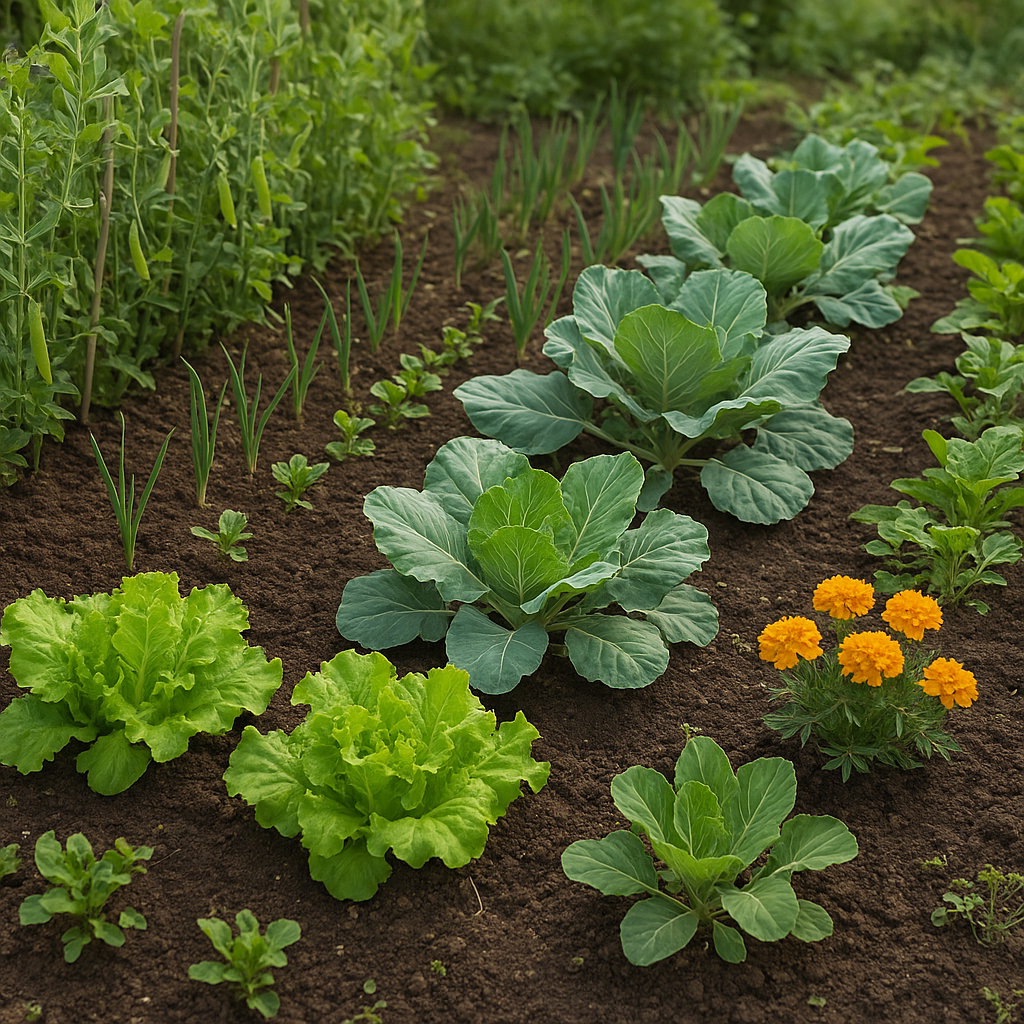
Diversifying plantings interrupts pest life cycles and confuses insect pests through the “push–pull” effect. Aromatic herbs or marigolds can repel aphids and nematodes, offering natural pest control without resorting to harsh chemicals. Simultaneously, attractive flowering plants draw beneficial insects and pollinators such as ladybugs and hoverflies, which prey on harmful arthropods.
Improved Productivity and Yield
Companion planting often leads to synergistic effects in growth rates and yield. By optimizing vertical space with tall and low-growing crop combinations—think corn and beans or squash and sunflowers—you can maximize productivity per square foot. In mixed systems, taller plants offer natural shade for heat-sensitive species, reducing heat stress and evaporation.
Designing Effective Plant Combinations
Crafting a successful companion planting plan starts with understanding the traits and needs of individual species. Careful design can unlock powerful plant-to-plant interactions that benefit the entire ecosystem.
Plant Traits to Consider
- Root depth: Pairing shallow-rooted crops with deep-rooted ones prevents competition for water and minerals.
- Growth habit: Climbing, sprawling, and upright plants can be intermingled to make full use of vertical and horizontal space.
- Sun requirements: Combine sun-loving and shade-tolerant species to buffer extreme temperatures.
- Allelopathy: Some plants release chemicals that inhibit or promote the growth of neighbors (e.g., rye suppresses weeds).
Popular Companion Pairs
- Tomatoes + Basil: Basil enhances tomato flavor and repels whiteflies.
- Carrots + Onions: Onions deter carrot flies, while carrots aerate soil for onions.
- Corn + Beans + Squash (Three Sisters): Beans fix nitrogen, corn supports bean vines, and squash canopy suppresses weeds.
- Cabbage + Nasturtium: Nasturtium deters aphids, preventing infestations on brassicas.
- Lettuce + Radish: Radishes mature quickly, loosening soil for young lettuce roots.
Practical Tips and Techniques
Implementing companion planting successfully requires attention to timing, spacing, and ongoing management. The following guidelines can help transform theory into thriving garden beds and fields.
Staggered Planting and Succession
By sowing fast-maturing crops alongside slower-developing species, growers maintain a continuous harvest while optimizing space. For example, plant radishes between rows of cabbage; harvest radishes early and allow cabbage more room as the season progresses.
Strategic Spacing and Row Orientation
- Alternate rows of contrasting crops to reduce monoculture risks.
- Maintain adequate distances to prevent overcrowding and ensure air circulation, lowering disease incidence.
- Orient rows north-south when possible, so plants receive uniform sunlight throughout the day.
Mulching and Weed Suppression
Organic mulches like straw or wood chips around companion pairs help conserve moisture and moderate soil temperature. Additionally, mulching inhibits weeds that might compete for resources, ensuring that the carefully chosen plant partners flourish.
Water Management
Grouping plants with similar water requirements prevents overwatering sensitive species while ensuring thirstier crops receive ample moisture. Drip irrigation lines can be laid out to serve specific companion clusters, delivering water directly to roots and reducing waste.
Integrating Companion Planting into Crop Rotation
For lasting soil health and enhanced productivity, companion planting should be woven into a broader rotation strategy. Alternating families and functional groups of plants helps break pest cycles, manage soil-borne diseases, and balance nutrient demands.
Yearly Rotation Plan
- Legume phase: Focus on peas or beans to fix nitrogen and rebuild fertility.
- Leafy vegetables: Follow legumes with lettuce, spinach, or brassicas that benefit from residual nitrogen.
- Fruiting crops: Plant tomatoes, peppers, and eggplants next to avoid depleting the same micronutrients consecutively.
- Root crops: Conclude the cycle with carrots, beets, and radishes, which exploit loosened soil and remaining moisture.
Cover Crops and Green Manures
Between main cropping seasons, sow fast-growing cover crops like clover or buckwheat. Their dense foliage smothers weeds, improves soil structure, and, when tilled in, acts as a green manure, enriching the ground for the next planting.
Monitoring and Troubleshooting
Continuous observation is key to refining companion planting systems. Note plant performance, pest outbreaks, and soil moisture levels. Keeping a detailed journal of planting dates, weather conditions, and yields helps identify successful combinations and areas needing adjustment.
Common Challenges
- Unintended competition: Reassess spacing if vigorous growers overshadow neighbors.
- Pest persistence: Introduce additional repellents or trap crops like mustard to divert pests.
- Soil imbalances: Conduct periodic soil tests and amend with compost or lime as needed.
Success Indicators
- Vibrant, green foliage with minimal insect damage.
- Consistent flowering that attracts bees and beneficial insects.
- Even maturation of crops and an increase in overall harvest weights.