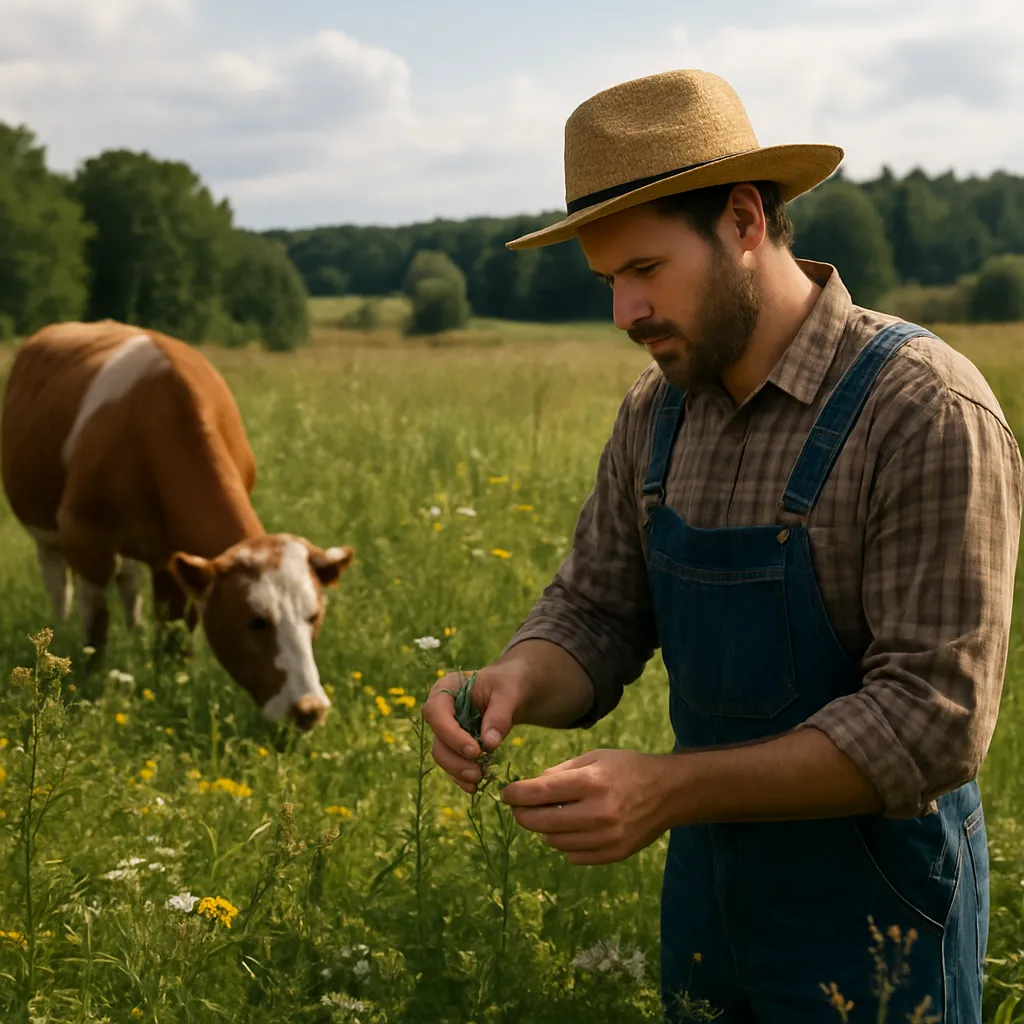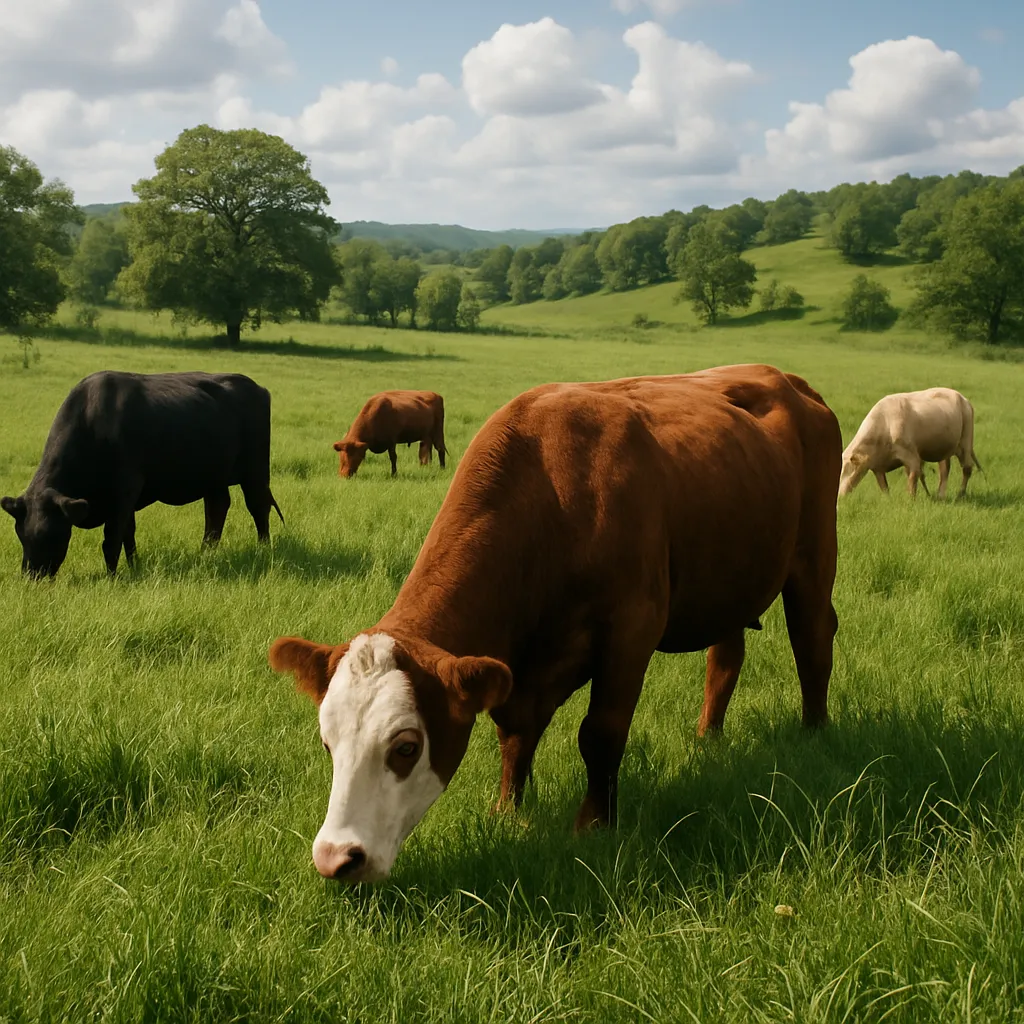
The Role of Grass-Fed Livestock in Regenerative Systems explores practical methods to integrate livestock into holistic farming practices while enhancing soil fertility and ecosystem vitality. By shifting from conventional confinement operations to pasture-based models, farmers can harness the natural behaviors of ruminants to rebuild degraded landscapes. This article outlines key benefits, step-by-step grazing frameworks, and actionable agriculture tips to elevate productivity and long-term farm viability.
Benefits of Grass-Fed Livestock in Regenerative Systems
Incorporating pasture-raised animals into cropping and grazing rotations yields multiple ecological advantages. Rather than relying on external inputs, regenerative farms utilize livestock to cycle nutrients, stimulate plant growth, and restore degraded soils. These processes foster a self-sustaining network of interactions that underpin modern sustainable agriculture.
- Enhanced soil structure and water retention through hoof action and organic matter incorporation
- Increased carbon sequestration in pasturelands, mitigating greenhouse gas emissions
- Improved nutrient cycling through animal manure deposition, reducing the need for synthetic fertilizers
- Promotion of on-farm biodiversity by creating diverse habitats for flora and fauna
- Elevated plant productivity via natural disturbance and grazing rest periods
- Strengthened microbial activity that supports long-term soil fertility
These benefits combine to build agricultural systems with enhanced resilience against extreme weather, pests, and disease outbreaks. By partnering with nature, farmers can transition toward climate-adaptive enterprises that prioritize ecosystem services over chemical inputs.
Implementing Rotational Grazing Strategies
Rotational grazing optimizes forage utilization by subdividing pastures into small paddocks and moving animals frequently. This practice prevents overgrazing, allows time for plant recovery, and distributes manure evenly across the landscape. When executed correctly, rotational systems increase biomass yield while preserving root health.
Planning Paddock Layout and Movement
Divide available acreage into equal sections that match herd size and desired rest intervals. Temporary fencing or electric polywire provides flexibility, allowing managers to adjust paddock size based on seasonal forage growth rates. Determine movement schedules by observing plant regrowth and animal intake.
Balancing Stocking Rates and Animal welfare
A key measure is matching livestock numbers to pasture productivity. Overstocking leads to trampling and erosion, while understocking leaves valuable biomass unused. Monitor body condition scores, forage heights, and soil moisture to fine-tune stocking density. Ensuring adequate shade, water access, and shelter supports animal welfare and encourages uniform grazing patterns.
Monitoring and Adaptation
Regularly assess paddock recovery by measuring residual grass height and checking soil conditions. Adjust rest periods during droughts or growth spurts to maintain plant vigor. Incorporate multi-species grazing—such as sheep, cattle, and poultry—to exploit different forage niches, suppress parasites naturally, and diversify farm income.
Agricultural Tips for Enhancing Farm Productivity
Beyond livestock management, integrating complementary practices elevates overall system performance. Combining crop rotations, cover cropping, and water conservation strategies with grass-fed operations fosters a synergistic environment that supports both plant and animal health.
- Implement cover crops in fallow periods to prevent erosion, suppress weeds, and boost organic matter
- Adopt multi-species grazing to target varied forage types and reduce parasite loads without chemicals
- Use drip irrigation and swales for effective water conservation and infiltration
- Incorporate agroforestry corridors to provide shade, windbreaks, and additional fodder sources
- Practice integrated pest management by encouraging beneficial insects and using biological controls
- Maintain detailed records of pasture performance, animal weight gains, and soil tests to guide adaptive decisions
- Rotate crops strategically, alternating deep-rooted plants with grasses to enhance nutrient stratification
By following these tips, producers can achieve a balanced farming model that maximizes resource efficiency while safeguarding the long-term productivity of the land. Ultimately, grass-fed livestock serve as a powerful tool in a farmer’s arsenal, driving both economic returns and the regeneration of vital agroecosystems.