The Role of Earthworms in Healthy Soil Ecosystems explores how these unsung heroes contribute to vibrant fields and thriving gardens. By examining their influence on soil structure, nutrient cycling, and plant development, readers will uncover practical agriculture strategies that support robust growth. This article outlines key insights and offers actionable tips for both commercial farmers and home gardeners.
Soil Structure and Nutrient Cycling
Burrowing and Aeration
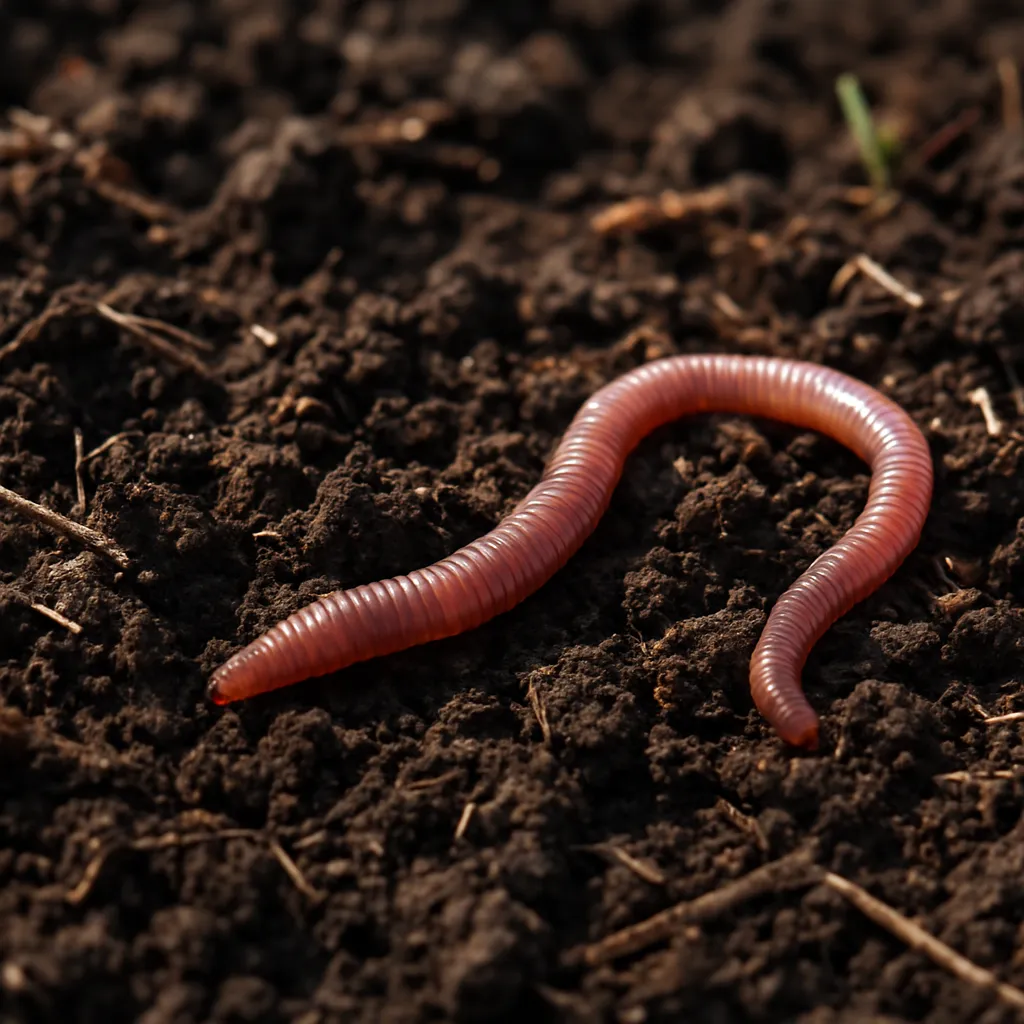
Earthworms create networks of tunnels that enhance aeration within the ground. This process allows plant roots to access oxygen more effectively, preventing compaction and waterlogging. As they burrow, worms distribute minerals and organic particles, improving overall structure.
Organic Matter Decomposition
By consuming decaying leaves and crop residues, earthworms accelerate the breakdown of organic material. Their castings are rich in essential nutrients such as nitrogen, phosphorus, and potassium. This natural form of composting supports soil fertility without relying on synthetic inputs.
- Rotate cover crops to maintain a steady food source for worms.
- Leave crop residues on the field to encourage worm activity.
- Avoid soil disturbances like deep plowing to protect worm burrows.
Enhancing Plant Growth
Root Development
Roots penetrate more easily through worm-made channels. Improved biodiversity around roots boosts water and nutrient uptake, leading to stronger, healthier plants. Many horticulturists report increased yields when earthworm populations are high.
Microbial Interactions
Earthworms influence the balance of beneficial microbes in the soil. Their castings host bacteria and fungi that enhance nutrient availability. These microbes form symbiotic relationships with roots, further promoting plant resilience.
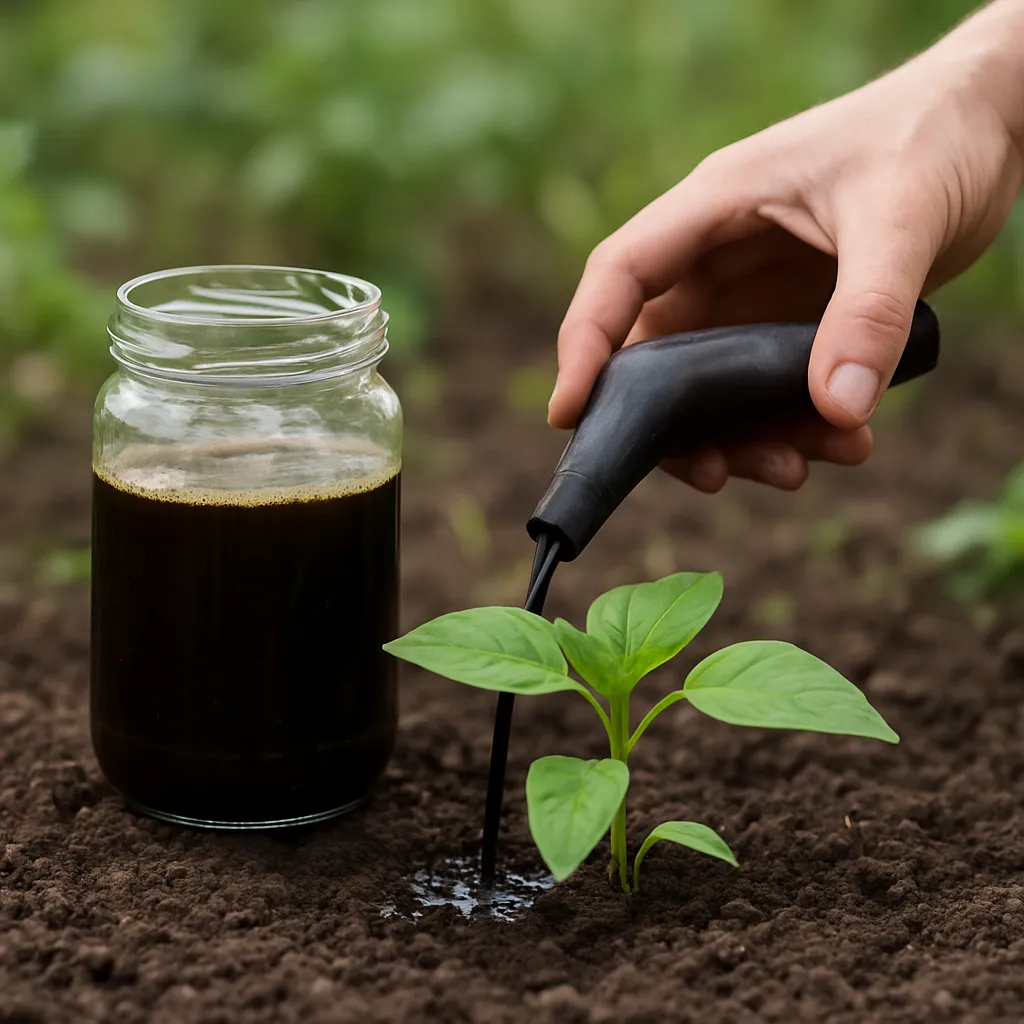
- Introduce worm tea or vermicompost in irrigation to inoculate soil with beneficial microbes.
- Monitor moisture levels; optimal humidity supports worm activity without waterlogging.
- Avoid chemical pesticides that can harm earthworm populations.
Sustainable Agricultural Practices
Cover Cropping
Planting cover crops such as legumes or buckwheat provides continuous nourishment for earthworms. These green manures add organic inputs and help suppress weeds, while protecting soil from erosion.
Reduced Tillage
Minimizing tillage preserves existing worm burrows and habitat. No-till or low-till methods maintain sustainable soil systems, reducing fuel consumption and equipment wear, while enhancing earthworm density.
Composting and Vermiculture
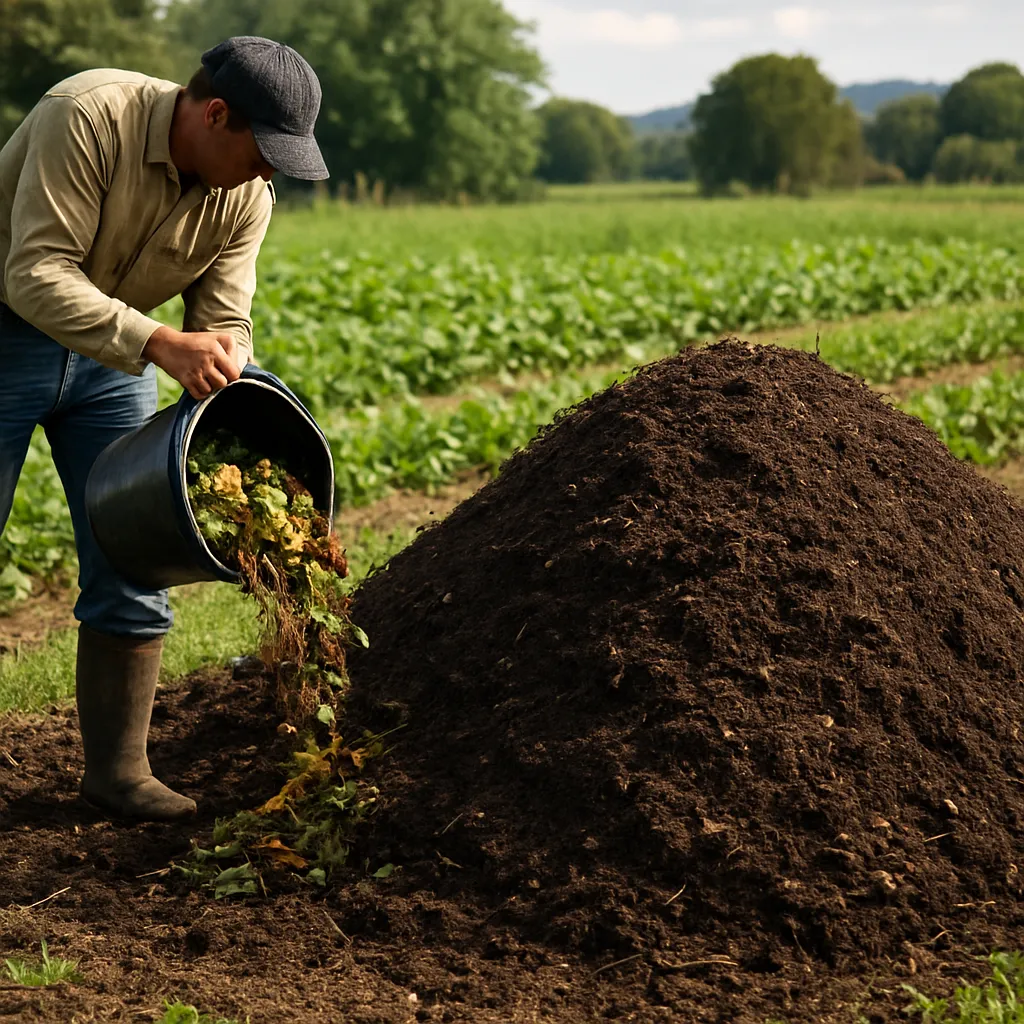
Establish on-site compost piles or worm bins to produce high-quality vermicompost. This material can be applied directly to fields, boosting soil health and promoting a thriving worm community.
- Maintain compost at 55-65 degrees Fahrenheit to optimize decomposition.
- Add kitchen scraps, yard waste, and shredded paper to worm bins.
- Harvest castings every few months and reapply to planting zones.
Practical Tips for Farmers and Gardeners
- Test soil regularly to track pH and nutrient levels, ensuring a hospitable environment for earthworms.
- Mulch densely with straw or wood chips to retain moisture and feed worm populations.
- Encourage diversity by growing multiple crop species, mimicking natural ecosystems.
- Use organic amendments such as bone meal or seaweed extract to supplement soil biology.
- Protect surface habitat by avoiding herbicide drift and excessive foot traffic.
Conclusion
Understanding the central role of earthworms in creating ecosystem balance empowers producers to adopt methods that nurture both soil and plants. Implementing the techniques described above can transform fields into dynamic living systems, driving long-term productivity and resilience.