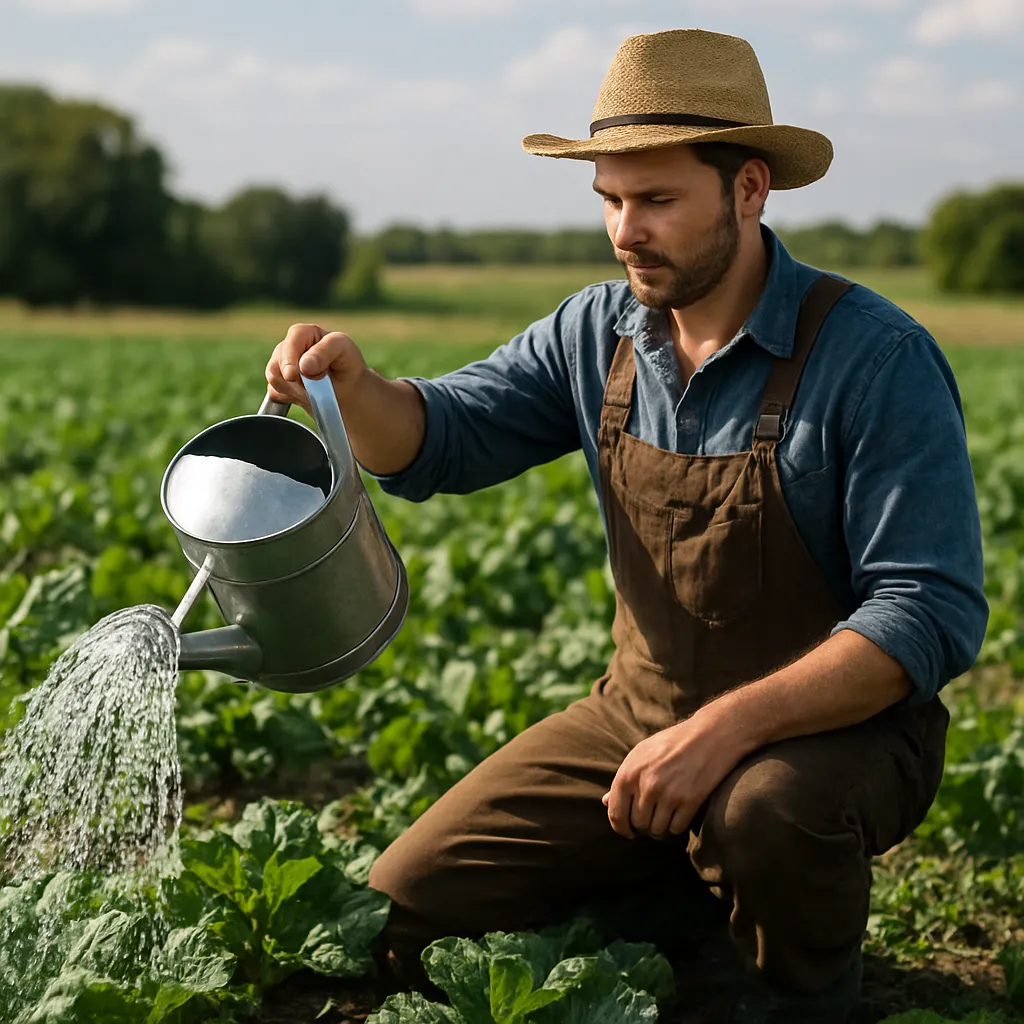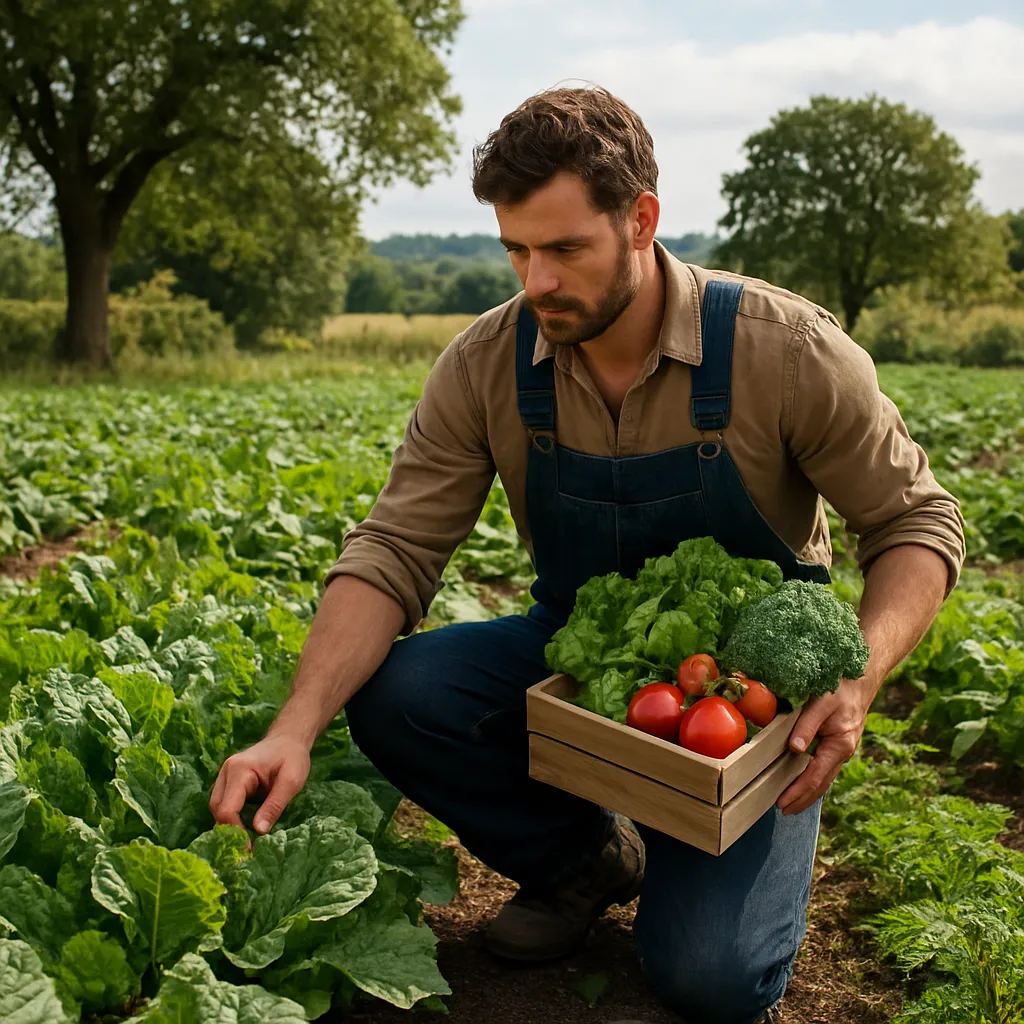
The Principles of Regenerative Agriculture Explained explores how farmers, researchers, and communities can restore degraded land, enhance productivity, and secure a sustainable future for food systems worldwide. By focusing on ecological processes, this approach goes beyond conventional farming, aiming to rebuild healthy soil, promote biodiversity, and capture atmospheric carbon in every field. Harnessing ancient wisdom alongside modern science, regenerative agriculture offers practical strategies to increase resilience, reduce input costs, and protect vital resources.
Understanding Regenerative Agriculture
Regenerative agriculture represents a paradigm shift away from extractive farming methods toward practices that continuously improve the land. Unlike conventional models that deplete nutrients and degrade topsoil, this system works in harmony with nature’s cycles. Key elements include:
- Soil health restoration – building organic matter and structure
- Ecological balance – integrating plants, animals, and microorganisms
- Water retention – enhancing infiltration and reducing runoff
- Carbon sequestration – locking greenhouse gases into biomass and soil
At its core, regenerative agriculture emphasizes an ecosystem approach: viewing farms as living landscapes rather than industrial factories. It values diversity, encourages dynamic interactions, and leverages natural processes to maintain long-term productivity.
Key Practices and Techniques
1. Soil Health Management
Healthy soil is the foundation of regenerative systems. By applying minimal disturbance and protecting the topsoil, farmers can foster a robust network of roots and microbes. Essential tactics include:
- Reduced or no-till systems to preserve soil structure and organic layers
- Integrating compost and natural amendments to supply nutrients
- Utilizing biochar or green manures to enhance water holding capacity
Regular soil testing guides adaptive management, ensuring that pH levels, nutrient profiles, and biological activity support optimal plant growth.
2. Cover Crops and Crop Rotation
Cover crops, such as clover, rye, and legumes, shield the ground when cash crops are absent. This practice:
- Prevents erosion and suppresses weeds
- Fixes atmospheric nitrogen through symbiotic bacteria
- Feeds soil organisms with diverse root exudates
Rotating crops disrupts pest cycles and balances nutrient demands. A typical sequence might follow deep-rooted species, which draw up subsoil minerals, with shallow-rooted vegetables to optimize resource use.
3. Holistic Livestock Integration
Grazing animals, when managed strategically, become powerful allies. With controlled flock or herd movement, livestock:
- Recycle nutrients via manure distribution
- Stimulate plant regrowth through light grazing
- Break up compacted soil layers with trampling action
Proper planning—incorporating resting periods and moveable fencing—ensures pastures recover fully, avoiding overgrazing and soil degradation.
Economic and Environmental Benefits
Adopting regenerative practices can yield significant advantages on both financial and ecological fronts. Farmers often discover that initial investments in equipment or cover crop seeds are offset by:
- Reduced need for synthetic fertilizers and pesticides
- Lower irrigation costs due to improved water infiltration
- Enhanced yield stability under extreme weather events
From an environmental perspective, these methods deliver:
- Increased biodiversity above and below ground
- Greater carbon capture as organic matter accumulates
- Improved quality of nearby streams and wetlands through minimized runoff
Communities benefit from cleaner water, healthier food, and economic resilience as farms remain productive for generations.
Practical Tips for Farmers
Transitioning to regenerative systems requires careful planning, patience, and a willingness to learn. Consider these actionable guidelines:
- Start small: Pilot new techniques on a few acres before scaling up
- Collaborate: Join local networks or cooperatives to share experiences
- Monitor: Track key indicators like soil organic matter, moisture, and pest levels
- Invest in education: Attend workshops on cover cropping or holistic grazing
- Leverage technology: Use drones or sensors to optimize field operations
Documenting successes and setbacks helps refine practices, building a knowledge base unique to each farm’s conditions.
Embedding Regenerative Principles in Community and Policy
Beyond individual plots, regenerative agriculture thrives when supported by enabling environments. Policymakers and organizations can facilitate adoption by:
- Providing cost-share programs for equipment or seed purchases
- Establishing market incentives for produce grown under regenerative standards
- Funding research on long-term impacts and best practices
Educational campaigns can raise awareness among consumers, creating demand for farm products that uphold ecological integrity and social responsibility.