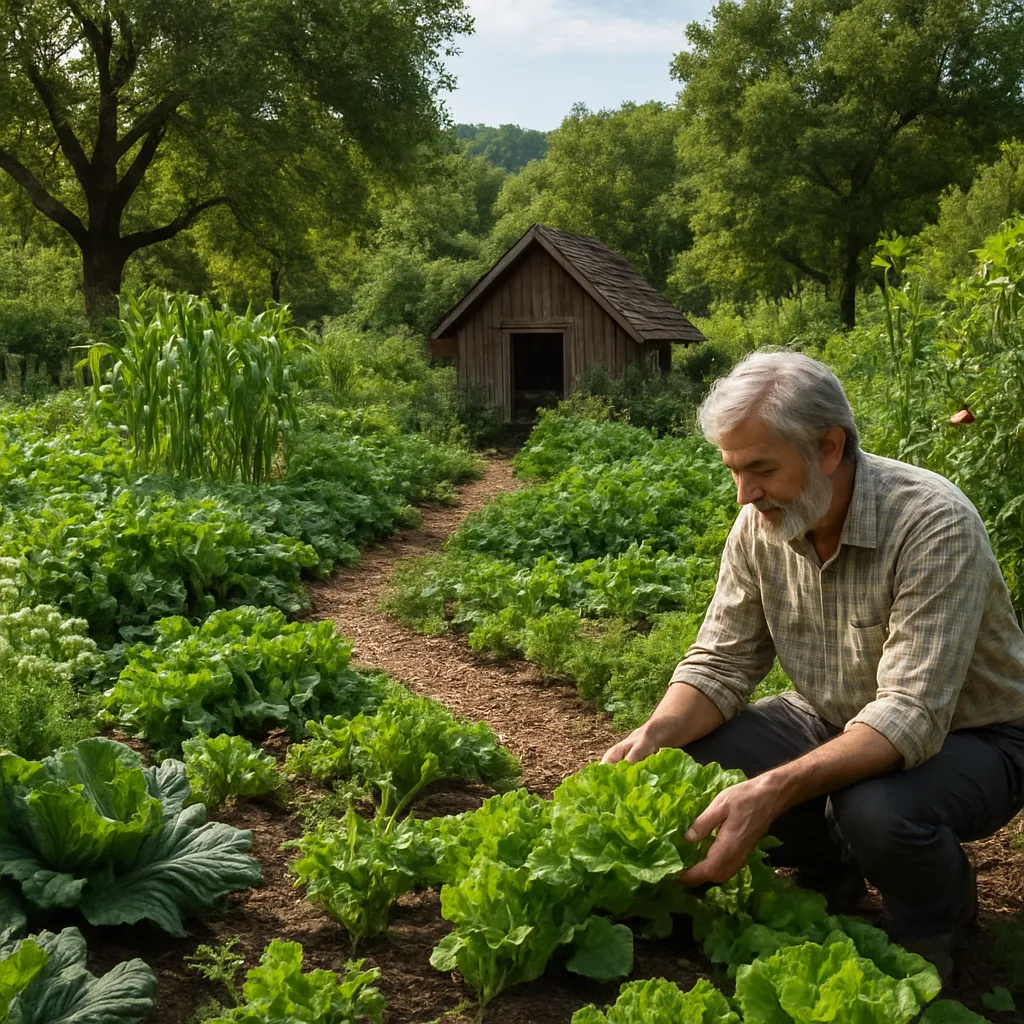
Adopting innovative energy solutions can transform modern agriculture into a beacon of environmental responsibility and productivity. By leveraging renewable sources, eco-farms not only reduce carbon footprints but also enhance financial returns and soil health. The integration of alternative power systems encourages biodiversity, conserves water, and builds the farm’s overall resilience against climate fluctuations. This article outlines practical strategies and tips for incorporating clean energy into crop management, livestock care, and day-to-day operations.
Integrating Solar Power into Sustainable Agriculture
Harnessing Sunlight for Diverse Farm Needs
Solar panels have become more affordable, making them a cornerstone of sustainable on-farm energy production. Here are key approaches:
- Install rooftop photovoltaic arrays on barns and storage buildings to power lighting, ventilation fans, and monitoring equipment.
- Deploy solar-powered water pumps for livestock watering stations and greenhouse misting systems.
- Use portable solar trailers to offer electricity in remote fields, enabling the use of electric tools and mobile sensors.
Design and Maintenance Tips
- Position panels at optimal angles (usually between 30°–45°) to maximize daily output.
- Schedule regular cleaning and inspection to remove dust, bird droppings, and shading from nearby trees.
- Invest in a reliable battery bank or grid-tie inverter system to ensure continuous power during cloudy days.
Harnessing Wind Energy for Farm Operations
Setting Up Small-Scale Turbines
Wind turbines complement solar systems by generating electricity during periods of low sunlight. Small wind generators are ideal for open fields with consistent breezes. Follow these guidelines:
- Conduct a wind site assessment to measure average wind speeds at turbine height.
- Choose a tower height that captures stronger winds, typically 30 to 50 feet above ground level.
- Ensure safe setback distances from buildings and property lines to minimize risk from blade throw and maintenance access.
Operational Advantages
- Wind power can supply electric fencing, barn lighting, and automated feed systems.
- Pair turbines with solar panels to balance energy production and reduce reliance on diesel generators.
- Feed excess electricity back into the grid if regulations and net-metering agreements allow, boosting farm profitability.
Biogas and Biomass: Turning Waste into Power
From Manure to Methane
Livestock operations generate significant quantities of manure that can be processed in anaerobic digesters. This process yields biogas—a mixture of methane and carbon dioxide—which can be used to:
- Fuel combined heat and power (CHP) units for electricity and hot water in milking parlors or crop drying facilities.
- Produce compressed biogas (CBG) for use in farm vehicles or local distribution to off-grid communities.
- Generate nutrient-rich byproducts (digestate) that serve as organic fertilizer, enhancing soil structure and fertility.
Utilizing Biomass Residues
- Collect crop residues (stalks, husks, pruning waste) and process them in biomass boilers for heat generation.
- Pelletize woody residues to create a stable, transportable fuel source for winter heating.
- Combine biomass combustion with heat exchangers to support greenhouse cultivation during colder months.
Implementing Geothermal Solutions on the Farm
Ground-Source Heat Pumps
Geothermal technology taps into the earth’s stable subsurface temperatures to provide efficient heating and cooling. Farms can benefit by:
- Installing ground-source heat pumps in livestock barns to maintain optimal temperatures for animal welfare.
- Using geothermal loops under greenhouses, ensuring consistent soil warmth for seed germination and plant growth.
- Reducing reliance on propane or electric heaters, cutting carbon emissions significantly.
Design Considerations
- Assess soil composition and moisture levels to select the appropriate loop configuration (horizontal or vertical).
- Ensure proper spacing between loops to prevent thermal interference and maximize system lifespan.
- Partner with experienced geothermal installers to integrate heat recovery and backup systems.
Water Management and Irrigation Efficiency
Smart Irrigation with Renewable Power
Water scarcity and energy costs often coincide. Combining renewable energy with precision irrigation can:
- Operate drip and sprinkler systems using solar or wind-powered pumps, reducing operational costs.
- Implement soil moisture sensors and weather stations to automate watering schedules, preventing overuse.
- Leverage remote monitoring apps to adjust irrigation in real time, maximizing crop health and yield.
Conservation Strategies
- Collect and store rainwater in ponds or cisterns for use during dry spells.
- Mulch crop rows to minimize evaporation and suppress weeds.
- Rotate crops to improve soil structure and water infiltration rates.
Enhancing Farm Biodiversity and Eco-Benefits
Creating Habitats and Pollinator Zones
Integrating renewable systems should coincide with habitat restoration. Eco-farms can:
- Establish wildflower strips and hedgerows around solar arrays to support bees, butterflies, and beneficial insects.
- Construct ponds and wetlands that capture runoff, filter nutrients, and house amphibians.
- Implement rotational grazing to rejuvenate pastures and prevent overgrazing.
Long-Term Advantages
- Enhanced biodiversity improves pest control and pollination services naturally.
- Robust ecosystems increase the farm’s climate adaptability and economic resilience.
- Positive environmental stewardship can open new markets and fetch premium prices for eco-certified products.
Economic Outlook and Future Trends
Financing and Incentives
Farmers can access grants, low-interest loans, and tax incentives to offset upfront costs of clean energy installations. Key steps include:
- Researching government programs at national and regional levels.
- Collaborating with agricultural extension services for feasibility studies.
- Exploring public-private partnerships and community solar initiatives.
Emerging Technologies
- Floating solar installations on irrigation ponds and reservoirs, reducing evaporation and boosting panel efficiency.
- Agrovoltaics, where crops and solar panels coexist on the same land, optimizing land-use efficiency.
- Advances in battery storage, such as flow batteries and bio-based electrolytes, promise greater energy autonomy.