The agricultural sector is undergoing a profound transformation driven by cutting-edge technologies, innovative practices, and a global push for environmental stewardship. Farmers, researchers, and agribusinesses are collaborating to introduce solutions that boost productivity, optimize resource use, and promote resilience in the face of climate change. This article explores the Top 10 Agro-Innovations transforming the industry and offers practical tips for integrating these advancements into modern farming operations.
Top 10 Agro-Innovations Transforming the Industry
- 1. Precision Agriculture and GPS-Guided Equipment
- 2. Internet of Things (IoT) Sensors for Soil and Crop Monitoring
- 3. Unmanned Aerial Vehicles (Drones) for Field Surveillance
- 4. Automated Machinery and Robotics
- 5. CRISPR and Advanced Plant Breeding Techniques
- 6. Vertical Farming and Controlled Environment Agriculture
- 7. Biofertilizers and Microbial Inoculants
- 8. Blockchain for Supply Chain Transparency
- 9. Data Analytics and Farm Management Software
- 10. Regenerative Agriculture Practices
Precision Agriculture and Smart Farming
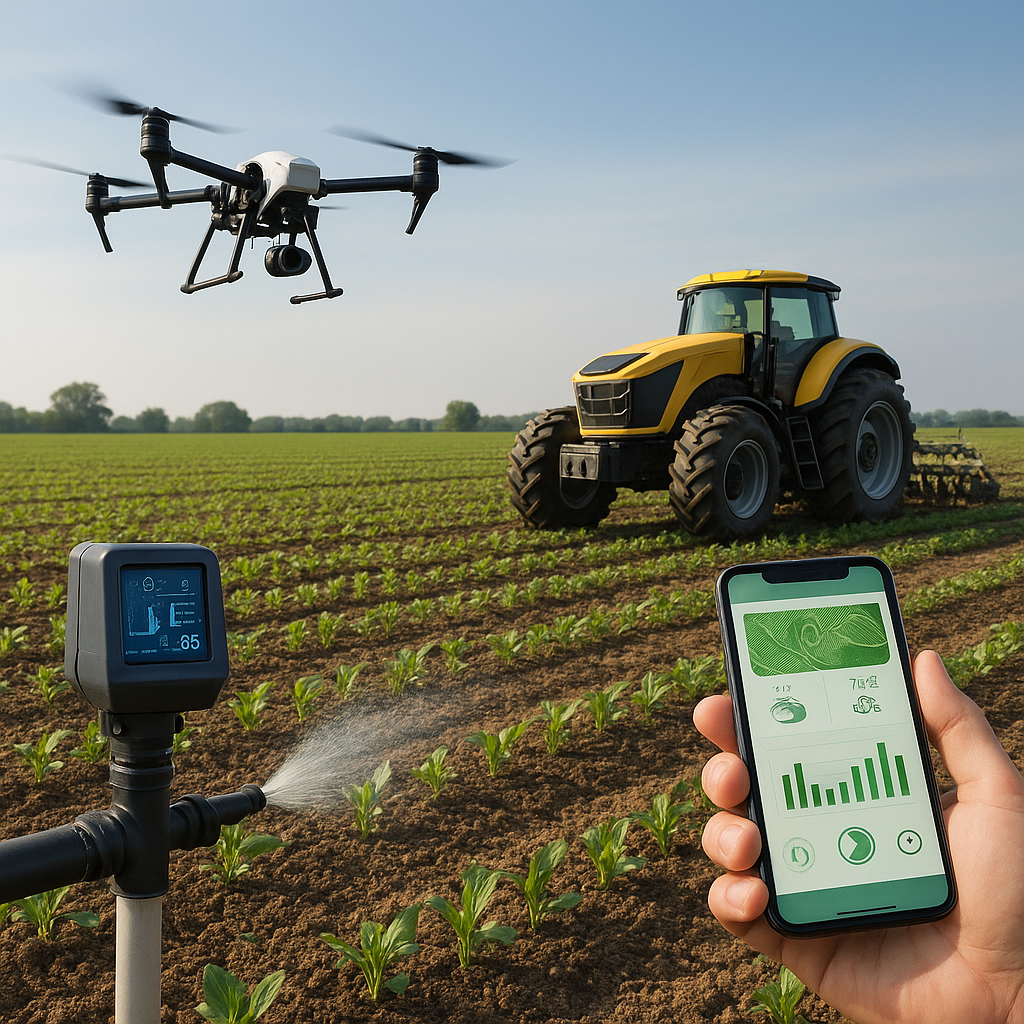
Precision agriculture leverages satellite positioning, advanced sensors, and real-time analytics to deliver targeted interventions. Farmers can apply water, fertilizers, and pesticides exactly where needed, minimizing waste and maximizing crop yield. GPS-guided tractors and planters ensure uniform seed placement and optimized field coverage.
Key Components of Precision Agriculture
- GPS-enabled machinery for automated steering.
- Variable Rate Technology (VRT) for customized input distribution.
- Real-time data dashboards for informed decision-making.
By integrating these tools, growers achieve greater efficiency and reduce environmental impact. For example, drip irrigation systems connected to weather stations can adjust water delivery to match evapotranspiration rates, conserving precious resources.
Internet of Things Sensors and Drone Surveillance
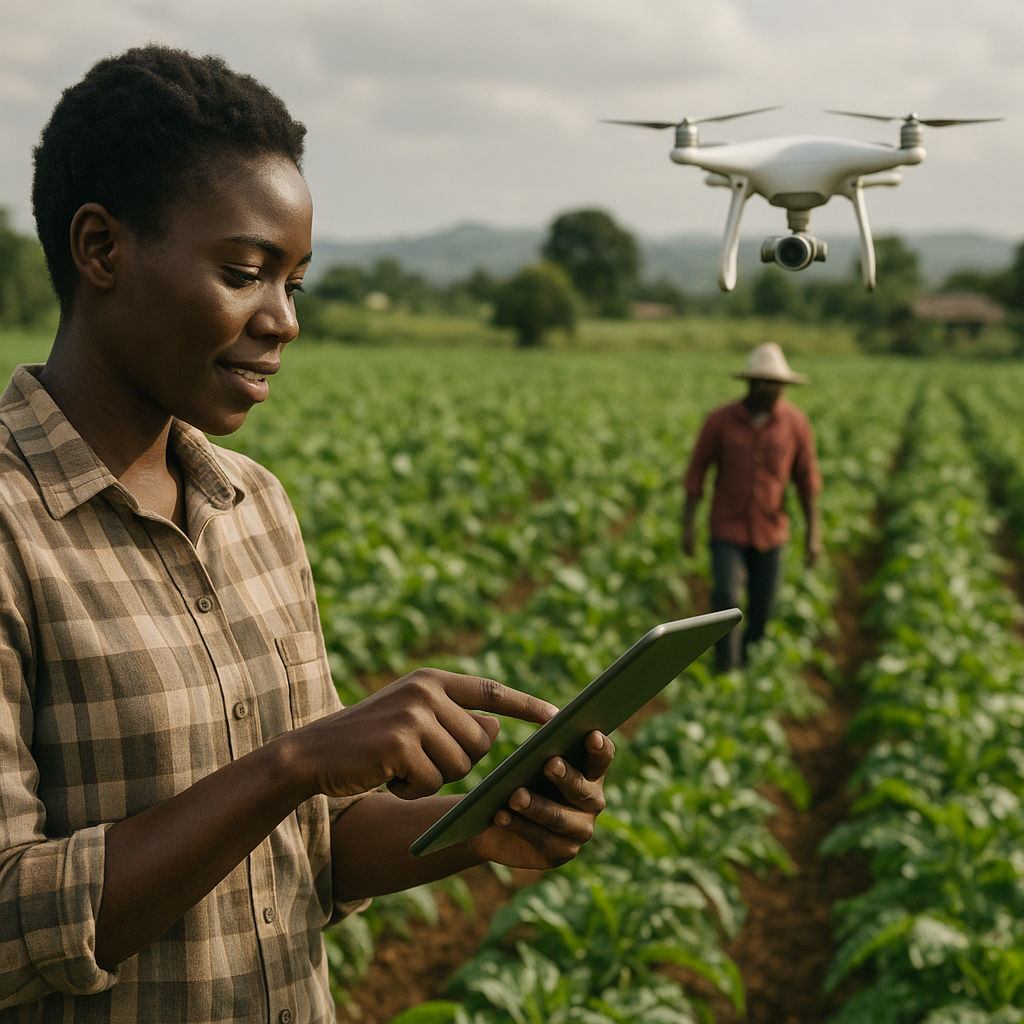
Deploying IoT sensors across farm fields enables continuous monitoring of soil moisture, temperature, and nutrient levels. These devices transmit data wirelessly to cloud platforms, allowing farmers to detect stress early and address issues before they escalate.
Benefits of Drone-Based Monitoring
- High-resolution aerial imagery for pest and disease detection.
- Thermal cameras to identify water stress zones.
- Rapid coverage of large or complex terrain.
Drones equipped with multispectral sensors can generate vegetation indices like NDVI (Normalized Difference Vegetation Index), highlighting areas that need targeted treatment. Coupled with sensor data, drone insights lead to precise interventions and enhanced crop resilience.
Automation, Robotics, and Labor Optimization
Labor shortages and increasing wage costs have accelerated adoption of robotic solutions in agriculture. Autonomous harvesters, robotic weeders, and milking machines are revolutionizing labor-intensive tasks, boosting productivity, and reducing human error.
- Robotic harvesters for fruits and vegetables, ensuring gentle handling and consistent quality.
- Automated weeding robots that distinguish crops from weeds via computer vision.
- Smart milking systems that monitor animal health and optimize milk yield.
These innovations not only address workforce challenges but also enhance operational precision and product quality. Farmers can redeploy labor to value-added activities such as marketing and agritourism.
Biotechnology and Advanced Plant Breeding
Biotechnology is at the forefront of developing stress-tolerant and nutrient-rich crop varieties. Techniques like CRISPR gene editing allow precise modifications, creating plants that withstand drought, resist pests, and deliver higher nutritional value.
Examples of Biotech Innovations
- CRISPR-edited rice varieties with enhanced drought tolerance.
- Golden Rice fortified with provitamin A to combat malnutrition.
- Bt cotton expressing insecticidal proteins to reduce pesticide use.
These breakthroughs contribute to global food security by increasing adaptability to changing climates and reducing reliance on chemical inputs. However, responsible deployment requires regulatory compliance and transparent communication with consumers.
Vertical Farming and Controlled Environment Agriculture
Urbanization and limited arable land have spurred interest in vertical farming, where crops are grown in stacked layers under optimized conditions. These systems use hydroponics, aeroponics, or aquaponics to deliver nutrients directly to plant roots.
- LED lighting systems tuned to crop-specific light spectra for maximum photosynthesis.
- Climate-controlled chambers to maintain ideal temperature, humidity, and CO₂ levels.
- Water recirculation units that reduce consumption by up to 90% compared to field farming.
Vertical farms enable year-round production of leafy greens, herbs, and specialty crops near urban centers, cutting transportation costs and carbon footprints. This model also insulates growers from extreme weather events.
Sustainable and Regenerative Agriculture Practices
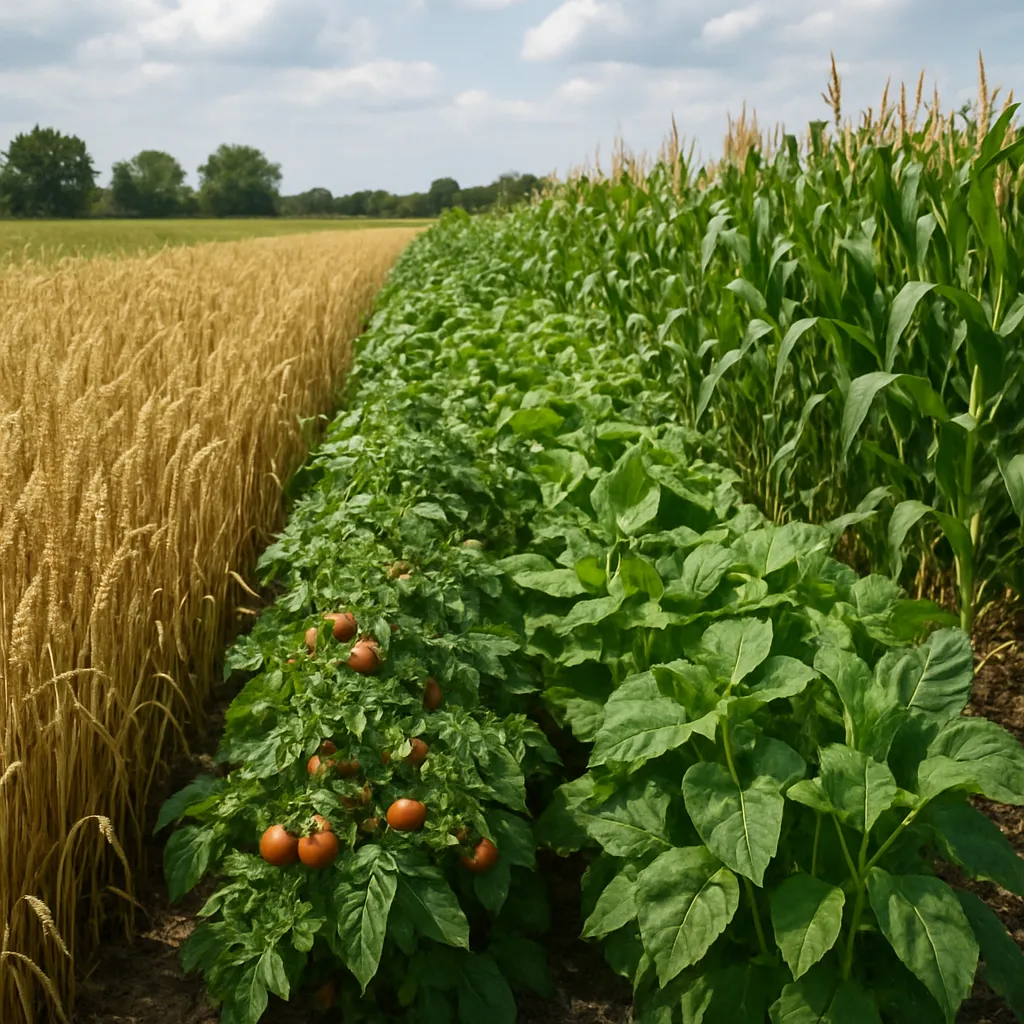
Regenerative agriculture focuses on restoring soil health, increasing biodiversity, and sequestering carbon. By adopting no-till methods, cover cropping, and agroforestry, farmers can rebuild soil structure and enhance ecosystem services.
Core Principles of Regenerative Farming
- Minimizing soil disturbance to preserve natural microbial communities.
- Maintaining continuous ground cover with cover crops and mulches.
- Integrating livestock for nutrient cycling and pasture management.
These practices improve water infiltration, reduce erosion, and capture atmospheric carbon. As a result, fields become more resilient to droughts and floods, and farmers benefit from long-term productivity gains.
Digital Platforms, Data Analytics, and Supply Chain Transparency
Farm management software and agri marketplaces are connecting producers directly with buyers, streamlining transactions, and improving price discovery. Leveraging big data and artificial intelligence, these platforms optimize input usage, predict yields, and identify market trends.
- Blockchain-enabled traceability for food safety and fair trade assurance.
- Real-time price monitoring tools for dynamic market access.
- Collaborative networks for sharing best practices and pooled resources.
By harnessing data, stakeholders can reduce losses, ensure compliance with regulations, and build consumer trust through transparent sourcing.
Agriculture Tips for Successful Innovation Adoption
1. Start Small and Scale Up
Test new technologies on a subset of your fields before full-scale deployment. This allows you to troubleshoot and measure ROI without major risk.
2. Seek Partnerships
Collaborate with research institutions, technology providers, and fellow farmers to share costs and knowledge. Joint trials accelerate learning and reduce barriers to entry.
3. Invest in Training
Equip your team with the skills needed to manage digital tools and automated machinery. Workshops, certification courses, and online tutorials can bridge the knowledge gap.
4. Leverage Government and NGO Programs
Many regions offer grants, subsidies, and technical assistance for sustainable and high-tech agriculture projects. Investigate local programs to offset investment costs.
5. Monitor and Evaluate
Implement key performance indicators (KPIs) such as input efficiency, yield improvement, and carbon footprint reduction. Regular assessments guide continuous improvement and validate innovation benefits.
Conclusion
The rapid evolution of agricultural technology presents unprecedented opportunities to enhance productivity, protect the environment, and ensure food security for a growing global population. By embracing precision tools, biotechnical advances, sustainable practices, and digital platforms, farmers can achieve higher efficiency, resilience, and profitability. The Top 10 Agro-Innovations spotlighted in this article are not merely futuristic concepts but actionable solutions already reshaping fields around the world. Incorporating these breakthroughs today will pave the way for a more sustainable and prosperous agriculture tomorrow.