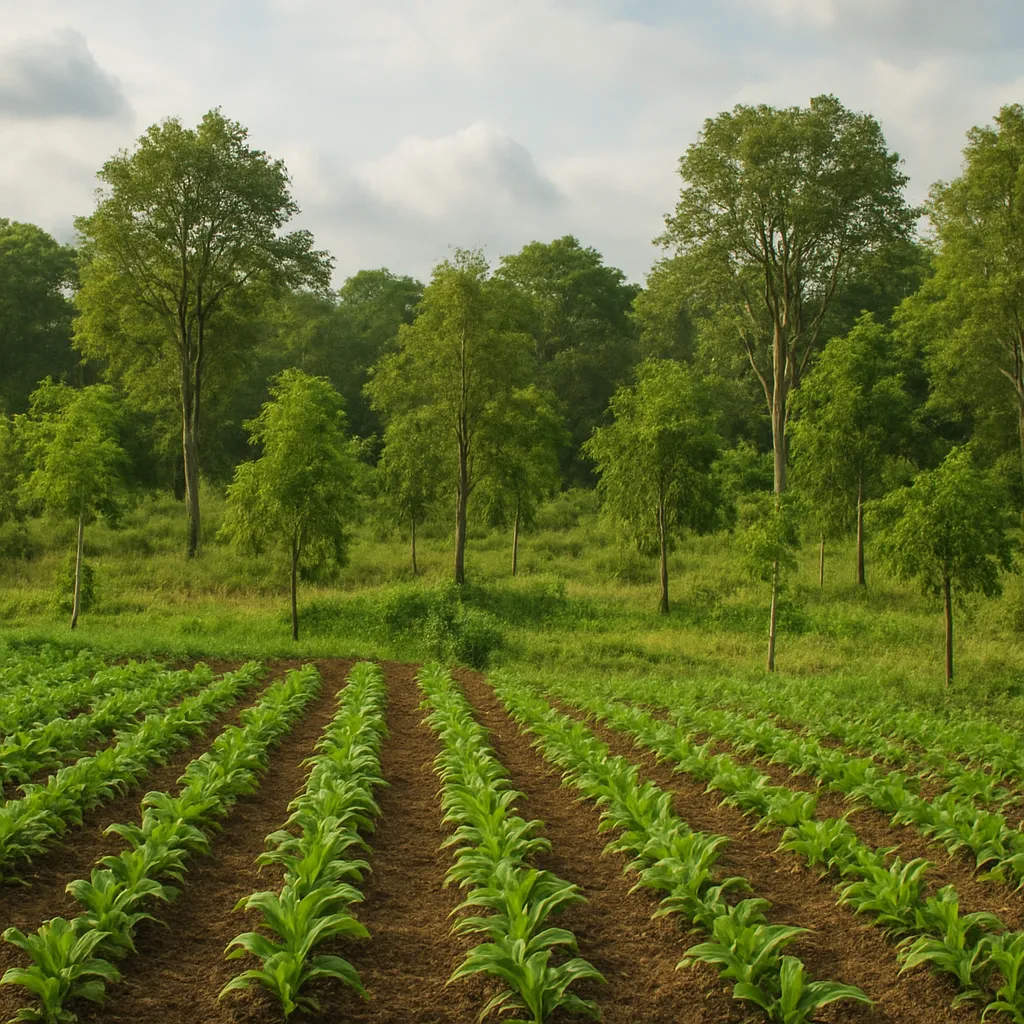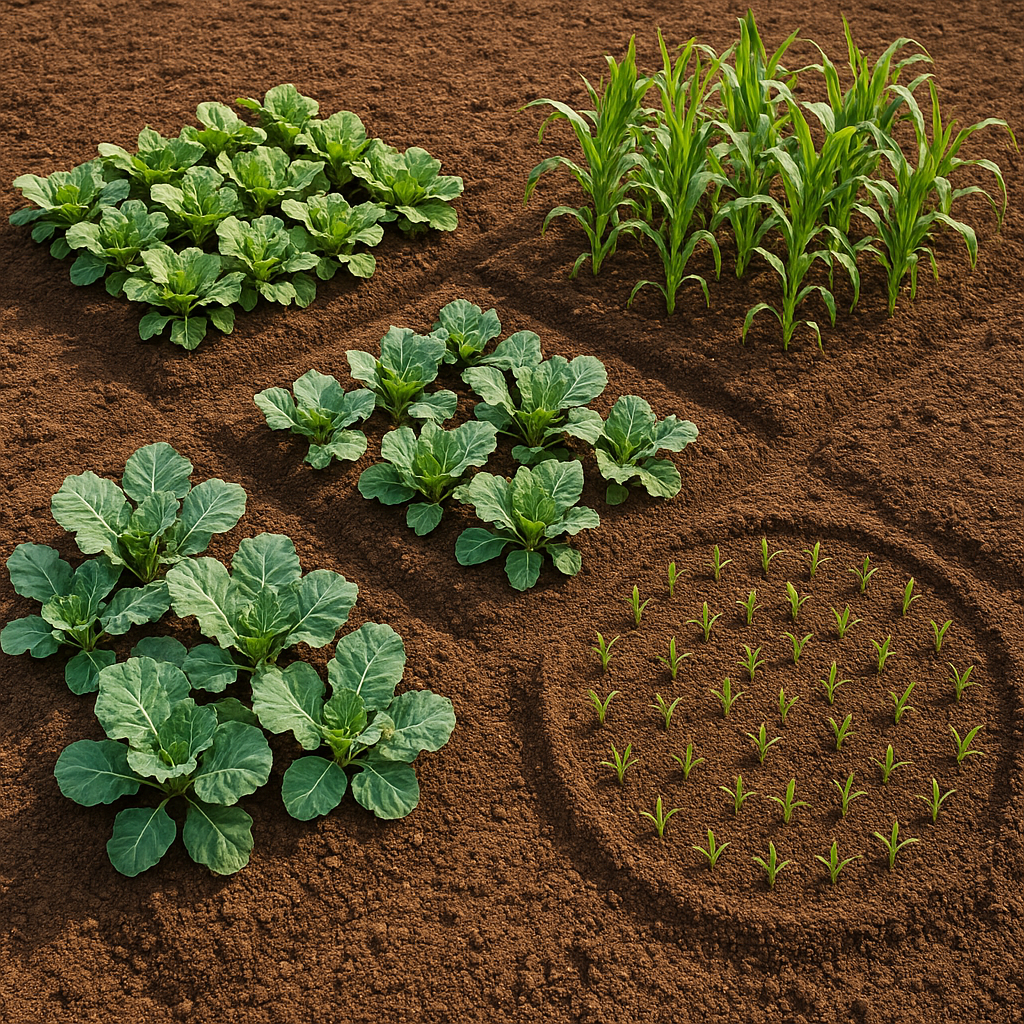
Effective crop rotation is a cornerstone of modern agriculture, balancing yields with long-term soil stewardship. By alternating crops strategically, farmers enhance biodiversity, suppress pests, and improve soil structure without relying heavily on synthetic inputs. This guide explores the key principles, design strategies, and practical tips for planning rotations that elevate sustainability and maximize yield optimization.
Understanding Core Principles of Crop Rotation
A well-designed rotation scheme hinges on three foundational concepts:
- Nutrient cycling: Different plant families extract and replenish nutrients at varying rates. By rotating deep-rooted and shallow-rooted crops, you encourage thorough exploration of soil profiles.
- Pest management: Many pathogens and insect pests target specific hosts. A diversified sequence interrupts life cycles and reduces disease pressure.
- Soil fertility: Inclusion of legumes and cover crops adds nitrogen and organic matter, boosting long-term productivity.
Implementing rotation draws on ecological interactions among plants, microorganisms, and soil chemistry. Over time, balanced sequences can significantly lower input costs and safeguard environmental health.
Designing an Effective Rotation Plan
Identifying Key Rotational Groups
- Grains and cereals (e.g., wheat, barley, corn)
- Legumes (e.g., soybeans, peas, lentils)
- Brassicas (e.g., canola, cabbage, mustard)
- Root vegetables (e.g., carrots, beets, potatoes)
- Cover crops (e.g., clover, vetch, rye)
Group crops by botanical family to minimize shared pests and diseases. Aim for at least a three-year cycle before repeating a group in the same field.
Assessing Field-Specific Variables
Every field has distinct characteristics that influence rotation choices:
- Soil texture and pH: Certain crops prefer sandy loam, while others thrive in heavier clay soils.
- Drainage and erosion risk: On sloped terrain, integrate cover crops to protect against runoff.
- Local climate patterns: Rainfall distribution and temperature extremes determine optimal planting windows.
By synchronizing crop requirements with site conditions, you reduce stress on plants and improve resilience against drought or excessive moisture.
Implementing and Monitoring the Rotation
Preparing for Transition
- Conduct soil tests annually to track nutrient levels and pH.
- Apply organic amendments or lime based on test recommendations.
- Establish cover crops immediately after harvest to maintain ground cover.
Cover crops not only protect against erosion but also feed soil microorganisms that drive decomposition and nutrient availability.
Seeding and Establishment
- Use high-quality seed with proven vigor and disease resistance.
- Optimize planting depth and spacing for each crop’s root architecture.
- Employ no-till or reduced-till methods when feasible to preserve soil structure.
A minimal disturbance approach keeps organic matter intact, supporting beneficial fungal networks and improving water infiltration.
Regular Evaluation
Monitoring crop performance and soil health throughout the season informs future rotations:
- Visual inspections for nutrient deficiency symptoms such as chlorosis or stunted growth.
- Scouting for emerging pest populations and applying targeted interventions.
- Measuring biomass of cover crops to gauge organic matter contributions.
Documenting each year’s outcomes refines rotation sequences and identifies trouble spots before they escalate.
Advanced Tips and Innovations
Intercropping and Relay Cropping
Integrating complementary species within rows or in succession maximizes resource use:
- Relay cropping introduces a second crop before the first is harvested, reducing bare soil periods.
- Intercropping legumes and cereals can boost nitrogen availability and suppress weeds.
Leveraging Technology
Precision agriculture tools enhance rotation management:
- GPS-guided planting ensures exact row alignment and seed placement.
- Soil moisture sensors and remote sensing track real-time field conditions.
- Data analytics platforms help compare rotation efficacy across fields and years.
Integrating Livestock
Grazing cover crops with livestock offers dual benefits of weed control and nutrient distribution:
- Manure from grazing animals returns organic nitrogen and phosphorus to the soil.
- Hoof action can incorporate residue, enhancing organic matter decomposition.
Key Benefits and Long-Term Impact
- Soil health: Improved aggregate stability and water retention.
- Economic resilience: Reduced fertilizer and pesticide expenses.
- Environmental quality: Lower runoff and greenhouse gas emissions.
- Adaptive capacity: Fields better withstand climate variability.
Strategically planned rotations become a powerful tool for farmers seeking to balance productivity with ecological stewardship. Embracing these practices will nurture vibrant, fertile soils and sustain agricultural success for generations to come.