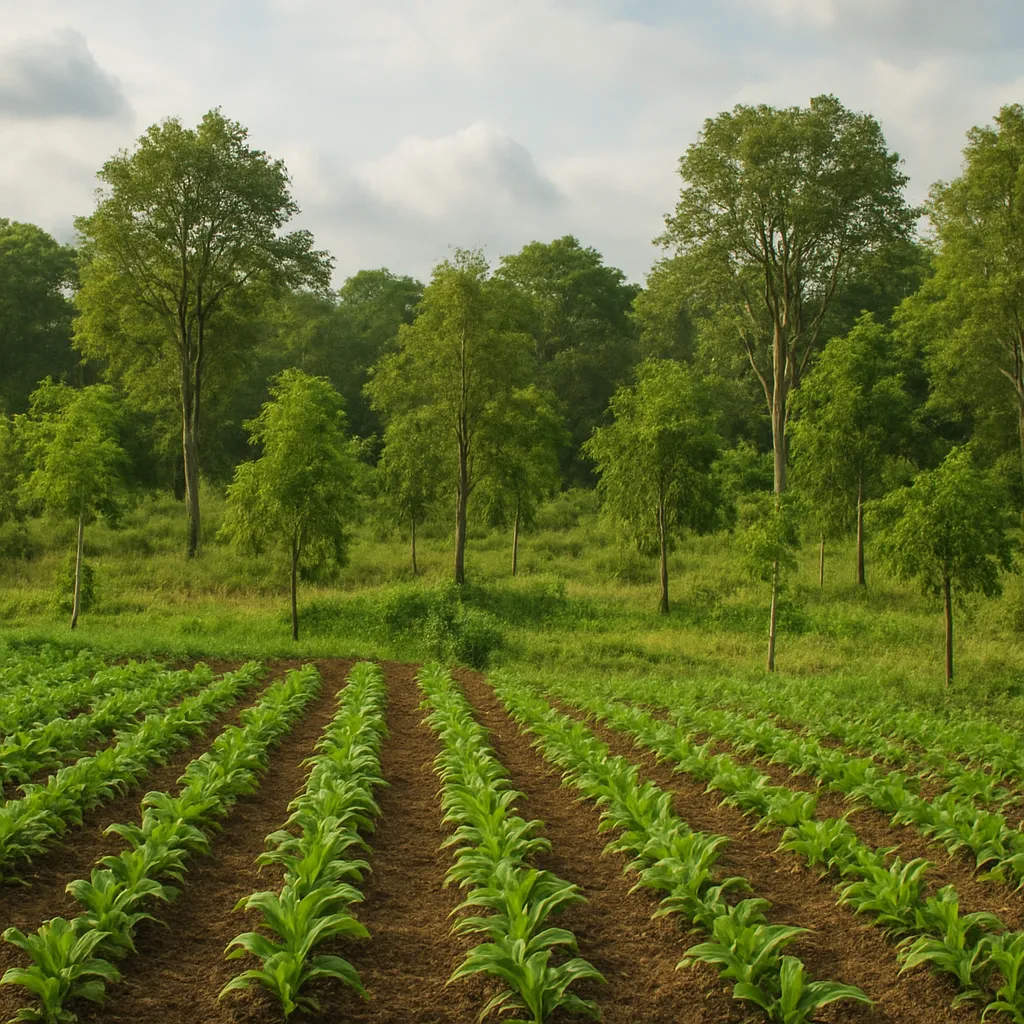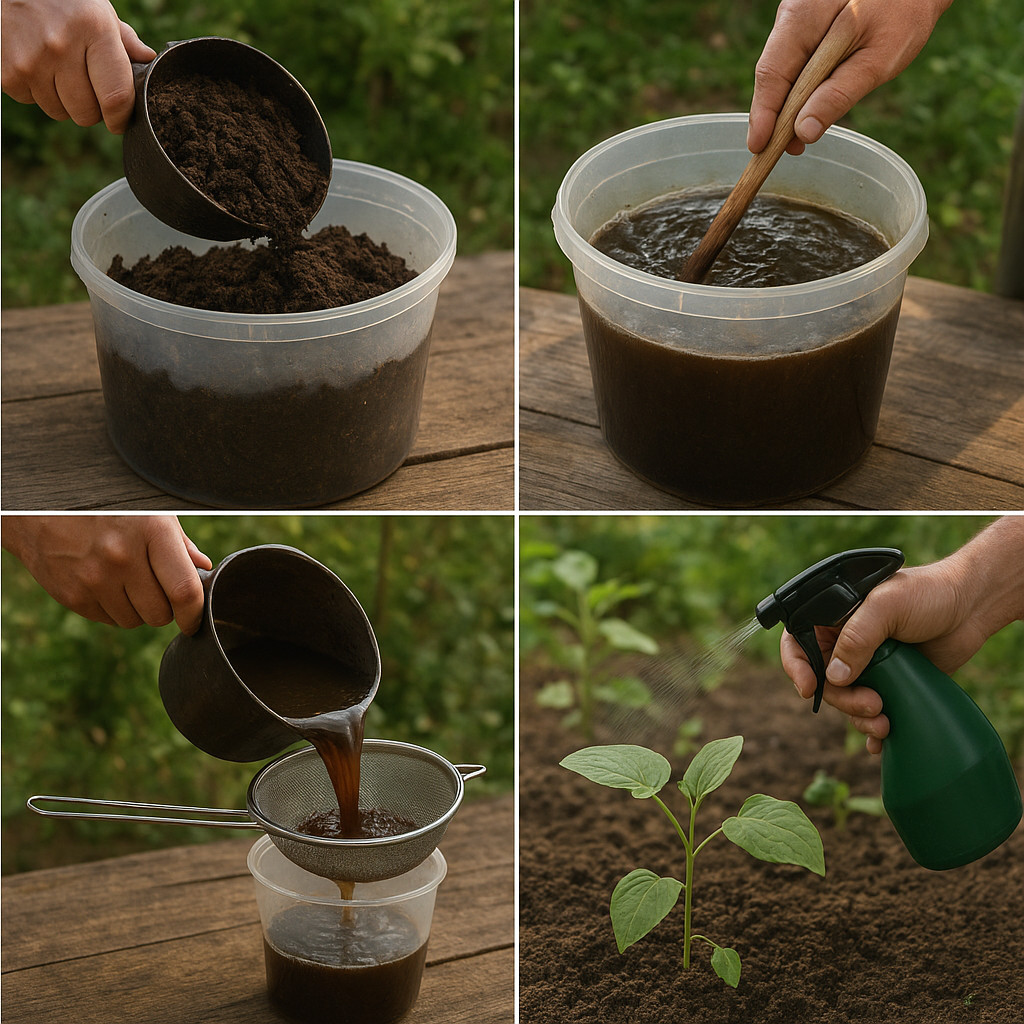
Utilizing **compost** in liquid form offers a dynamic approach to enrich soil health and boost **crop** productivity. By harnessing the power of beneficial **microorganisms**, gardeners and farmers can provide plants with a balanced array of **nutrients** that support vigorous growth. This guide outlines step-by-step methods to produce, refine, and apply homemade **liquid fertilizer**, complemented by practical **agriculture** tips to maximize your garden or farm yield.
Creating Compost Tea: Ingredients and Preparation
High-quality compost tea depends on selecting the right base materials and maintaining hygiene throughout the brewing process. Follow these steps to gather ingredients and prepare for extraction:
- Compost: Use mature, well-aged compost free of contaminants or weed seeds. The more diverse the source material (yard trimmings, kitchen scraps, manure), the richer your tea will be.
- Water: Choose chlorine-free water (rainwater or dechlorinated tap water) to avoid killing beneficial microbes.
- Aeration device: An aquarium pump with tubing and an air stone ensures **oxygenation** essential for aerobic microbial activity.
- Container: Food-grade bucket or plastic bin (minimum 5 gallons) to allow room for agitation without spillage.
Step-by-Step Setup
- Place 1 to 2 cups of sifted compost into a mesh bag or porous sock.
- Submerge the bag in 5 gallons of water at room temperature (20–25°C).
- Install the air stone at the bottom of the container, connect to the pump, and ensure continuous aeration.
- Allow brewing for 24 to 48 hours, stirring briefly if aeration falters.
Extraction and Aeration Techniques
Effective extraction relies on maintaining an **aerobic** environment that encourages multiplication of beneficial bacteria and fungi. Proper **aeration** prevents anaerobic pathogens from dominating the brew.
- Continuous airflow: Keep the pump running throughout the brewing period. Intermittent aeration can lead to foul smells and unwanted microbial shifts.
- Temperature control: Optimal brew temperature is between 18°C and 25°C. Too hot accelerates decomposition, too cold slows microbial growth.
- pH monitoring: Aim for a neutral pH of 6.5–7.5. If necessary, adjust with diluted lime (to raise pH) or **vinegar** (to lower pH), in small increments.
Enhancing Microbial Diversity
To further stimulate beneficial **microorganisms**, consider adding:
- Unsulfured molasses (1–2 tablespoons) for a carbon source that fuels bacterial growth.
- A handful of powdered kelp or rock dust for trace minerals and micronutrients.
- Humic acid or seaweed extract to improve nutrient uptake and stress resistance.
Application Methods and Best Practices
Once your liquid fertilizer is ready, proper **dilution** and timing are key to prevent plant burn and optimize nutrient delivery.
Dilution Ratios
- Foliar spray: Mix 1 part compost tea with 10 parts water for direct leaf application.
- Root drench: Use a 1:5 dilution to pour around the base of plants, feeding the root zone deeply.
- Seedling boost: For young transplants, dilute at 1:12 to avoid overwhelming tender roots.
Timing and Frequency
- Apply **liquid fertilizer** early in the morning or late afternoon to avoid direct sunlight, which can cause rapid evaporation and leaf scorch.
- During active growth phases (vegetative or flowering), apply every 7–14 days for continual **nutrient** support.
- Complement soil application with monthly foliar sprays to target **foliage** feeding and disease suppression.
Integration with Other Practices
- Combine liquid feeding with **mulching** and drip irrigation to conserve moisture and further support soil health.
- Rotate crops annually to maintain **soil** fertility and reduce pest build-up.
- Test soil regularly to adjust nutrient balances and ensure no deficiencies develop over time.
Advanced Tips and Troubleshooting
Maximize the effectiveness of compost tea by understanding common pitfalls and exploring advanced enhancements.
Troubleshooting Off Odors and Algae
- Foul smells indicate anaerobic conditions: increase **aeration** time or add fresh compost slurry.
- Algae growth on the surface: cover the container with an opaque lid or cloth to block light.
Strengthening Root Systems
- Incorporate mycorrhizal inoculants at planting to synergize with compost tea microbes.
- Use a root drench at transplant to reduce shock and stimulate early **root** development.
Scaling Up for Commercial Use
- Invest in larger air blowers and custom mesh filtration systems for bulk **production**.
- Implement recirculation loops to maintain consistent microbial populations and nutrient concentration.
- Monitor microbial colony counts periodically using field test kits to ensure product quality.
Embracing Sustainability
- Recycling garden waste into compost reduces landfill burden and promotes a **sustainability** cycle.
- On-farm production of liquid fertilizer lowers dependence on synthetic inputs and reduces costs.
- Sharing tea recipes and microbial cultures with community gardens fosters local resilience and collaboration.