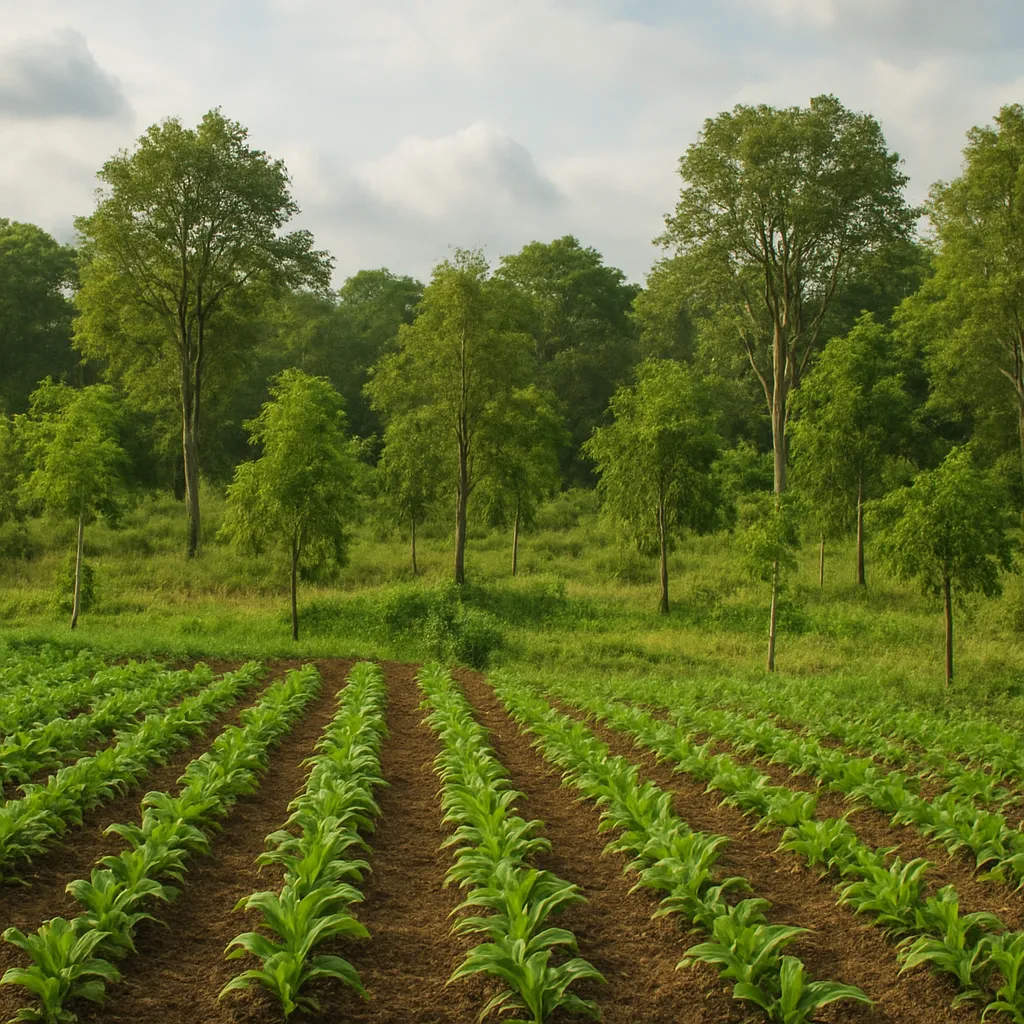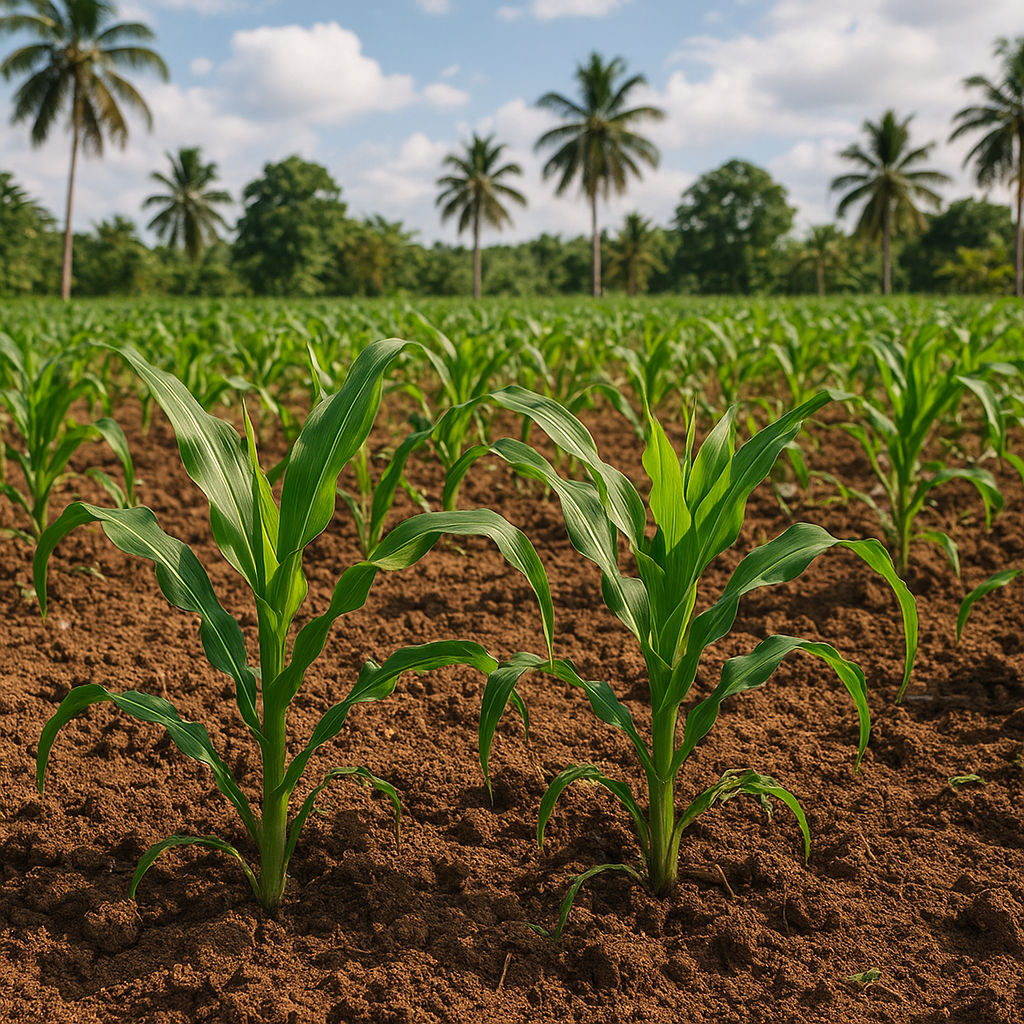
Growing maize in tropical climates demands a deep understanding of local environmental conditions, strategic planning, and the adoption of best practices to ensure healthy crops and high yields. This guide delves into practical agriculture tips and techniques that help farmers maximize productivity while maintaining sustainable land use.
Selecting Suitable Maize Varieties
Adapting to Tropical Conditions
One of the first steps toward a successful maize harvest is choosing the right variety. In tropical regions, growers face challenges such as high humidity, unpredictable rainfall, and intense heat. Opting for drought-resistant and heat-tolerant hybrids can make a significant difference. Many seed companies now offer strains specifically bred to thrive under these conditions, with shorter maturity cycles to avoid dry spells.
Evaluating Seed Quality
- Purchase certified seed from reputable suppliers to ensure genetic purity.
- Check germination rates on the packet; aim for at least 85% success.
- Inspect kernels for uniform size and absence of damage or discoloration.
- Consider local trials or field demonstrations to observe performance in your area.
Soil Management and Preparation
Soil Testing and Analysis
Healthy soil is the foundation of high-yield maize. Conduct comprehensive testing to determine pH levels, organic matter content, and nutrient availability. Tropical soils can be acidic; integrating lime can adjust pH toward the neutral range (6.0–7.0). Use professional labs or portable test kits to guide your amendment strategy.
Organic Matter and Fertility
Enriching soil with organic matter boosts fertility, water retention, and microbial activity. Incorporate well-rotted compost or green manures, such as legume cover crops, before planting. This addition supplies essential nitrogen and improves soil structure. For optimal results, aim for 3–5% organic content by volume.
Land Preparation Techniques
- Plow or till fields to a depth of 20–30 cm to break compact layers and improve drainage.
- Remove weeds and residue that can harbor pests and diseases.
- Level the planting area to facilitate uniform water distribution.
- Create raised beds or ridges if waterlogging is a concern during heavy rains.
Planting Strategies and Crop Spacing
Optimal Seeding Rates
Proper plant density ensures each maize plant has access to adequate light, nutrients, and moisture. Recommended rates range from 50,000 to 70,000 seeds per hectare, depending on the variety and local climate. Adjust spacing to prevent competition: rows should be about 75 cm apart, with 20–25 cm between individual plants.
Direct Sowing vs. Nursery Transplants
- Direct sowing reduces labor and transplant shock but may lead to uneven stands if rainfall is erratic.
- Nursery transplanting allows for better early growth under controlled conditions, especially in drought-prone areas.
- Harden seedlings by gradually exposing them to field conditions before planting.
Water Management and Irrigation Strategies
Efficient Irrigation Methods
In tropical climates, maize often faces periods of both water scarcity and excessive rainfall. Implementing drip irrigation or micro-sprinklers can increase water-use efficiency by targeting roots directly. These systems minimize evaporation and surface runoff, ensuring that moisture reaches critical growing zones.
Rainwater Harvesting and Storage
- Construct farm ponds or tanks to capture excess rainwater during the wet season.
- Install rain gutters on storage sheds to channel water into collection barrels.
- Use plastic liners or natural clay to reduce seepage losses in storage facilities.
Mulching and Weed Control
Benefits of Mulching
Applying organic or plastic mulch around maize rows maintains soil moisture, suppresses weeds, and moderates soil temperature. Organic mulch, like straw or grass clippings, also contributes to soil fertility as it decomposes.
Integrated Weed Management
- Combine mechanical weeding with cover crops to reduce reliance on herbicides.
- Use narrow flame weeding for small weed seedlings between rows.
- Rotate herbicide modes of action to prevent resistant weed populations.
Pest and Disease Management
Common Pests and Biological Control
Maize in the tropics is vulnerable to stalk borers, armyworms, and aphids. Embrace integrated pest management (IPM) by encouraging natural predators, such as ladybugs and parasitic wasps. Planting flowering strips attracts beneficial insects that prey on pests.
Monitoring and Disease Prevention
- Inspect fields weekly during the vegetative and reproductive stages.
- Remove and destroy infected plants to limit disease spread.
- Employ resistant varieties against common fungal issues like rusts and blights.
- Ensure proper crop rotation with non-host species to break disease cycles.
Fertilization and Nutrient Management
Balanced Nutrient Supply
Use soil test results to tailor fertilizer programs. A typical recommendation might include:
- Nitrogen (N): 120–180 kg/ha, split applications at planting and tasseling.
- Phosphorus (P2O5): 40–60 kg/ha applied at planting to support early root development.
- Potassium (K2O): 60–100 kg/ha to enhance stalk strength and stress tolerance.
Consider foliar feeding during critical growth stages to correct micronutrient deficiencies rapidly.
Harvesting and Post-Harvest Practices
Determining Harvest Time
Harvest maize when the kernels reach physiological maturity, indicated by a black layer at the base and moisture content around 20–25%. Delaying harvest risks pest infestations and mold growth.
Drying and Storage
- Dry kernels to 12–14% moisture to prevent aflatoxin development.
- Use solar dryers or mechanical fans for consistent airflow.
- Store grain in airtight containers or hermetic bags with desiccants.
- Monitor stored maize regularly to detect pests early and maintain quality.
Continuous Learning and Community Collaboration
Extension Services and Farmer Networks
Staying informed about new techniques and local research can boost farm productivity. Participate in agricultural workshops, join cooperatives, and exchange experiences with fellow growers. Collaborating with extension officers ensures access to the latest findings on maize cultivation.
Record Keeping and Data Analysis
- Maintain detailed logs of planting dates, fertilizer applications, and yields.
- Analyze performance year-over-year to identify trends and areas for improvement.
- Adjust practices based on data, such as altering planting schedules or input rates.