Farming across the globe is undergoing a remarkable transformation as traditional methods meet cutting-edge technology. With rising demands for food and a shrinking rural workforce, growers are turning to robotics to bridge the gap. By integrating intelligent machines into fields and greenhouses, agriculture is set to benefit from unprecedented levels of efficiency and productivity. This article explores how robotics addresses labor challenges, highlights leading innovations, and offers practical tips for farms of all sizes.
Role of Robotics in Modern Agriculture
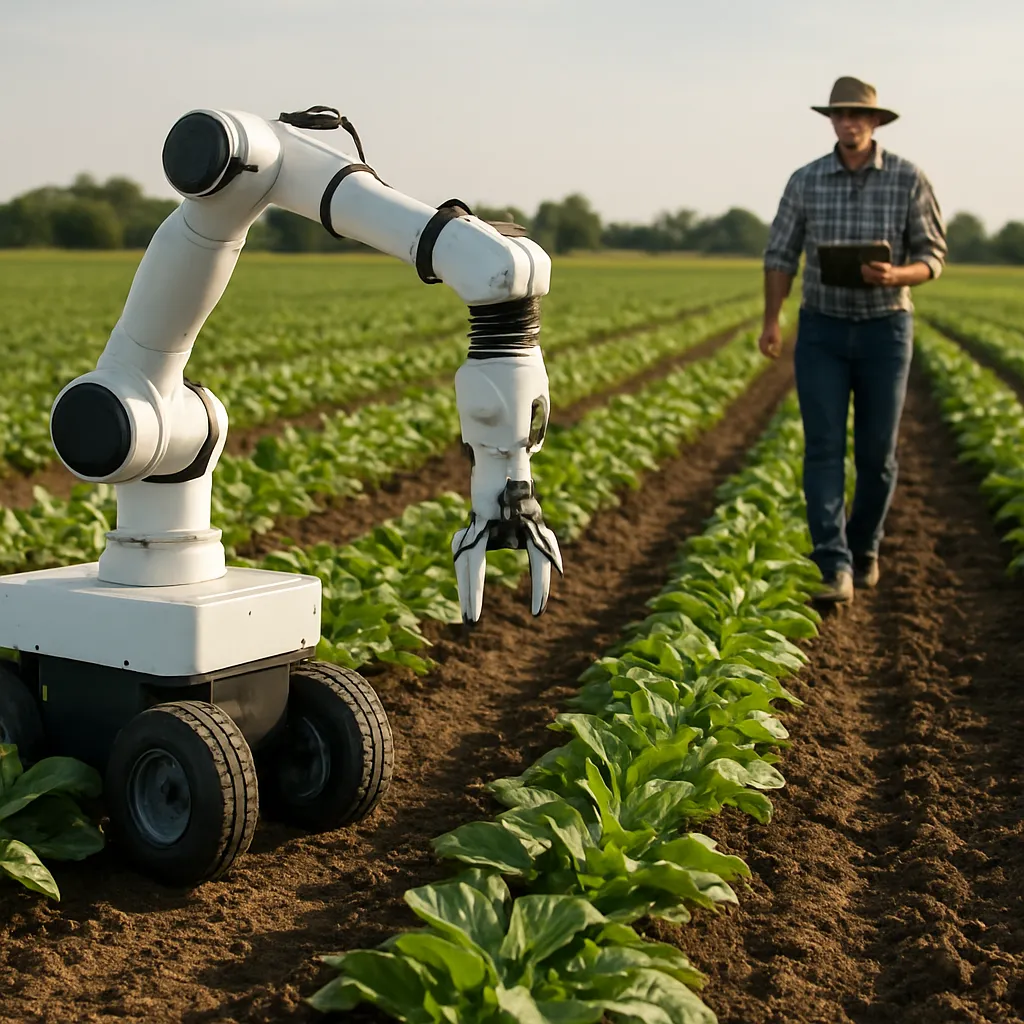
Modern farms grapple with unpredictable weather, rising input costs, and a shortage of skilled workers willing to perform repetitive field tasks. Robotics emerges as a strategic solution, offering reliable performance day and night. Autonomous machines can tirelessly handle seeding, weeding, and harvesting, while reducing dependency on seasonal labor. By embracing robotics, farmers unlock the potential to cultivate larger plots without proportionally increasing human resources.
Key benefits of robotic adoption include:
- Automation of routine operations, minimizing human fatigue.
- precision in applying fertilizers and pesticides.
- sensors.
- yield.
Beyond immediate productivity gains, robotics also drives sustainability by ensuring inputs are used exactly where and when needed. This precision not only cuts costs but also protects soil health and water quality. As public scrutiny of agricultural practices intensifies, robotic tools help demonstrate environmental responsibility.
Key Robotic Technologies Transforming Farming
Several categories of robots are reshaping field and greenhouse operations:
1. Autonomous Tractors and Field Vehicles
Self-driving tractors equipped with GPS and machine vision can cultivate, plant, and harvest with minimal oversight. These vehicles maintain consistent speeds, follow precise routes, and adjust to terrain variations. With real-time data feeds, they optimize fuel use, improving the cost-effectiveness of large-scale operations.
2. Harvesting Machines
Harvesters designed for fruits, vegetables, and grains use robotic arms, cameras, and AI algorithms to identify ripe produce. By gently picking or cutting crops, they reduce damage and spoilage. Harvest robots can work around the clock, addressing peak harvesting windows that often coincide with labor shortages.
3. Unmanned Aerial Vehicles (UAVs) and drones
Drones equipped with multispectral cameras survey fields quickly, detecting nutrient deficiencies, pest infestations, and irrigation issues. These aerial robots generate high-resolution maps, allowing targeted intervention. Spot spraying drones apply chemicals only to affected areas, reducing overall chemical use by up to 90%.
4. Weeding and Thinning Robots
Weed-control bots navigate rows autonomously, using mechanical arms or precision lasers to eliminate unwanted plants. By substituting chemical herbicides, these machines promote healthier soil ecosystems and lower input costs. Thinning robots in greenhouses selectively remove excess seedlings, ensuring optimal spacing for growth.
Best Practices and Tips for Integrating Robotics
Adopting robots requires careful planning and adaptation. Farms of all scales can follow these guidelines to maximize returns:
- Start with a pilot project on a small plot to evaluate performance under local conditions.
- Train staff on basic maintenance tasks to minimize downtime when issues arise.
- Partner with technology providers offering robust after-sales support and software updates.
- Implement data management systems to analyze insights collected by machines.
- Prioritize interoperability so new robots can integrate with existing farm management platforms.
Additional tips for smoother integration:
Tip 1: Establish Clear Objectives
Define specific goals—such as reducing labor hours by 30% or increasing harvest speed by 20%. Clear targets enable you to select the right robotic solution and measure success accurately.
Tip 2: Optimize Field Layout
Straight, unobstructed rows help autonomous vehicles navigate with ease. Remove unnecessary obstacles and maintain consistent row spacing to enhance robot performance.
Tip 3: Monitor Technology Trends
Stay informed about emerging sensors, AI algorithms, and battery advancements. Continuous innovation in robotics can open new possibilities for precision agriculture and labor efficiency.
Challenges and Future Outlook
Despite the clear benefits, robotics adoption faces several hurdles. High upfront investments can deter small-scale farms. Technical complexity may require new skill sets, creating a learning curve for existing teams. Additionally, regulatory frameworks governing the use of autonomous machines in public areas are still evolving.
However, ongoing research promises to lower costs and enhance usability. Advances in battery technology will extend operating times, while modular designs will make maintenance simpler. Collaboration between universities, government bodies, and industry players is accelerating innovation cycles.
Looking ahead, robotics will likely merge with other trends such as vertical farming, IoT networks, and blockchain-enabled supply chains. This integration will lead to fully connected, intelligent farms that self-adjust to environmental changes, ensuring food security and farm profitability worldwide.