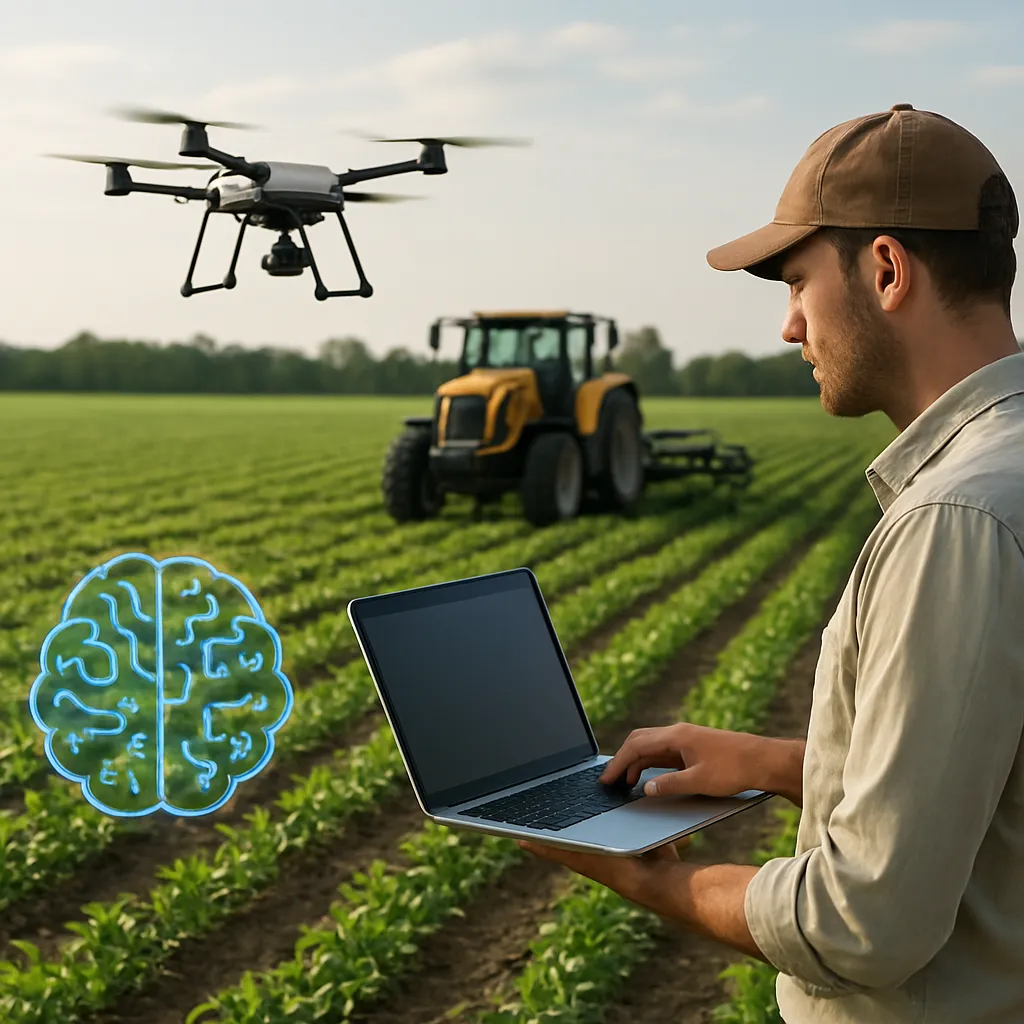
Advancements in Artificial Intelligence are reshaping the way farmers manage fields, monitor crops, and optimize resources. By combining powerful sensors, advanced algorithms, and real-time data, modern agriculture is achieving unprecedented levels of precision agriculture, boosting crop yield, and reducing environmental impact. This article explores key innovations, practical tips for integration, and emerging trends that will define the future of sustainable farming.
Innovations in AI-Driven Farming
Smart Sensors and IoT Devices
Deploying a network of field sensors and Internet of Things (IoT) devices allows growers to continuously track soil moisture, temperature, and nutrient levels. These devices feed data into machine learning models that detect anomalies early, enabling targeted irrigation and fertilization. Such real-time insights improve water use efficiency, conserve energy, and enhance overall resource management.
Machine Learning and Predictive Modeling
Machine learning algorithms process historical weather patterns, soil composition, and crop performance to generate reliable forecasts. By employing predictive modeling, farmers can anticipate pest outbreaks, disease spread, or sudden weather shifts. Early warnings enable swift interventions, minimizing losses and reducing reliance on broad-spectrum pesticides.
Autonomous Machinery and Robotics
Robotic tractors, drones, and harvesters are rapidly gaining traction on commercial farms. Equipped with AI vision systems, these machines perform tasks such as weeding, seeding, and harvesting with remarkable accuracy. Automation not only addresses labor shortages but also ensures consistent field operations, boosting efficiency and lowering labor costs.
Data Analytics and Decision Support
Large-scale farms generate massive volumes of data, from satellite imagery to equipment logs. Advanced data analytics platforms aggregate and interpret this information, delivering actionable recommendations through intuitive dashboards. Decision support tools guide farmers in selecting optimal planting dates, crop varieties, and input levels based on economic forecasts and sustainability goals.
Practical Tips for Integrating Technology on the Farm
Transitioning to a tech-driven operation requires careful planning and phased implementation. The following tips will help you integrate digital tools while maintaining consistency and profitability:
- Start Small: Pilot a single field with a soil moisture sensor or drone survey before scaling up.
- Invest in Training: Ensure that farm staff understand how to operate new equipment and interpret data outputs.
- Leverage Partnerships: Collaborate with agritech startups, research institutions, or cooperatives to share knowledge and reduce costs.
- Focus on Connectivity: Reliable internet or satellite links are essential for real-time monitoring and cloud-based analytics.
- Evaluate ROI: Track key performance indicators such as yield improvement, input reduction, and labor savings.
- Customize Solutions: Choose platforms that allow you to tailor alerts, thresholds, and reporting formats to your specific crop and local climate.
- Maintain Backup Plans: Have manual or low-tech alternatives ready in case of equipment failure or network outages.
- Prioritize Cybersecurity: Protect your data and machinery from unauthorized access by using secure passwords and updated firmware.
- Adopt Modular Upgrades: Select systems that enable incremental hardware or software enhancements without a full replacement.
- Monitor Environmental Impact: Use tools that measure carbon emissions, water footprint, and biodiversity metrics alongside productivity data.
Future Trends and Sustainable Practices
Vertical and Controlled-Environment Agriculture
Indoor farming methods, such as vertical or greenhouse cultivation, benefit enormously from AI-driven climate control and lighting regimes. By adjusting temperature, humidity, and LED spectra in real time, producers can achieve year-round production with minimal land use. This approach contributes to urban food security and reduces transportation-related emissions.
Biotechnology and Genomic Selection
Next-generation sequencing and AI pattern recognition accelerate the development of crop varieties with enhanced drought tolerance, pest resistance, or nutritional content. By analyzing vast genetic datasets, breeders can predict the performance of hybrid lines before field trials, speeding up innovation cycles while safeguarding biodiversity.
Blockchain for Traceability
Combining AI with blockchain technology delivers transparent supply chains from farm to fork. Immutable ledgers record every transaction and treatment, enabling consumers and regulators to verify product origin, chemical usage, and handling practices. This traceability fosters trust and can command premium prices for sustainably produced goods.
Climate-Smart Resource Allocation
Artificial intelligence supports adaptive management strategies that respond to shifting climate patterns. By integrating satellite observations, weather models, and field sensors, farms can optimize planting schedules and resource inputs. Such sustainability-oriented planning reduces waste and mitigates the environmental impact of intensive agriculture.
Community and Knowledge Sharing
Farmers’ networks, online forums, and cooperative extension programs play a crucial role in disseminating AI best practices. Engaging with peers and experts ensures continuous learning and fosters innovation diffusion. Emphasizing open-source tools and collaborative research accelerates progress toward resilient, future-ready food systems.
Policy Support and Funding Mechanisms
Government incentives, grants, and low-interest loans can lower entry barriers for small and medium-sized farms seeking to adopt AI solutions. Policymakers must prioritize infrastructure development, digital literacy programs, and cross-sector partnerships to build an inclusive ecosystem that benefits producers, consumers, and the planet.