Effective management of crops does not end at the field edge. Reducing post-harvest losses is vital for improving food security, enhancing profitability, and minimizing environmental impact. This article explores practical strategies, cutting-edge solutions, and capacity-building measures to ensure harvested produce reaches consumers in optimal condition.
Understanding Post-Harvest Losses
Before implementing solutions, it is essential to grasp where and why losses occur. Farmers, transporters, and traders all face challenges that can degrade quality or lead to outright spoilage.
Causes of Losses
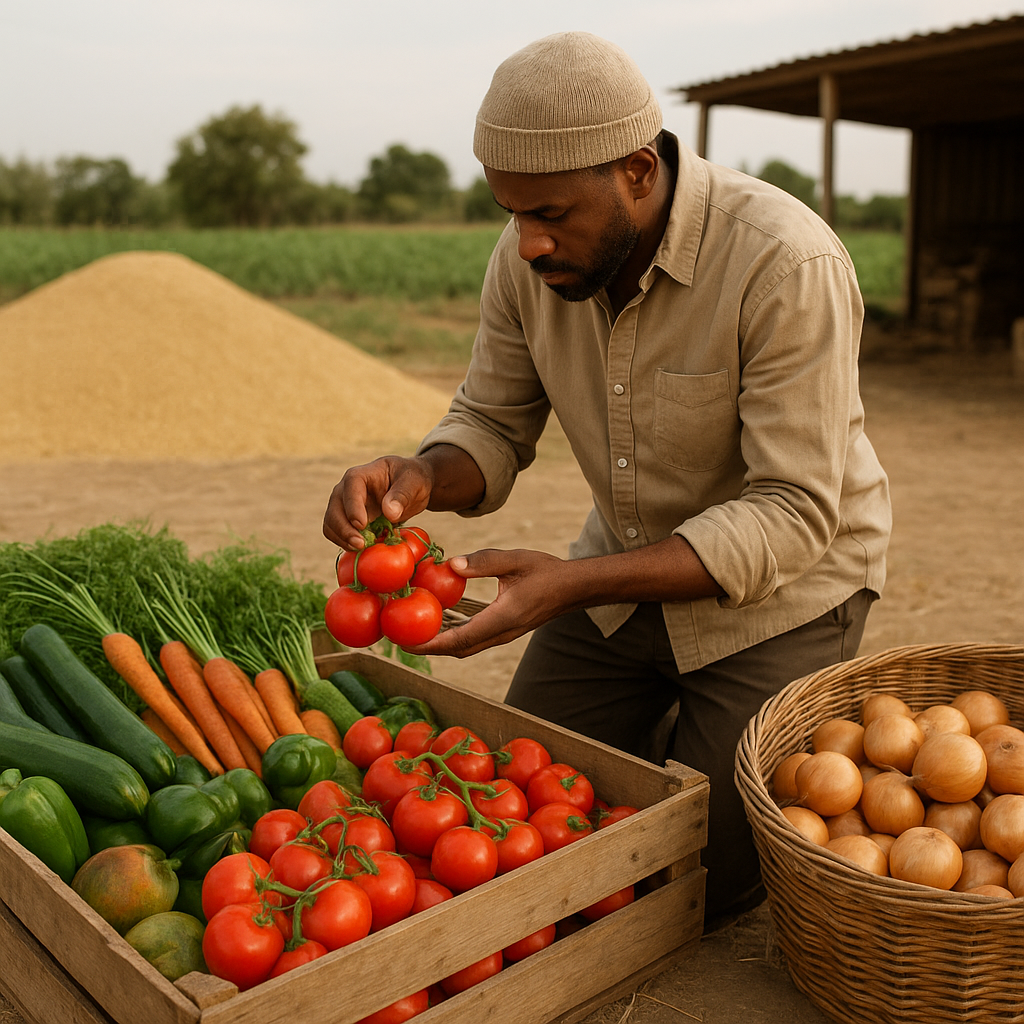
- Poor handling practices during harvesting, such as rough collection or overloading containers.
- Inadequate storage facilities that fail to regulate moisture and temperature.
- Insufficient knowledge about pest and disease management in storage environments.
- Lack of proper packaging materials to protect delicate fruits and vegetables from mechanical damage.
- Breakdowns in the cold chain during transport leading to accelerated spoilage.
Impact on Stakeholders
- Smallholder farmers lose potential income when crops spoil before sale.
- Traders and retailers face reduced shelf life and lower product quality.
- Consumers bear higher prices due to scarcity of fresh produce.
- Wasted resources such as water, land, and labor exacerbate environmental harm.
Effective Handling and Storage Techniques
Improving handling and storage is often the most cost-effective way to cut losses. Simple changes can bring dramatic improvements in quality and longevity of produce.
Harvest Timing and Techniques
- Harvest at the optimal maturity stage to balance taste, nutritional value, and transport tolerance.
- Use clean, well-maintained tools to minimize bruising and microbial contamination.
- Implement a grading system in the field to sort out damaged or diseased produce immediately.
Storage Facility Design
Well-designed facilities can maintain ideal conditions for different types of produce. Consider these factors:
- Ventilation: Ensure continuous air flow to prevent heat buildup.
- Temperature control: Use evaporative coolers or mechanical refrigeration to maintain recommended ranges.
- Humidity regulation: Install moisture meters and humidifiers/dehumidifiers to keep relative humidity within desired thresholds.
- Separate storage zones for ethylene-sensitive crops like apples and ethylene-producing crops like bananas.
Improved Packaging Options
- Use perforated plastic crates or mesh bags to allow airflow.
- Employ biodegradable liners treated with natural antimicrobials to prolong freshness.
- Label packaging with date of harvest, variety, and handling instructions to improve traceability and decision-making downstream.
Technological Innovations and Solutions
Advances in technology offer new avenues to reduce wastage and enhance value. Integration of these tools can create a more resilient infrastructure.
Cold Chain Enhancements
- Solar-powered cold rooms in off-grid areas to ensure uninterrupted refrigeration.
- Portable chilling units equipped with phase-change materials to keep produce cool during transit.
- Real-time temperature trackers that alert managers to deviations, preventing spoilage before it happens.
Smart Monitoring Systems
- IoT sensors that record atmospheric conditions and send alerts via mobile networks.
- Blockchain-based traceability platforms ensuring transparent, tamper-proof records from farm to consumer.
- Data analytics to predict spoilage risk periods and optimize distribution schedules.
Value-Addition Technologies
- Solar dryers for fruits, vegetables, and grains to extend shelf life and create new revenue streams.
- Mobile processing units for on-farm packaging, sorting, and minimal processing (e.g., cutting, washing).
- Natural biopreservatives and edible coatings that inhibit microbial growth and reduce moisture loss.
Training and Capacity Building
Even the best technologies and facilities achieve limited impact without skilled operators. Training and community engagement are pivotal.
Farmer Field Schools
- Hands-on workshops demonstrating best practices in harvesting, sorting, and storage.
- Peer-to-peer learning platforms where farmers share local solutions and indigenous methods.
- Digital training modules accessible via smartphones for on-the-go learning.
Extension Services and Advisory Networks
- Regular visits by extension agents to monitor practices and offer customized advice.
- Hotline support for troubleshooting storage, pest, and handling issues in real time.
- Collaborations with research institutions to field-test novel innovations under local conditions.
Market Linkages and Cooperative Models
- Formation of cooperatives to pool resources for shared cold storage and transport.
- Collective bargaining to access better packaging materials and logistics services.
- Contract farming agreements specifying quality standards and reducing uncertainties for both farmers and buyers.
Reducing post-harvest losses requires a holistic approach that combines sound agricultural practices, modern technology, and robust human capacity. By investing in infrastructure, fostering knowledge exchange, and adopting monitoring systems, stakeholders across the value chain can secure higher incomes, ensure food availability, and protect precious environmental resources.