Effective irrigation lies at the heart of modern agriculture, linking water resources and crop productivity in a delicate balance. Choosing the right method can boost efficiency, reduce waste, and improve overall farm sustainability. This guide explores various irrigation techniques, highlights crucial decision-making factors, and offers practical tips to help farmers maximize yield while conserving precious water.
Understanding Different Irrigation Techniques
Farmers have access to numerous irrigation methods, each with unique advantages and challenges. Matching your soil type, climate, and crop needs to an appropriate system can transform water into a productive asset. Below is an overview of the most common approaches:
-
Surface Irrigation
This traditional method conveys water over the soil by gravity. Channels or furrows guide the flow across fields. Its main strength is low initial investment, but it often leads to uneven distribution and higher evaporation losses.
-
Sprinkler Irrigation
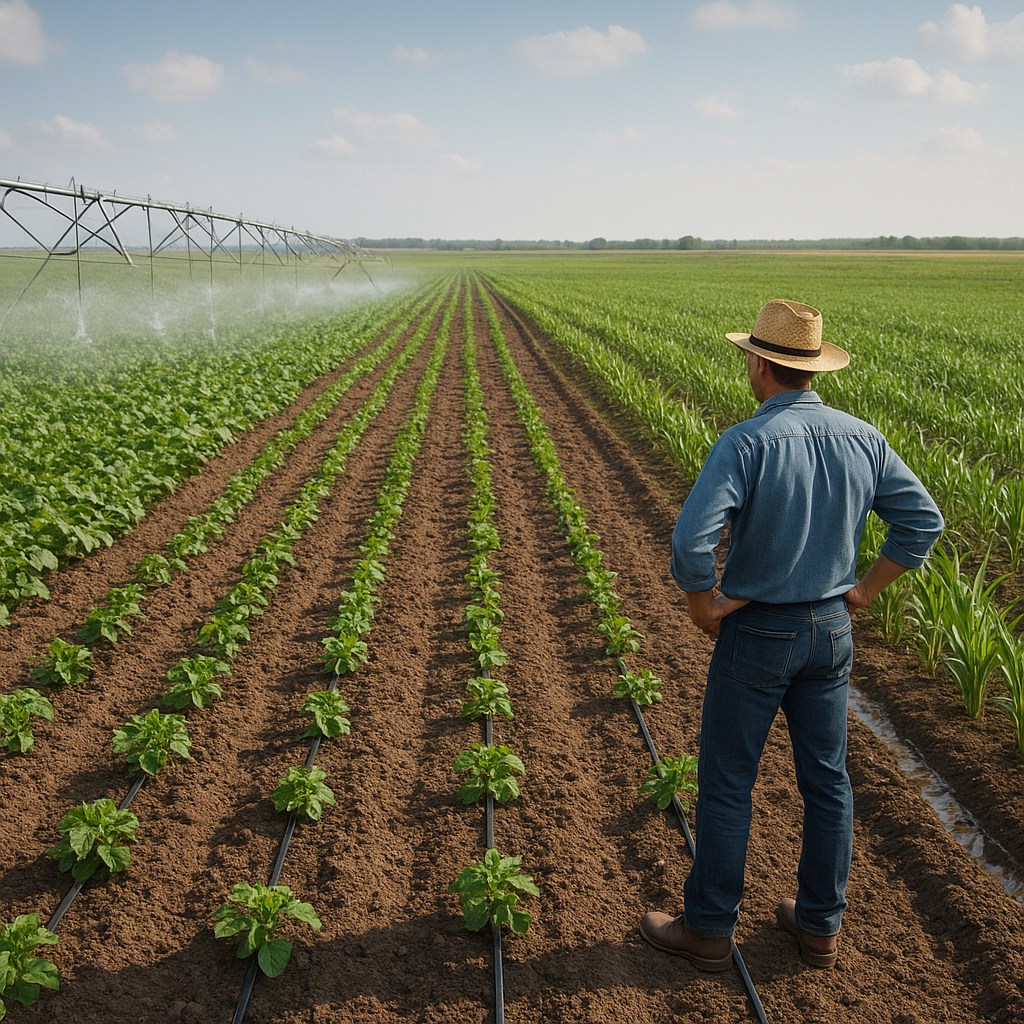
Sprinklers distribute water through pressurized pipes, simulating natural rainfall. They offer improved uniformity and can cover large areas. However, wind drift and evaporation can affect performance in arid, windy environments.
-
Drip Irrigation
Drip systems deliver water drop by drop directly to the root zone through a network of tubes and emitters. This approach excels in water management, minimizing runoff and evaporation. It suits high-value crops and orchards but requires higher maintenance and filtration to prevent clogging.
-
Subsurface Irrigation
Water is applied below the soil surface through buried pipes or porous drip tape. It provides excellent moisture control and reduces weed growth on the surface. Installation costs are higher, yet long-term water conservation can justify the investment.
Key Factors to Consider When Choosing an Irrigation Method
Selecting the best irrigation system demands careful evaluation of multiple site-specific variables. Ignoring even one factor can lead to inefficiencies, increased expenses, or crop stress. Consider the following elements before committing to a design:
- Climate and Rainfall Patterns: Regions with irregular or scarce precipitation may benefit most from highly controlled systems like drip or subsurface irrigation.
- Soil Texture and Structure: Sandy soils drain rapidly and often require frequent, low-volume irrigation. Clay soils hold more moisture but risk surface runoff; choose a method that prevents pooling.
- Crop Water Requirements: High-value horticultural crops often justify the precision of drip systems. Field crops might be suited to sprinkler or surface techniques.
- Topography and Field Layout: Sloped terrain can challenge surface irrigation. Sprinklers and drip lines offer more flexibility across uneven ground.
- Water Source and Quality: Limited or saline water sources may need filtration and treatment. Drip systems demand high water quality to avoid emitter blockages.
- Budget and Labor Availability: Surface and sprinkler systems are generally less expensive up front and require less specialist labor. Advanced automation raises both capital and technical training needs.
- Environmental Impact: Reducing runoff and leaching protects local waterways. Choose systems that minimize fertilizer leaching and pesticide drift.
- Technology Integration: Smart sensors, remote monitoring, and automated valves can optimize irrigation schedules, but they increase complexity and maintenance.
- Maintenance Requirements: Every system demands upkeep. Drip and subsurface lines may clog, sprinklers need regular alignment checks, and surface channels can erode.
- Future Expansion: Ensure your choice can scale with farm growth. Modular sprinkler or drip networks often adapt better than fixed surface channels.
Implementing and Managing Your Irrigation System
After selecting a method, successful implementation hinges on proper installation, diligent monitoring, and adaptive management. Follow these steps to build a robust, resource-efficient irrigation setup:
Site Preparation and Installation
- Survey the field, mapping elevation contours and soil variability.
- Design pipe layouts to minimize pressure losses; include pressure regulators where needed.
- Install filtration units for drip and subsurface systems to prevent clogging.
- Test sprinklers for uniform coverage and check emitter flow rates in drip lines.
Scheduling and Automation
Use soil moisture sensors or tensiometers to determine actual soil moisture levels. Program irrigation controllers to operate during low-evaporation windows—often early morning or late evening. Consider integrating weather-based controllers that adjust schedules based on rainfall forecasts.
Maintenance and Troubleshooting
- Regularly flush drip and subsurface lines to clear sediment.
- Inspect sprinkler heads or nozzles for wear and misalignment.
- Monitor pump performance to detect pressure drops or leaks.
- Adjust schedules seasonally to match changing crop phenology and weather conditions.
Enhancing Efficiency with Agronomic Practices
Combining irrigation with sound agricultural practices can significantly improve outcomes:
- Implement crop rotation to maintain soil structure and reduce disease pressure.
- Mulch the soil surface to conserve moisture and suppress weeds.
- Apply fertigation through drip systems, delivering nutrients precisely when and where roots need them.
- Use cover crops to enhance soil organic matter and increase infiltration rates.
Practical Tips for Long-Term Irrigation Success
Consistency and ongoing optimization are keys to sustaining high productivity:
- Keep detailed records of water usage, energy costs, and crop responses.
- Train staff on system operation and basic diagnostics.
- Review performance data annually and upgrade components as technology advances.
- Engage with local agricultural extension services for the latest research and support.
- Invest in remote monitoring tools to identify issues before they become costly problems.
By thoughtfully evaluating your land’s characteristics, water resources, and crop needs, you can select an irrigation method that maximizes efficiency and fosters sustainable growth. Combining technical know-how with practical agronomic strategies will ensure your farm remains resilient, productive, and environmentally responsible for years to come.