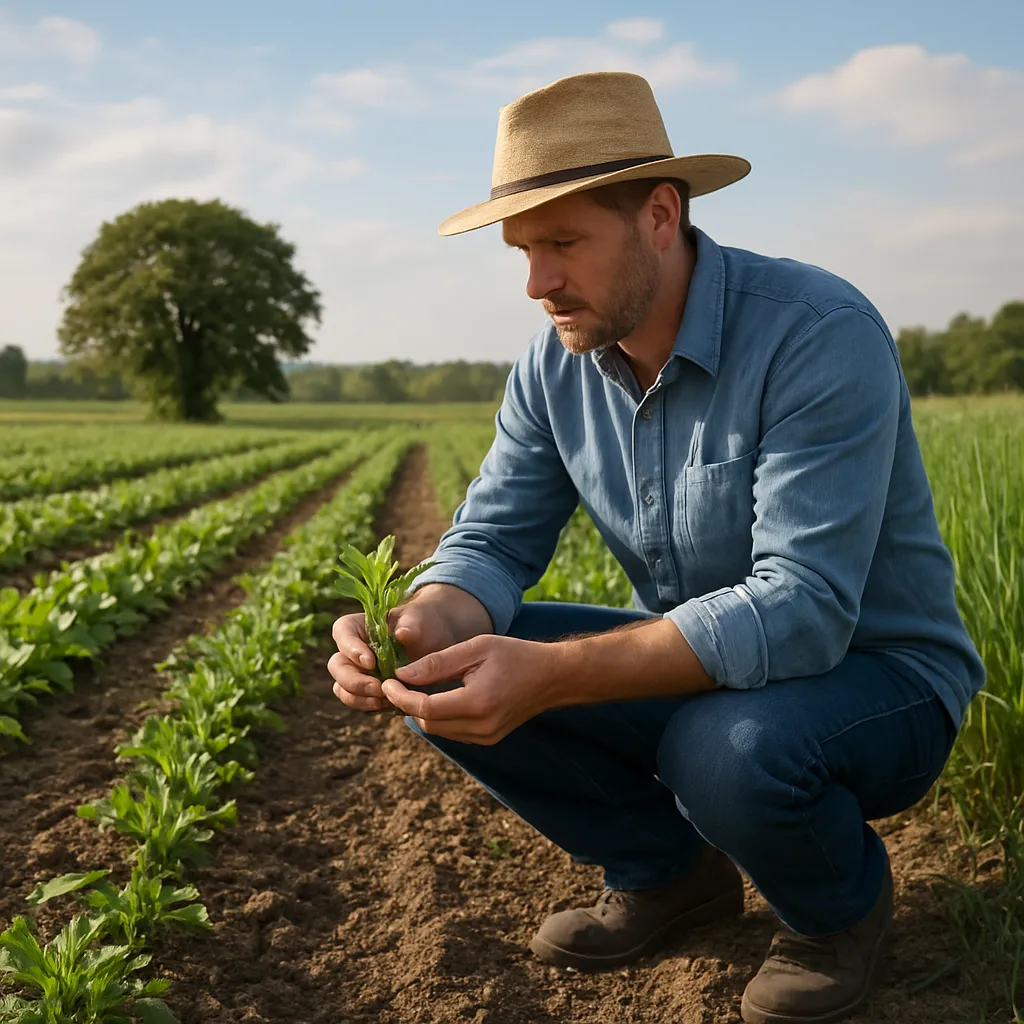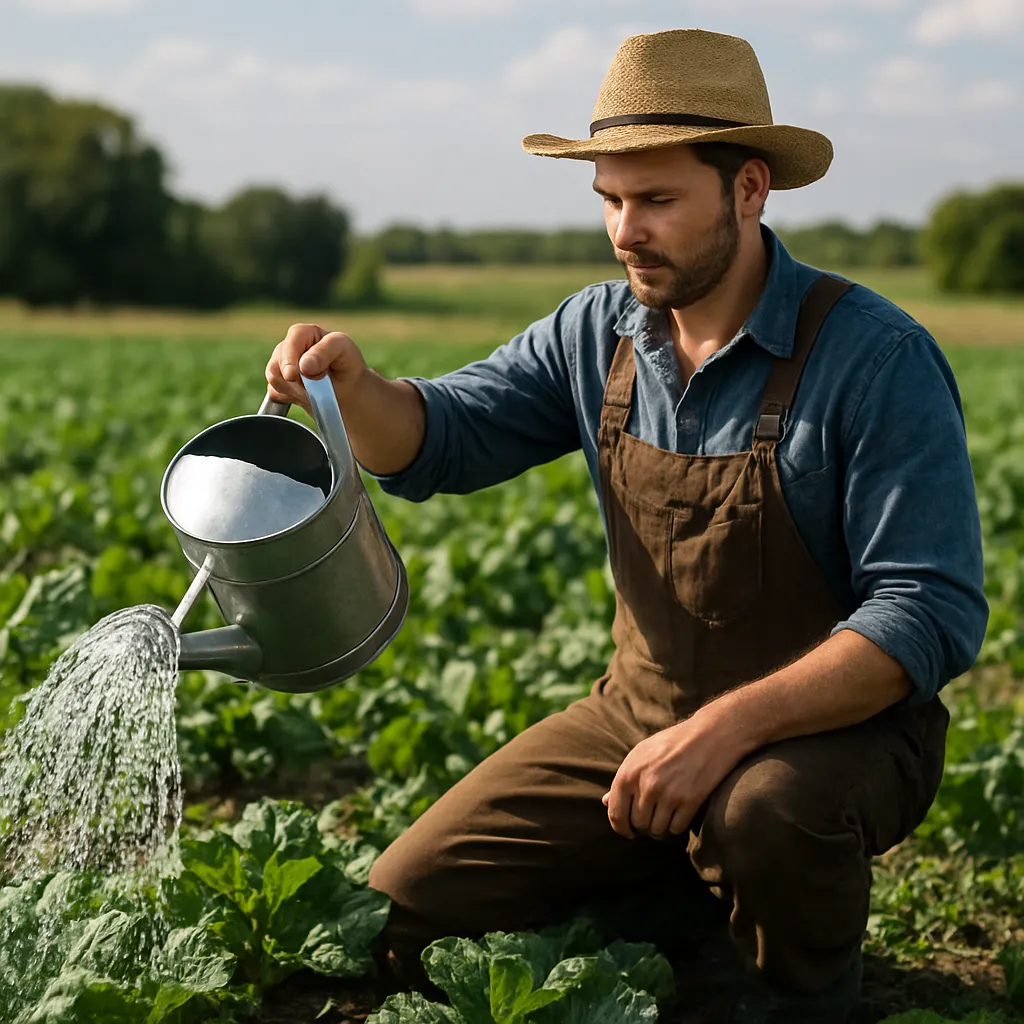
The future of agriculture hinges on our ability to adopt practices that promote long-term environmental health, economic viability, and social equity. By prioritizing sustainable methods, we can ensure that upcoming generations inherit fertile land, abundant **biodiversity**, and resilient communities. This article explores key principles, proven techniques, and practical tips to help farmers, gardeners, and policymakers contribute to the shift toward sustainability.
Benefits of Sustainable Practices
Embracing sustainable agriculture offers multiple advantages that extend far beyond the farm. When growers focus on soil conservation, water efficiency, and ecosystem-friendly techniques, they safeguard natural resources while enhancing productivity. Such measures also strengthen local economies and empower communities to become more self-reliant.
- Enhanced Soil Health: Practices like cover cropping and organic amendments build rich, fertile soils that sustain high yields without synthetic inputs.
- Water Management: Techniques such as drip irrigation and rainwater harvesting minimize waste and preserve precious freshwater supplies.
- Biodiversity Conservation: Integrating diverse crop species and maintaining natural habitats supports pollinators, beneficial insects, and wildlife.
- Climate Resilience: Diversified systems are better equipped to withstand extreme weather events, pests, and diseases.
- Economic Stability: Lower input costs, premium prices for eco-friendly products, and community-supported agriculture models boost farmer income and local economies.
Strategies and Techniques for Sustainable Agriculture
Crop Rotation and Soil Management
Long-term productivity depends on healthy, well-structured soil. Continuous planting of the same crop depletes specific nutrients and disrupts soil biology. By implementing thoughtful rotation plans, growers can:
- Break pest and disease cycles
- Balance soil nutrients naturally
- Encourage beneficial microorganisms
Key soil management tips:
- Use green manure and cover crops like clover or vetch to fix nitrogen and suppress weeds.
- Incorporate compost and well-rotted manure to boost organic matter levels.
- Practice minimal tillage or no-till methods to maintain soil structure and reduce erosion.
Water Conservation and Irrigation
Water scarcity and unpredictable rainfall patterns make efficient water use imperative. Farmers can adopt a range of technologies and practices to optimize irrigation:
- Drip and micro-sprinkler systems deliver moisture directly to the root zone, reducing evaporation losses.
- Rainwater harvesting structures, such as ponds and cisterns, capture runoff for dry-season use.
- Mulching with straw or wood chips retains soil moisture and moderates temperature extremes.
- Soil moisture sensors and automated controllers ensure irrigation only when necessary.
Implementing these measures not only conserves water but also lowers energy costs associated with pumping and distribution.
Agroforestry and Biodiversity Enhancement
Integrating trees with crops and livestock systems—known as agroforestry—delivers numerous ecosystem services. Trees provide shade, reduce wind erosion, sequester carbon, and supply fruit or timber products. Biodiversity can be further enhanced by:
- Planting hedgerows and buffer strips to serve as wildlife corridors.
- Establishing wildflower strips to attract pollinators and predatory insects.
- Maintaining small ponds or wetlands to support amphibians and beneficial microorganisms.
These structures create a mosaic of habitats, leading to stronger pest control and healthier overall ecosystems.
Organic and Integrated Pest Management
Reducing reliance on synthetic chemicals is essential for long-term ecological balance. Organic strategies and integrated pest management (IPM) combine cultural, biological, and mechanical approaches:
- Use disease-resistant crop varieties and timed planting to avoid peak pest pressures.
- Introduce natural predators like ladybugs and lacewings to control aphids and mites.
- Implement physical barriers such as row covers or insect traps.
- Monitor pest populations and apply targeted biopesticides only when thresholds are exceeded.
Implementing and Scaling Up Sustainable Methods
Transitioning to sustainable systems requires coordination among farmers, researchers, policymakers, and consumers. Key steps include:
- Education and Training: Provide field schools, workshops, and demonstration plots to share knowledge and best practices.
- Research and Innovation: Support development of drought-tolerant crop varieties and precision technologies that optimize resource use.
- Policy Incentives: Encourage conservation through subsidies, tax breaks, and payments for ecosystem services.
- Market Development: Create labels or certification programs for sustainably produced goods, enabling consumers to make informed choices.
- Community Engagement: Form cooperatives and local networks to share equipment, labor, and marketing channels.
By working together, stakeholders can build robust supply chains that reward stewardship and foster long-term prosperity.
Practical Tips for Small-Scale Growers
Even small farms and home gardens can adopt sustainable practices. Consider these actionable suggestions:
- Start a compost pile to recycle kitchen scraps and yard wastes into nutrient-rich soil amendments.
- Plant native species and heirloom varieties to promote local adaptation and genetic diversity.
- Rotate vegetable beds annually and practice intercropping to confuse pests and maximize space.
- Collect rainwater from rooftops with barrels and use it for irrigation during dry spells.
- Share tools and seeds with neighbors to reduce costs and enhance community resilience.
These small steps accumulate into significant positive impacts, proving that scale is no barrier to ecological responsibility.