The global demand for food continues to rise, pushing farmers to adopt innovation-driven practices that enhance productivity while preserving the environment. By leveraging modern tools and proven strategies, growers can unlock higher yields, maintain soil health, and reduce waste. Below are several cutting-edge approaches and practical tips to help you optimize your operation for both profit and sustainability.
Precision Farming and GPS Technology
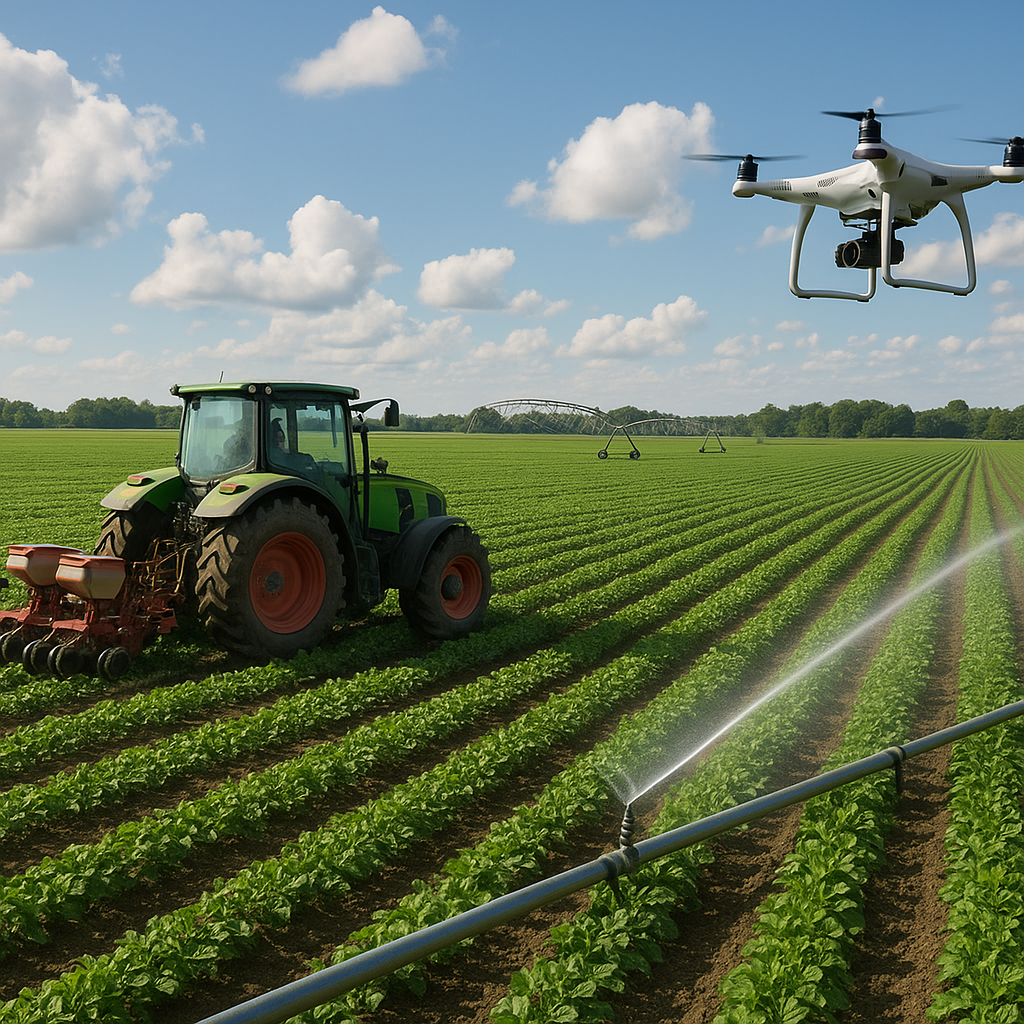
Precision farming relies on detailed field data and advanced technology to optimize planting, fertilizing, and harvesting. Farmers equip tractors and machinery with GPS receivers and sensors to monitor conditions in real time. This approach delivers exact applications of seed, water, and agrochemicals, improving > efficiency and reducing input costs.
- Yield mapping: Track output variations across your fields to identify strong and weak zones.
- Variable rate application: Adjust fertilizer and pesticide dosages based on soil tests, minimizing runoff.
- Soil and moisture sensors: Install probes that measure moisture, temperature, and nutrient levels every few inches.
By integrating GPS data with farm management software, you can generate field-specific action plans and fine-tune operations season after season. This precision-based strategy leads to healthier crops and improved margins without excessive chemical use.
Integrated Pest Management for Healthier Crops
An integrated Pest Management (IPM) program focuses on long-term prevention of pests through a combination of cultural, biological, and chemical controls. Rather than relying solely on broad-spectrum pesticides, adopt a balanced approach that maintains the ecosystem’s natural checks and balances.
- Regular scouting: Walk your fields weekly to identify pest hotspots before infestations spread.
- Biological controls: Release predatory insects such as ladybugs or Trichogramma wasps to suppress harmful populations.
- Resistant varieties: Plant crop strains that inherently fend off common pests in your region.
IPM reduces selection pressure on pests, decreasing the chance of resistance development. Combining cultural practices—crop rotation, intercropping, and optimal planting dates—with targeted chemical use maximizes crop health and minimizes environmental impact.
Advanced Irrigation Systems for Optimal Water Use
Efficient water management is crucial as climate variability increases drought risks. Drip, sprinkler, and subsurface irrigation systems deliver water directly to the root zone, cutting losses from evaporation and runoff. By carefully calibrating delivery schedules, growers can maintain ideal moisture levels without waste.
- Soil moisture probes: Automate irrigation triggers when moisture drops below a set threshold.
- Weather-based controllers: Adjust watering frequencies according to real-time weather forecasts.
- Networked sensors: Use data from multiple sensors to customize irrigation by field or crop type.
Coupling these systems with remote monitoring platforms allows farmers to oversee operations via smartphone or computer, ensuring timely responses to leaks or blockages. The result is consistent growth, reduced water bills, and a stronger commitment to sustainability.
Soil Health Enhancement Techniques
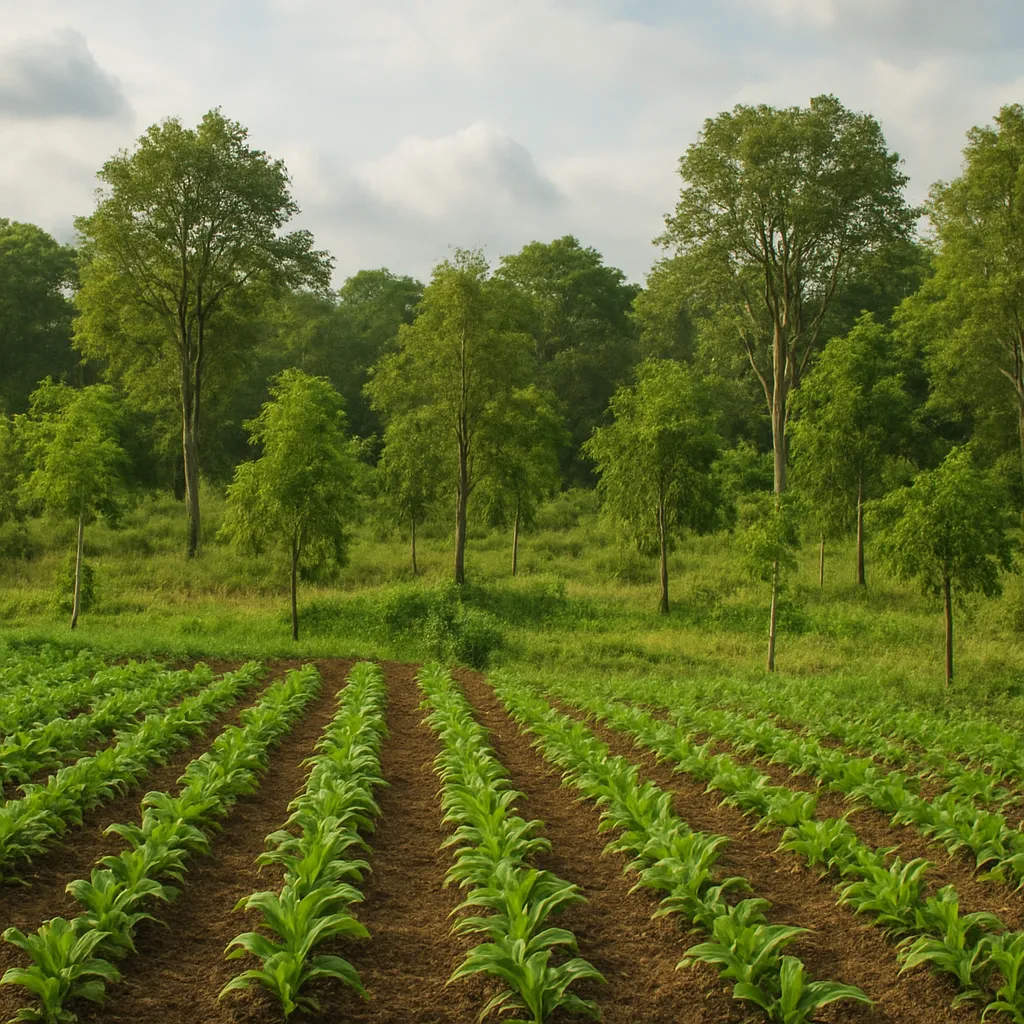
Healthy soils underpin robust crop yields. Depleted or compacted soils limit root development and nutrient uptake. To restore vitality, implement a synergistic mix of practices that feed the soil’s microbial community and support structure.
- Cover cropping: Sow legumes or brassicas in off-seasons to fix nitrogen and suppress weeds.
- Conservation tillage: Minimize plowing to preserve organic matter and reduce erosion.
- Organic amendments: Incorporate compost, manure, or biochar to enrich soil biology.
Test your soil annually for pH, organic carbon, and essential nutrients. Adjust lime or sulfur rates to maintain the optimal pH range (6.0–7.0 for most crops). Enhancing structure with gypsum or deep-rooted cover crops also improves drainage and root penetration, yielding more resilient plants.
Crop Rotation and Diversification Strategies
Alternating crop species in successive seasons disrupts pest and disease cycles, while diversified plantings spread economic risk. Strategic rotation sequences combine cereals, legumes, and cover crops to balance nutrient demands and natural soil enrichment.
- Corn–soybean rotation: Reduces nitrogen fertilizer needs by leveraging legume nitrogen fixation.
- Three-year sequences: Include a mycorrhiza-friendly cover crop (e.g., mustard) to break nematode cycles.
- On-farm trials: Test minor crops or specialty grains to discover emerging market opportunities.
This systematic planning boosts yields across all crops and fosters ecological stability, ultimately enhancing farm-level productivity through nature-based solutions.
Automation and Robotics in Modern Agriculture
Automation accelerates labor-intensive tasks like weeding, harvesting, and monitoring. Robotic planters, unmanned aerial vehicles (UAVs), and autonomous tractors reduce manual hours while improving task accuracy.
- Weeding robots: Use computer vision to distinguish between weeds and crops, applying micro-doses of herbicide only where needed.
- Harvesting bots: Coordinate with ripeness sensors to pick fruit at peak maturity.
- Field drones: Conduct multispectral imaging to detect water stress, nutrient deficiencies, and pest pressure from above.
Early adopters report up to a 30% drop in manual labor costs and faster decision cycles. Embracing automation empowers small and large-scale operations alike to compete on quality and price.
Vertical and Urban Farming Innovations
Urban agriculture leverages technology to grow produce in controlled indoor settings, from vertical racks to fully automated shipping containers. These systems reclaim underutilized urban spaces and deliver ultra-fresh greens to local markets.
- Hydroponics: Cultivate without soil, using nutrient-rich water solutions in closed loops to conserve resources.
- Aquaponics: Combine fish farming with plant production; fish waste fertilizes plants as they filter water for aquatic species.
- LED lighting: Customize light spectra to boost photosynthesis and accelerate growth cycles.
Urban farms can achieve yields up to ten times greater per square foot than traditional fields. They operate year-round, free from weather disruptions, and on-site distribution slashes carbon footprints.
Sustainable Nutrient Management and Biofertilizers
Replacing a portion of synthetic fertilizers with biofertilizers—microbial inoculants that enhance nutrient uptake—supports both plant growth and environmental health. These living products fix atmospheric nitrogen, solubilize phosphorus, and improve soil structure.
- Rhizobium inoculants: Boost legume yields by promoting symbiotic nitrogen fixation.
- Mycorrhizal fungi: Extend the root absorption zone for water and minerals.
- Phosphate-solubilizing bacteria: Make bound phosphorus available to plants.
When incorporated into a holistic nutrient plan, biofertilizers reduce reliance on chemical inputs and lock more carbon in the soil, contributing to long-term sustainability goals.