The Role of Technology in Smart Farming explores how modern innovations transform traditional agriculture into a dynamic, data-driven industry. Adopting cutting-edge tools and practices not only boosts productivity and efficiency, but also enhances resource conservation and environmental stewardship. Farmers worldwide leverage sensor networks, robotics, and advanced analytics to make informed decisions, reduce waste, and improve crop quality.
Precision Agriculture and Sensor Technology
Farmers now harness a variety of sensor types to monitor field conditions in real time. These devices measure soil moisture, nutrient levels, temperature, and sunlight exposure. By integrating this data, growers achieve precise irrigation and fertilization schedules, avoiding overuse of water and chemicals. The result is healthier plants, reduced costs, and minimal runoff into nearby ecosystems.
Types of Sensors
- Soil moisture probes for optimized watering
- pH and nutrient sensors for tailored fertilization
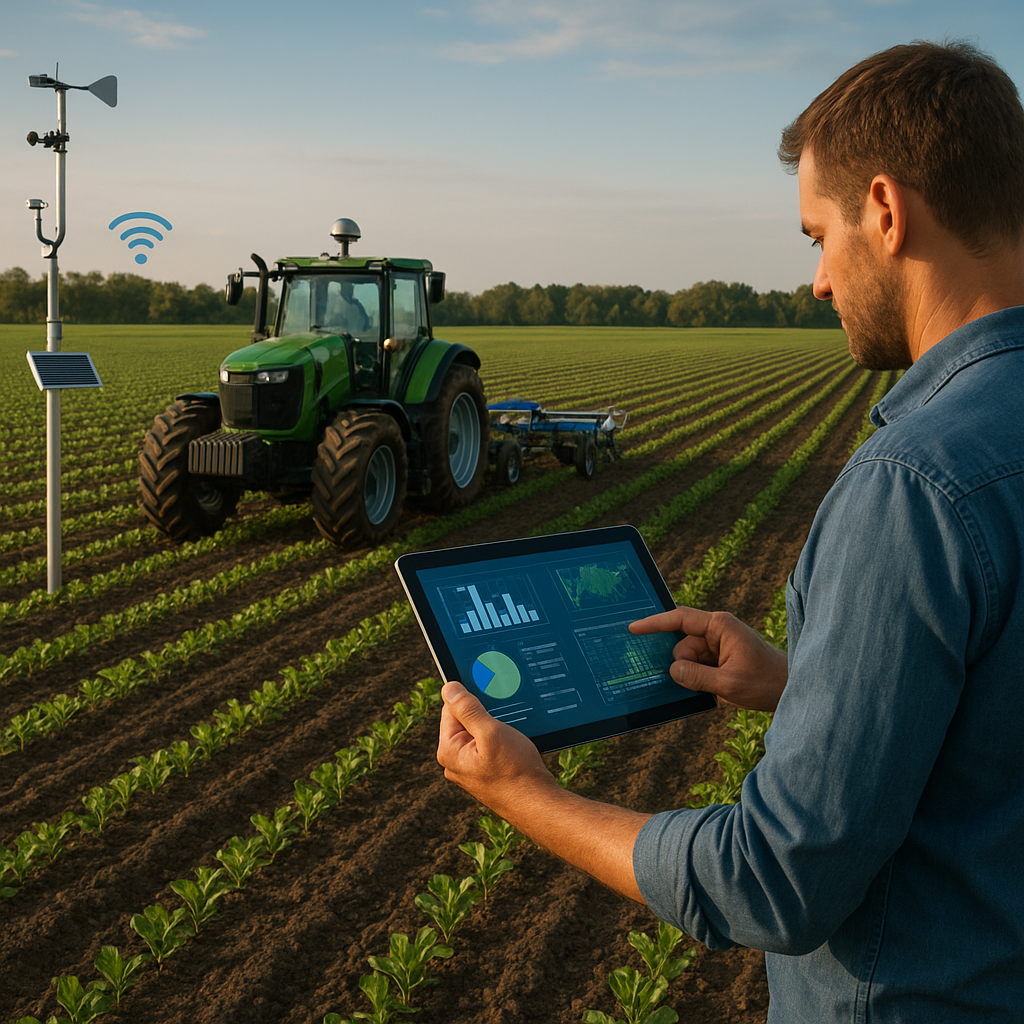
- Weather stations measuring wind, humidity, and temperature
- NDVI (Normalized Difference Vegetation Index) sensors on drones
Implementing a network of environmental sensors demands careful planning. Placement should cover representative zones across each field. Data collected by wireless sensor networks is transmitted to a central hub or cloud platform, where automated alerts notify farmers of potential issues. This early-warning system fosters sustainability by reducing excessive inputs.
Automation and Robotics in the Field
Robotic systems have revolutionized labor-intensive tasks such as planting, weeding, and harvesting. Autonomous tractors guided by GPS and RTK technology follow precise routes, eliminating overlaps. Seeding machines equipped with variable-rate technology adjust depth and spacing on the go. Robotics also play a vital role in selective harvesting, where computer vision distinguishes ripe produce from unripe fruits.
Benefits of Agricultural Robotics
- Consistent performance regardless of operator fatigue
- Reduced labor costs and safety risks
- Fine-tuned operations improve quality and yield
- Scalable solutions for small family farms to large operations
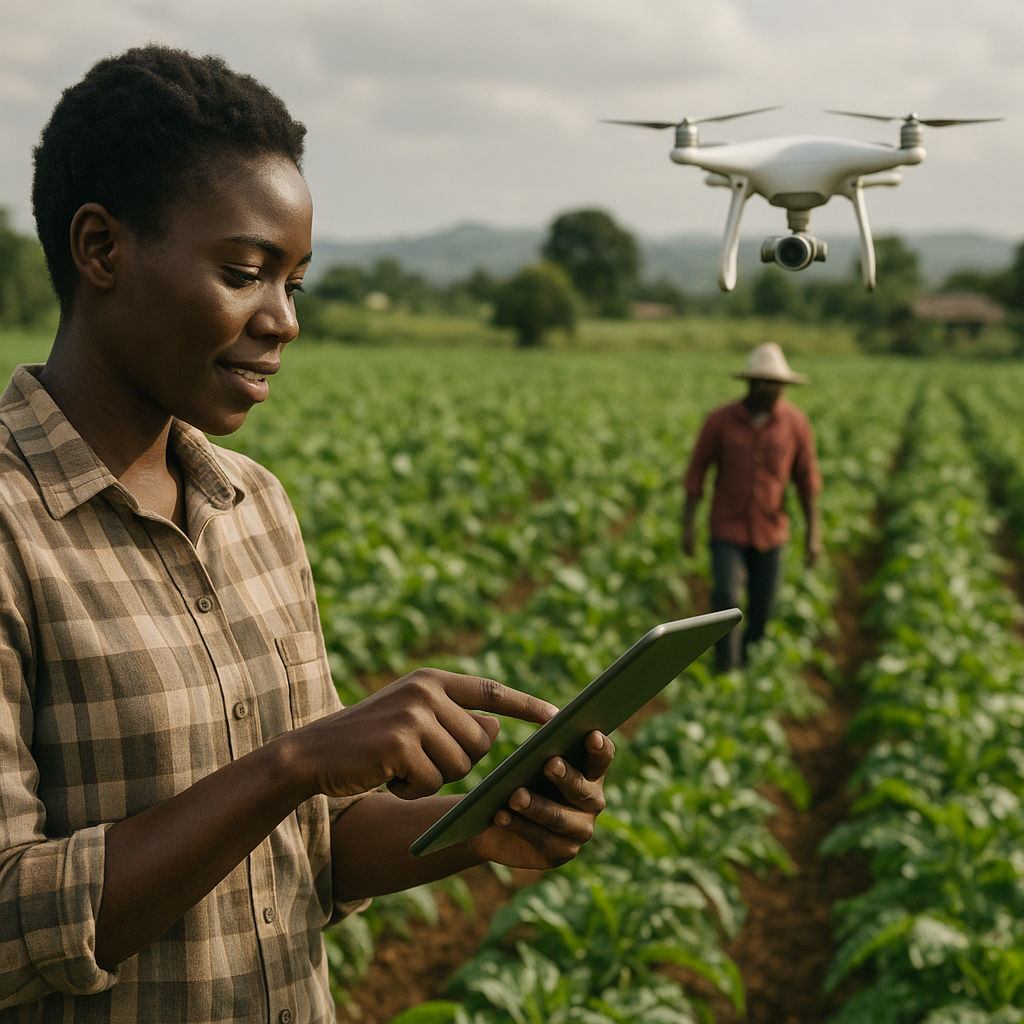
Drones represent another class of autonomous devices transforming crop scouting and monitoring. Equipped with multispectral cameras, they capture high-resolution images that reveal pest infestations or disease outbreaks long before symptoms are visible to the naked eye. Farmers can then apply targeted treatments, preserving beneficial insects and reducing environmental impact.
Data Management and Analytics
Collecting vast amounts of information is valuable only when combined with powerful analytical tools. Big data platforms aggregate sensor readings, machinery logs, and historical yield maps to generate actionable insights. Machine learning algorithms predict seasonal trends, forecast pest pressures, and optimize planting dates based on weather projections and soil conditions.
Key Data Strategies
- Cloud-based storage for secure, scalable access
- Real-time dashboards displaying field performance
- AI-driven recommendations for variable-rate applications
- Integration with farm management software for streamlined operations
By leveraging predictive models and digital twinning, farmers simulate different planting scenarios and input combinations. This approach allows them to anticipate outcomes before making costly decisions. Continuous feedback from field sensors refines the models over time, further enhancing predictive accuracy.
Sustainable Practices Enhanced by Technology
Smart farming plays a pivotal role in promoting environmentally conscious methods. Precision irrigation systems, such as drip and micro-sprinkler networks, deliver water directly to the root zone. Coupled with soil moisture monitoring, these systems can reduce water consumption by up to 60 percent while maintaining crop health.
- Cover cropping guided by satellite imagery to prevent soil erosion
- Automated nutrient delivery systems minimize fertilizer leaching
- Remote sensing to detect invasive weeds and apply chemicals only where needed
- Solar-powered pumps and sensors lower energy costs
In livestock operations, wearable sensors track animal health and behavior. Early detection of illness enables targeted treatment, improving overall herd performance and reducing antibiotic usage. Waste management technologies convert manure into biogas, generating renewable energy and closing the nutrient loop on the farm.