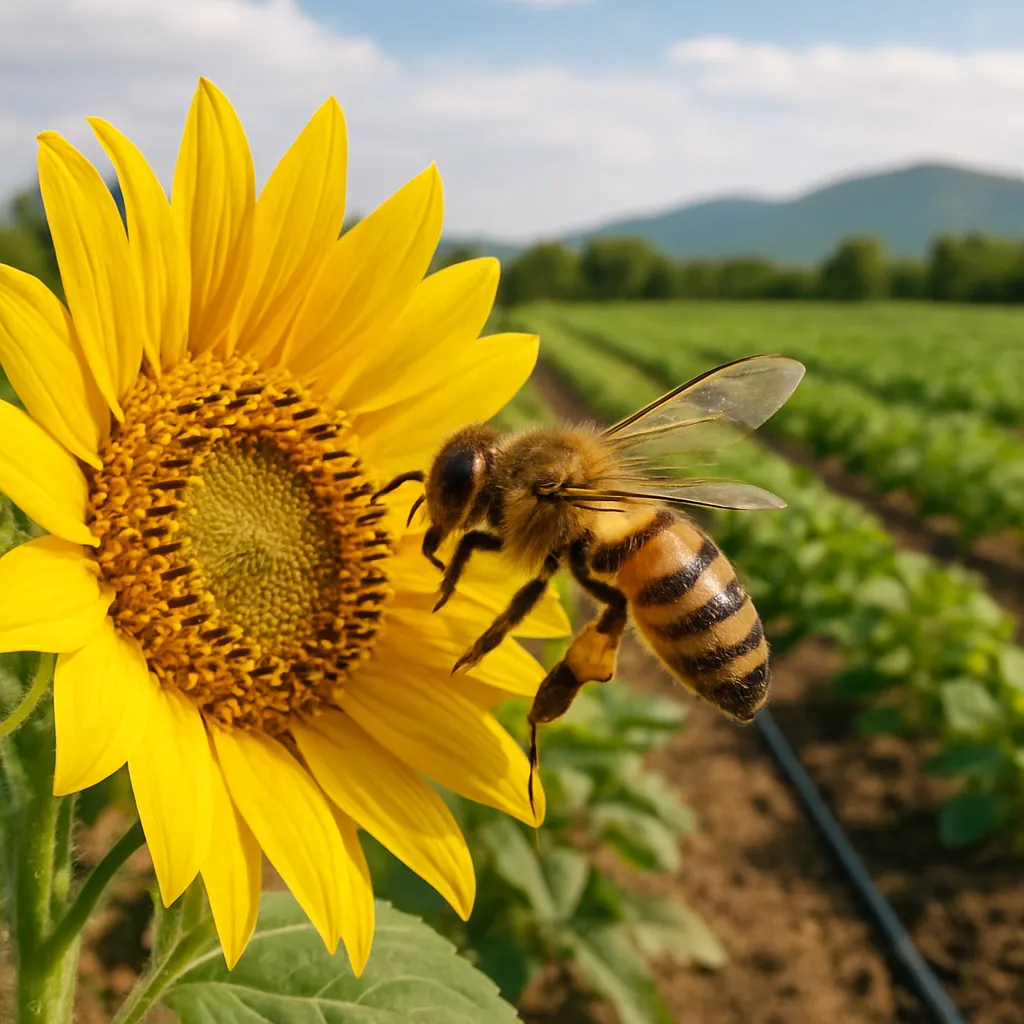
Effective food production relies heavily on the intricate interactions between plants and their animal partners. Among these, pollinators play an indispensable role in ensuring global food security and maintaining healthy ecosystems. By transferring pollen from one flower to another, these tiny workers support the fertilization process that leads to fruit and seed formation. Recognizing their value is a key step toward fostering more sustainable and resilient farming systems.
Importance of Pollinators to Agricultural Ecosystems
Nearly 75% of the world’s leading food crops depend to some extent on animal or insect pollination. This translates to increased crop yield, improved quality of fruits and seeds, and enhanced nutritional diversity. Without adequate pollinator activity, farms would face lower productivity, threatening both local livelihoods and global food supplies. Crop varieties such as apples, almonds, blueberries, and many vegetables demonstrate dramatic increases in size, shape uniformity, and sugar content when visited by bees, butterflies, or other pollinating species.
Beyond direct economic gains, pollinators contribute to biodiversity by supporting wild flora and preserving intricate food webs. Wildflowers, shrubs, and trees that rely on pollinators provide habitat and nourishment for birds, mammals, and beneficial insects. This network of interactions forms the backbone of ecosystem services, including soil fertility, water filtration, and pest regulation.
Strategies for Protecting Pollinator Populations
Creating Pollinator-Friendly Habitats
Establishing safe havens on and around farmland encourages pollinator visits and breeding. Farmers and land managers can implement measures such as:
- Planting native flowering strips and wildflower meadows to provide continuous nectar throughout the growing season.
- Maintaining hedgerows, woodlots, and buffer zones to offer nesting sites for bees and shelter for butterflies.
- Leaving patches of bare, undisturbed ground for ground-nesting species and constructing artificial bee houses.
These practices not only support wild pollinator populations but also enhance the overall habitat quality of agricultural landscapes.
Reducing Pesticide Impact
Excessive or improperly timed pesticide applications can decimate beneficial insect communities. Adopting an integrated pest management approach ensures that chemical tools are used sparingly and only when biological or cultural controls prove insufficient. Key tips include:
- Monitoring pest and beneficial insect populations with regular field scouting.
- Choosing targeted, low-toxicity products when intervention is necessary.
- Applying sprays during evening hours when pollinator activity is minimal.
- Encouraging natural predators such as ladybirds and lacewings to keep pest numbers in check.
This balanced strategy minimizes pesticides residues in the environment and safeguards pollinator health.
Community Engagement and Policy Measures
Local cooperatives, extension services, and garden clubs can promote pollinator-friendly policies. Educational workshops and demonstration plots raise awareness of best management practices. Farmers can enlist in certification programs or participate in incentive schemes that reward conservation efforts. On a broader scale, governments and NGOs may:
- Provide subsidies for planting cover crops and flowering margins.
- Regulate harmful agrochemicals and enforce buffer zones around water sources.
- Support research into pollinator declines and fund habitat restoration projects.
Sustainable Farming Practices and Pollination-Friendly Techniques
Integrating pollinator considerations into daily farm operations yields long-term benefits. Techniques that enhance both productivity and environmental health include:
- Crop rotation with flowering cover crops such as clover or phacelia to sustain nectar sources during off-seasons.
- Intercropping fruit or vegetable rows with herbs and flowers, boosting diversity and reducing weed pressure.
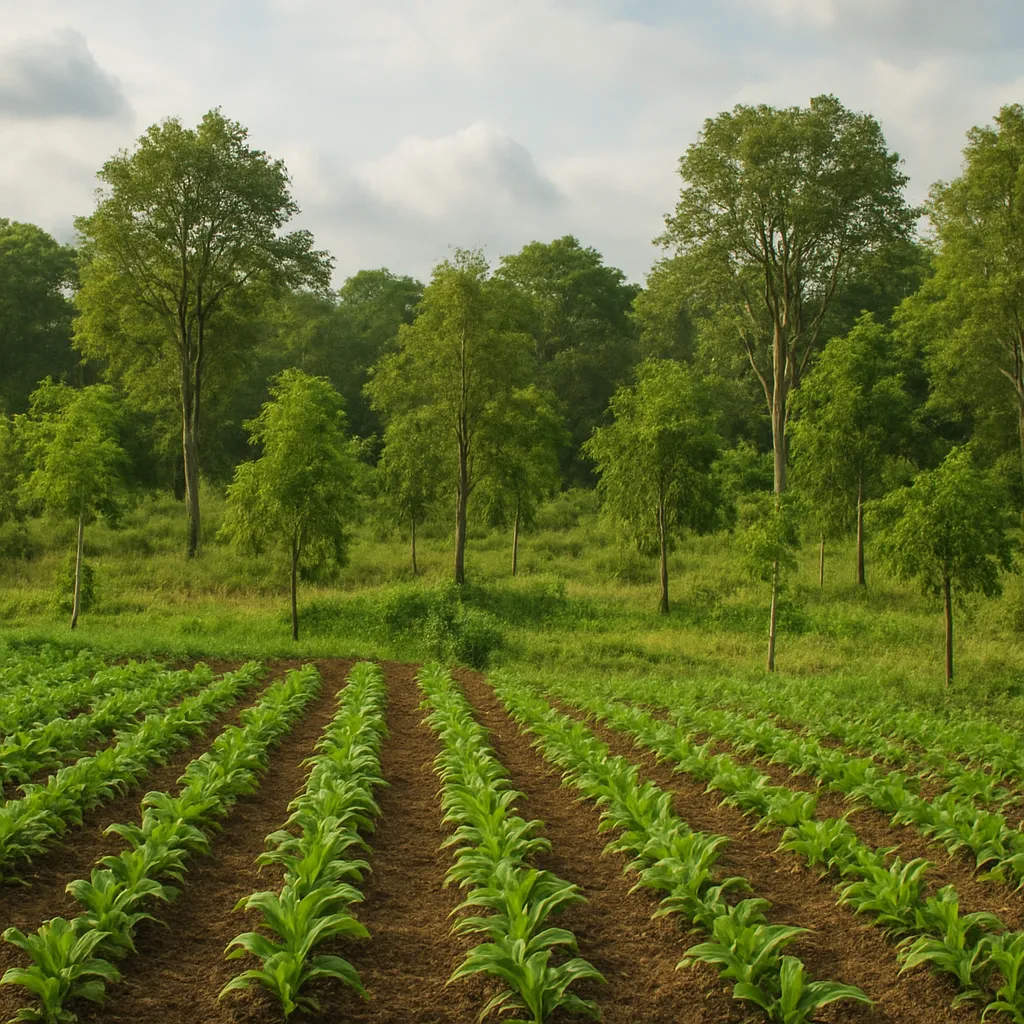
- Agroforestry systems that combine trees and shrubs with annual crops, improving microclimates and providing year-round forage.
These methods align with principles of agroforestry and regenerative agriculture, emphasizing soil conservation, water retention, and carbon sequestration.
Beekeeping Integration
On-farm apiaries offer direct benefits by maintaining managed honeybee colonies. Strategic placement of hives ensures optimal pollination across orchards, berry patches, and field crops. Pairing beekeeping with habitat improvements for wild bees creates a synergy that boosts overall pollination efficiency.
Mechanical and Alternative Pollination
In regions where natural pollinators are scarce, growers may resort to techniques such as:
- Mechanical pollen blowers or vibrators for greenhouse crops like tomatoes.
- Hand pollination in high-value orchards during peak bloom periods.
- Introducing managed bumblebee or mason bee populations to supplement honeybee services.
While labor-intensive, these methods maintain production levels in challenging climates or isolated areas.
Organic Matter and Soil Health
Healthy soils underpin vigorous plant growth and abundant floral displays. Incorporating compost, green manures, and minimal-till practices fosters robust root systems and encourages beneficial microbial communities. Improved soil structure enhances water infiltration and reduces erosion, ensuring consistent flowering and an uninterrupted organic nutrient supply for pollinators.
Practical Tips for Farmers and Gardeners
- Maintain a continuous sequence of blooms from early spring to late autumn.
- Provide clean water sources such as shallow dishes with pebbles for insect perching.
- Reduce mowings and cultivate row edges to preserve wildflower patches.
- Implement windbreaks or shade trees to protect pollinators from extreme weather.
- Collaborate with neighbors to scale up habitat corridors across the rural landscape.
By embracing these guidelines, producers can secure the essential services of pollinators and build more resilient, productive, and environmentally sound operations. Integrating pollinator-friendly practices represents a practical investment in both present yields and future ecosystem stability.