The Future of Precision Agriculture explores the transformative potential of modern tools, strategies, and innovations that are reshaping how we cultivate crops and manage resources. By integrating advanced technology and data-driven decision-making, farmers can achieve higher efficiency, improved yield, and enhanced environmental stewardship. This article delves into cutting-edge developments, practical tips, and emerging trends in precision agriculture, offering valuable insights for both large-scale operations and smallholder farms.
Innovations in Precision Technology
Soil Monitoring and Sensor Networks
Accurate knowledge of soil conditions is essential for optimizing crop performance. Modern farms deploy wireless sensors to continuously track moisture levels, nutrient concentrations, pH, and temperature. These sensors communicate via low-power wide-area networks (LPWAN) or cellular connections, feeding real-time data into a central platform.
Key benefits include:
- Targeted irrigation scheduling that conserves water and reduces costs
- Variable-rate fertilizer application to avoid nutrient leaching
- Early detection of compaction or salinity issues
By leveraging this continuous stream of data, growers can address soil variability within fields and apply inputs where they are most needed, rather than using a one-size-fits-all approach.
Unmanned Aerial Vehicles and Drone Imaging
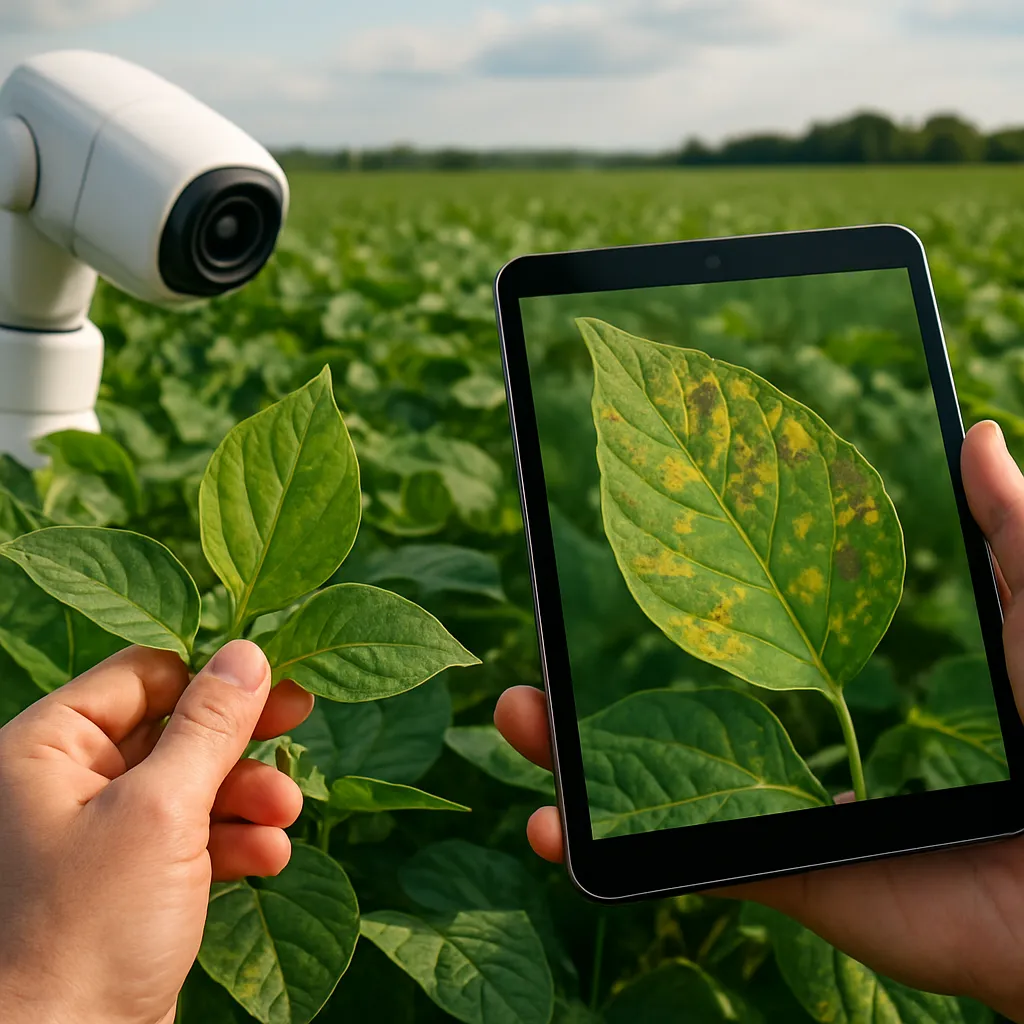
Drones equipped with multispectral and thermal cameras provide an efficient way to monitor crop health at scale. Through drones, aerial imagery is captured and processed using analytics algorithms to spot stress, disease outbreaks, or nutrient deficiencies before they become visible from the ground.
- NDVI (Normalized Difference Vegetation Index) maps highlight areas of low vigor
- Thermal imaging reveals irrigation inefficiencies or clogged emitters
- High-resolution cameras enable precise scouting without extensive labor
Regular drone flights allow farmers to establish baseline conditions, compare seasonal trends, and assess the effectiveness of interventions—driving timely adjustments and boosting overall crop performance.
Data-Driven Farm Management Approaches
Integrating Internet of Things (IoT) Platforms
The convergence of sensors, machinery, and analytics platforms is at the heart of the data-driven farm. By connecting tractors, harvesters, weather stations, and storage facilities via IoT, operators can centralize information and automate many decisions.
Examples of IoT applications in agriculture:
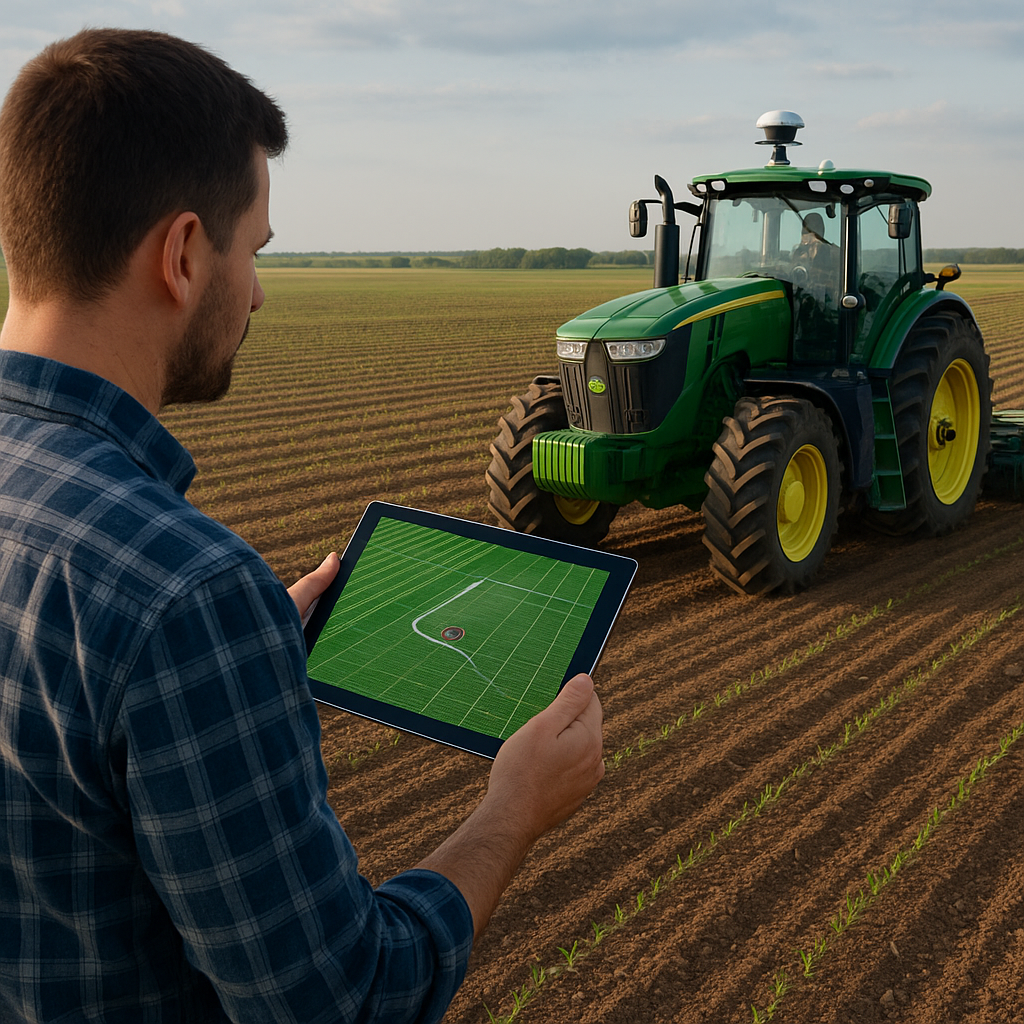
- Auto-steering systems for tractors that maintain optimal path overlap
- Automated greenhouse climate control, adjusting temperature and ventilation
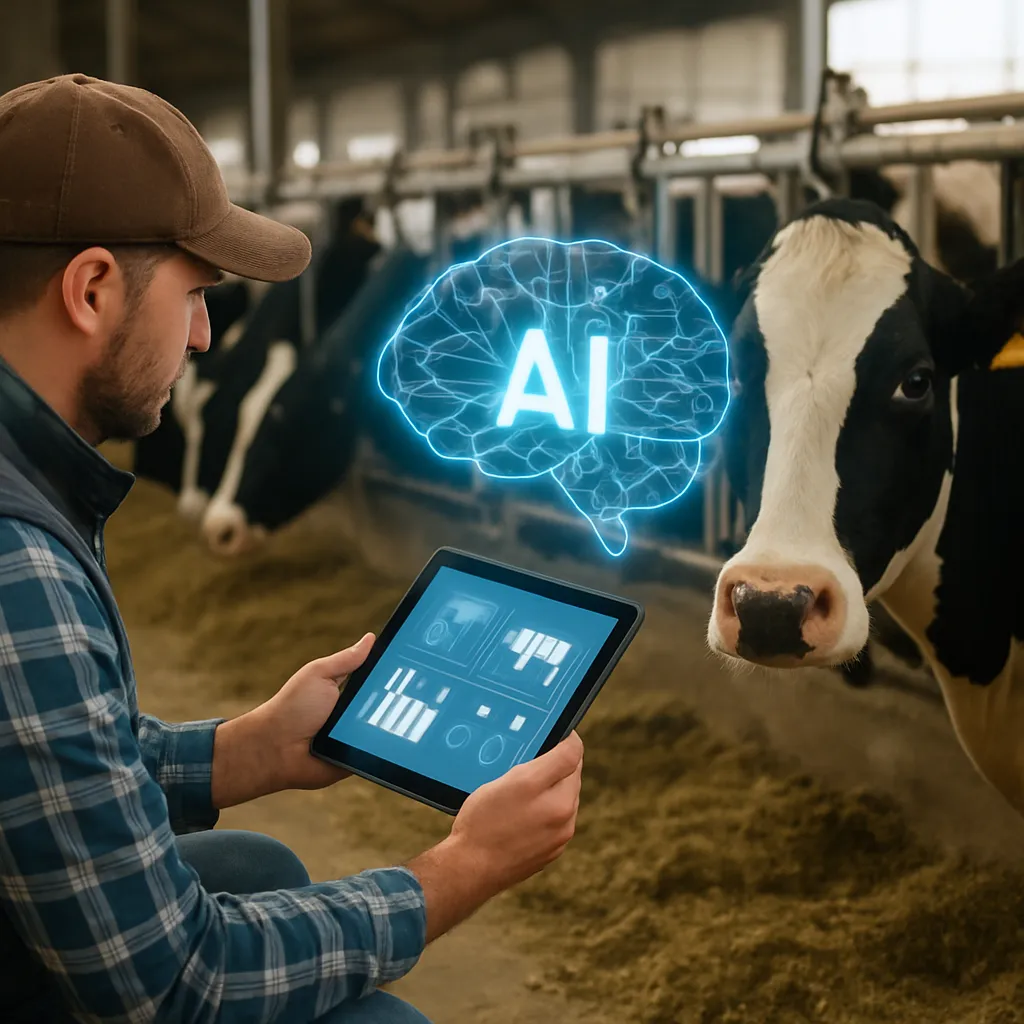
- Remote livestock monitoring to track health indicators and grazing patterns
Such automation not only enhances precision but also reduces labor requirements, minimizes human error, and ensures consistency in operations.
Advanced Machine Learning and AI
Machine learning models can analyze historical yield data, weather forecasts, and market trends to generate actionable insights. By applying analytics frameworks, farmers can predict pest outbreaks, forecast optimal harvest windows, and even estimate commodity prices.
Key AI-enabled functions include:
- Predictive maintenance for farm equipment, avoiding costly downtime
- Optimizing planting density based on field variability and expected weather
- Real-time decision support via mobile apps or desktop dashboards
When integrated with autonomous vehicles and robotics, these systems can execute tasks precisely—such as spot-spraying herbicides only where weeds are present, significantly cutting chemical usage.
Future Trends and Practical Tips
As precision agriculture evolves, several emerging trends are poised to further revolutionize farming practices. Here are some essential tips to stay ahead of the curve:
- Invest in scalable sensor platforms that can expand as your operation grows. Prioritize compatibility and open standards to avoid vendor lock-in.
- Embrace cloud-based analytics for centralized data processing and storage. This enables seamless collaboration among agronomists, technicians, and field managers.
- Adopt robotics for repetitive tasks like seeding, weeding, and harvesting. Automation boosts consistency and frees up labor for more complex activities.
- Utilize predictive weather services tailored to microclimates on your property. Localized forecasts improve planning for irrigation, nutrient application, and harvest timings.
- Practice integrated pest management by combining biological controls, targeted spraying, and crop rotation. Reducing chemical dependency promotes long-term soil health and sustainability.
- Monitor energy use across irrigation pumps, processing equipment, and facilities. Energy-efficient practices lower operating costs and carbon footprint.
- Train staff in digital literacy so your team can interpret data outputs, manage connected devices, and respond proactively to alerts.
- Leverage satellite data for large-scale monitoring. High-resolution imagery complements drone surveys, especially in remote or difficult-to-access areas.
- Engage in precision water management by pairing soil moisture sensors with automated valves. This reduces overwatering and prevents runoff pollution.
- Stay informed about policy incentives and grants aimed at promoting sustainability and resource conservation in agriculture.
By integrating these practices, farm managers can harness automation and precision to reduce input costs, enhance environmental outcomes, and remain competitive. The synergy of advanced tools, robust data, and informed decision-making defines the next era of agricultural productivity.