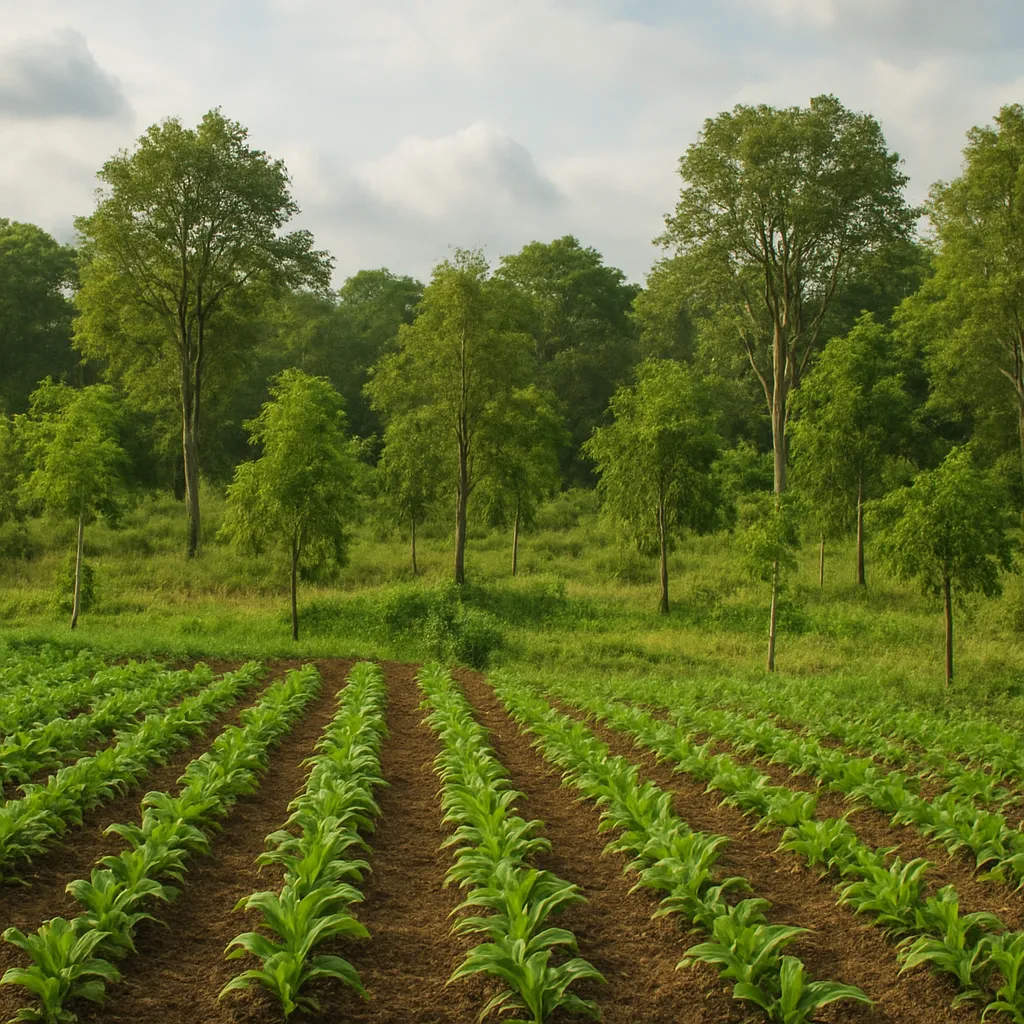
As developing nations strive to secure food supplies and bolster rural economies, the landscape of agriculture is undergoing a profound transformation. A combination of innovation, access to affordable technology, and targeted capacity building is unlocking new opportunities for farmers. By integrating modern tools with time-honored practices, stakeholders can enhance productivity, safeguard soil health, and build climate resilience in the face of unpredictable weather patterns. The following sections explore key trends and practical tips to pave the way toward a more sustainable and prosperous agricultural future.
Innovation and Technology Adoption
Advances in digital tools and precision farming have become cornerstones of the agricultural revolution in many low- and middle-income countries. Smartphone applications, satellite imagery, and low-cost sensors help farmers make data-driven decisions, minimize resource waste, and optimize yields. Embracing digitalization not only boosts efficiency but also connects growers to markets, financial services, and expert advice.
Precision Agriculture Tools
Farmers can improve field performance and reduce input costs by leveraging:
- GPS-guided tractors and drones for targeted pesticide and fertilizer application.
- Soil moisture sensors that trigger automated irrigation to conserve water.
- Remote-sensing platforms that monitor crop health and detect pest outbreaks early.
Mobile and Digital Solutions
With widespread smartphone penetration, apps offer customized weather forecasts, disease diagnostics, and commodity price alerts. Key features to look for include localized advisories, peer-to-peer knowledge sharing, and integration with digital payment services. By tapping into these services, smallholder farmers can make informed choices that lift household incomes.
Soil and Water Management Strategies
Maintaining fertile land and securing reliable water sources are essential for long-term sustainable production. Implementing simple yet effective measures can dramatically improve crop performance and resilience during dry spells.
- Conservation Tillage: Reduce soil disturbance to preserve moisture and organic matter.
- Cover Cropping: Plant legumes or grasses between seasons to fix nitrogen and curb erosion.
- Mulching: Apply crop residues or straw around plants to regulate soil temperature and limit weed growth.
- Rainwater Harvesting: Install tanks or contour trenches to capture runoff for supplemental irrigation.
- Drip Irrigation: Deliver water directly to plant roots, reducing evaporation losses by up to 50%.
Empowering Smallholders Through Capacity Building
Small-scale producers account for a large share of agricultural output in developing countries but often face barriers such as limited financing, poor infrastructure, and lack of market access. Strengthening their skills and support networks is critical for inclusive growth.
- Training Programs: Offer hands-on workshops in pest management, post-harvest handling, and value addition.
- Cooperative Models: Encourage group marketing and bulk purchasing of inputs to reduce costs and increase bargaining power.
- Microfinance Access: Provide small loans or savings schemes tailored to seasonal planting cycles.
- Extension Services: Deploy field agents equipped with mobile devices to deliver real-time guidance.
- Market Linkages: Create digital marketplaces and aggregation centers that connect farmers directly with buyers.
Climate-Smart Practices and Crop Diversification
Adapting to changing weather patterns requires flexible cropping systems that can withstand heat, drought, or flooding. Diversification enhances farm-level stability by spreading risk across several crops or integrating animals and trees into the landscape.
- Select drought-tolerant and heat-resistant varieties to secure yields under water stress.
- Practice intercropping of cereals with legumes to improve soil fertility and break pest cycles.
- Integrate agroforestry by planting trees alongside crops to provide shade, windbreaks, and additional income from timber or fruit.
- Rotate crops annually to reduce disease buildup and maintain balanced nutrient cycling.
- Adopt climate-smart insurance schemes that cover extreme weather events and protect investments.
Policy Frameworks and Infrastructure Development
While grassroots initiatives drive innovation on farms, supportive policies and robust infrastructure lay the groundwork for scalable impact. Governments, NGOs, and the private sector must align efforts to address systemic challenges.
- Invest in rural roads, storage facilities, and processing centers to minimize post-harvest losses.
- Implement subsidy reforms that incentivize eco-friendly inputs and discourage harmful chemicals.
- Enhance land tenure security to encourage long-term investments in soil and water conservation.
- Foster public–private partnerships to expand broadband connectivity and digital literacy.
- Set up regional research hubs to trial resilient crop varieties and disseminate best practices.