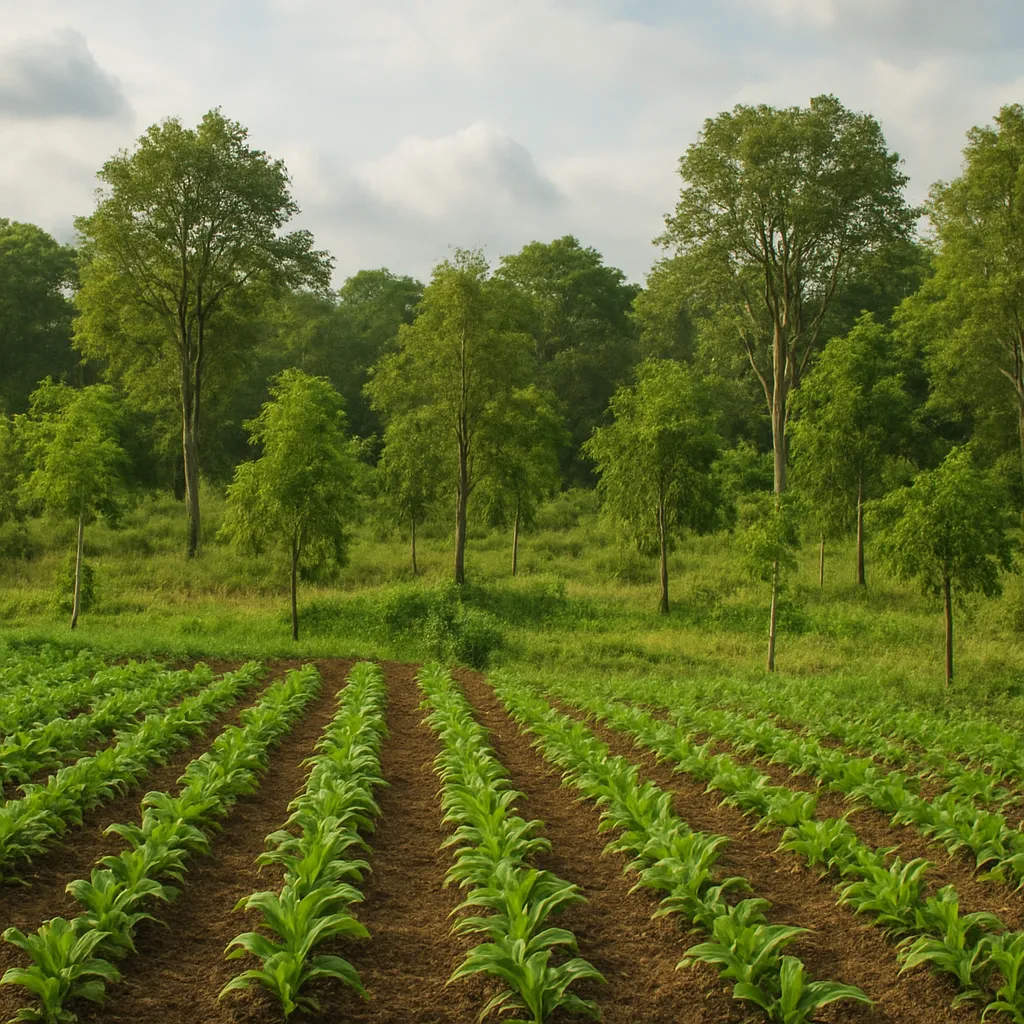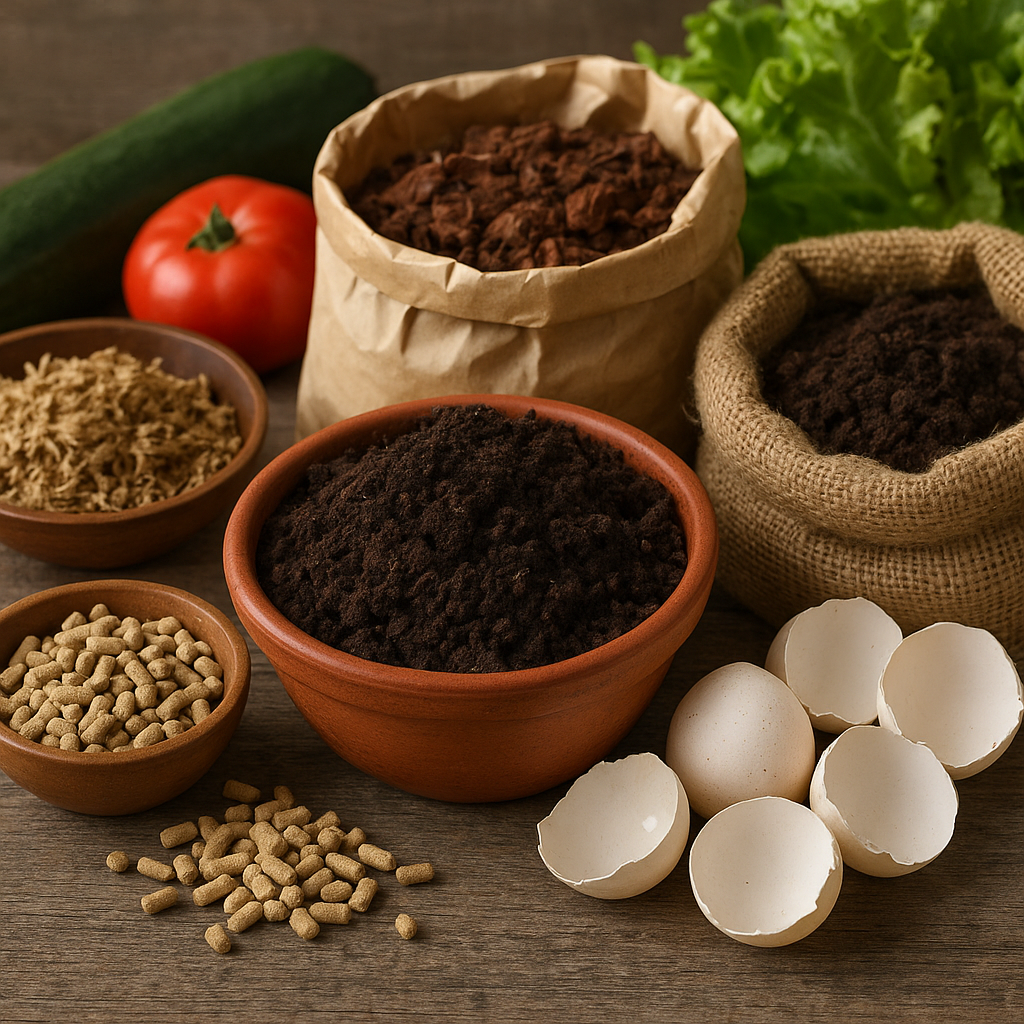
Vegetable gardening thrives on the harmonious balance between soil fertility and plant needs. Embracing natural fertilizers not only enhances yield but also promotes long-term soil health, reduces chemical dependency, and fosters a more sustainable ecosystem. This guide explores the top organic amendments, their benefits, and practical tips to help you grow lush, nutritious produce.
Understanding the Role of Natural Fertilizers
Before diving into specific products, it’s crucial to grasp how organic matter and microbial activity work together to nourish plants. Unlike synthetic options, natural fertilizers rely on decomposed plant and animal residues that release nutrients slowly over time. This gradual process ensures a steady supply of nitrogen, phosphorus, and potassium—the primary macronutrients that drive vegetative growth, flowering, and fruit development.
The Science Behind Soil Enrichment
- Microbial Activity: Beneficial bacteria and fungi break down residues, releasing minerals in plant-available forms.
- Organic Carbon: Serves as an energy source for soil life, improving structure and moisture retention.
- pH Buffering: Many natural amendments help stabilize pH, creating a more balanced root environment.
Key Advantages Over Synthetic Fertilizers
- Reduced Leaching: Slow-release nature minimizes nutrient runoff and groundwater contamination.
- Improved Structure: Organic particles bind soil aggregates, preventing crusting and compaction.
- Enhanced Biodiversity: A thriving soil food web translates into healthier, more resilient plants.
Types of Natural Fertilizers and Their Benefits
Selecting the right amendment depends on crop needs, existing soil conditions, and resource availability. Below are the most popular options for vegetable gardeners.
1. Compost
Arguably the foundation of all organic gardens, well-matured compost is rich in humus, teeming with microorganisms, and offers a balanced nutrient profile.
- Benefits: Improves moisture retention, aeration, and nutrient-holding capacity.
- Application: Incorporate 2–4 inches into topsoil before planting or use as mulch around transplants.
2. Aged Manure
Sources like cow, horse, or chicken manure—once fully composted—provide an excellent boost of nitrogen and organic matter.
- Benefits: Stimulates vigorous leafy growth, ideal for leafy greens.
- Application: Apply 1–2 inches and mix into soil 2–4 weeks prior to sowing seeds.
3. Green Manure and Cover Crops
Planting legumes (such as clover or vetch) and incorporating them into the soil adds nitrogen through biological fixation.
- Benefits: Enhances structure, prevents erosion, and adds organic carbon.
- Application: Mow or till under at flowering stage, 2–3 weeks before vegetable planting.
4. Bone Meal and Rock Phosphate
High in phosphorus, these mineral-based amendments support root development and flowering.
- Benefits: Promotes early bud set and robust root systems.
- Application: Mix into planting holes at a rate of 1–2 tablespoons per plant.
5. Fish Emulsion and Seaweed Extract
Liquid fertilizers derived from marine sources supply quick micronutrient uptake and trace elements.
- Benefits: Boosts vigor, improves pest resistance, and enhances fruit quality.
- Application: Dilute according to label instructions and apply as a foliar spray every 2–4 weeks.
Application Techniques for Optimal Results
Even the best natural fertilizers can fall short without proper application. Understanding timing, rates, and methods ensures nutrients are available when plants need them most.
Soil Testing and Nutrient Balancing
- Conduct a soil test every 2–3 years to determine existing nutrient levels and pH.
- Adjust applications based on test results, avoiding over- or under-feeding.
Timing Matters
- Pre-Planting: Incorporate bulk organic amendments (compost, manure) 2–4 weeks before sowing.
- Growing Season: Side-dress with faster-acting options (fish emulsion, compost tea) to support peak demand.
- Post-Harvest: Consider a cover crop or organic mulch to protect and rejuvenate soil.
Application Methods
- Broadcasting: Spread granular materials evenly over the surface before tilling.
- Banding: Place concentrated fertilizer strips alongside seed rows for efficient uptake.
- Foliar Feeding: Spray dilute liquid feeds directly on leaves for quick absorption of micronutrients.
Sustainable Practices and Precautions
Adopting organic fertilizers is only one piece of a sustainable gardening puzzle. Incorporating crop rotation, mulching, and integrated pest management amplifies benefits and keeps ecosystems in balance.
Crop Rotation and Diversity
- Alternate plant families to break pest and disease cycles.
- Include deep-rooted and shallow-rooted species to optimize nutrient use.
Mulching and Moisture Conservation
- Apply organic mulches (straw, wood chips) to maintain soil temperature and reduce evaporation.
- Mulches also suppress weeds, lowering competition for nutrients.
Preventing Nutrient Imbalances
- Avoid excessive application of any single amendment to maintain balance among major and minor elements.
- Monitor plant health regularly and adjust feeding strategies as needed.